


when to visit4 min read
Best Time to Visit Bali: Month-by-Month Weather, Crowds and Prices
Dry season, wet season and the months that beat both on value
By Priyanshu ·

Best Time to Visit Bali: Month-by-Month Weather, Crowds and Prices
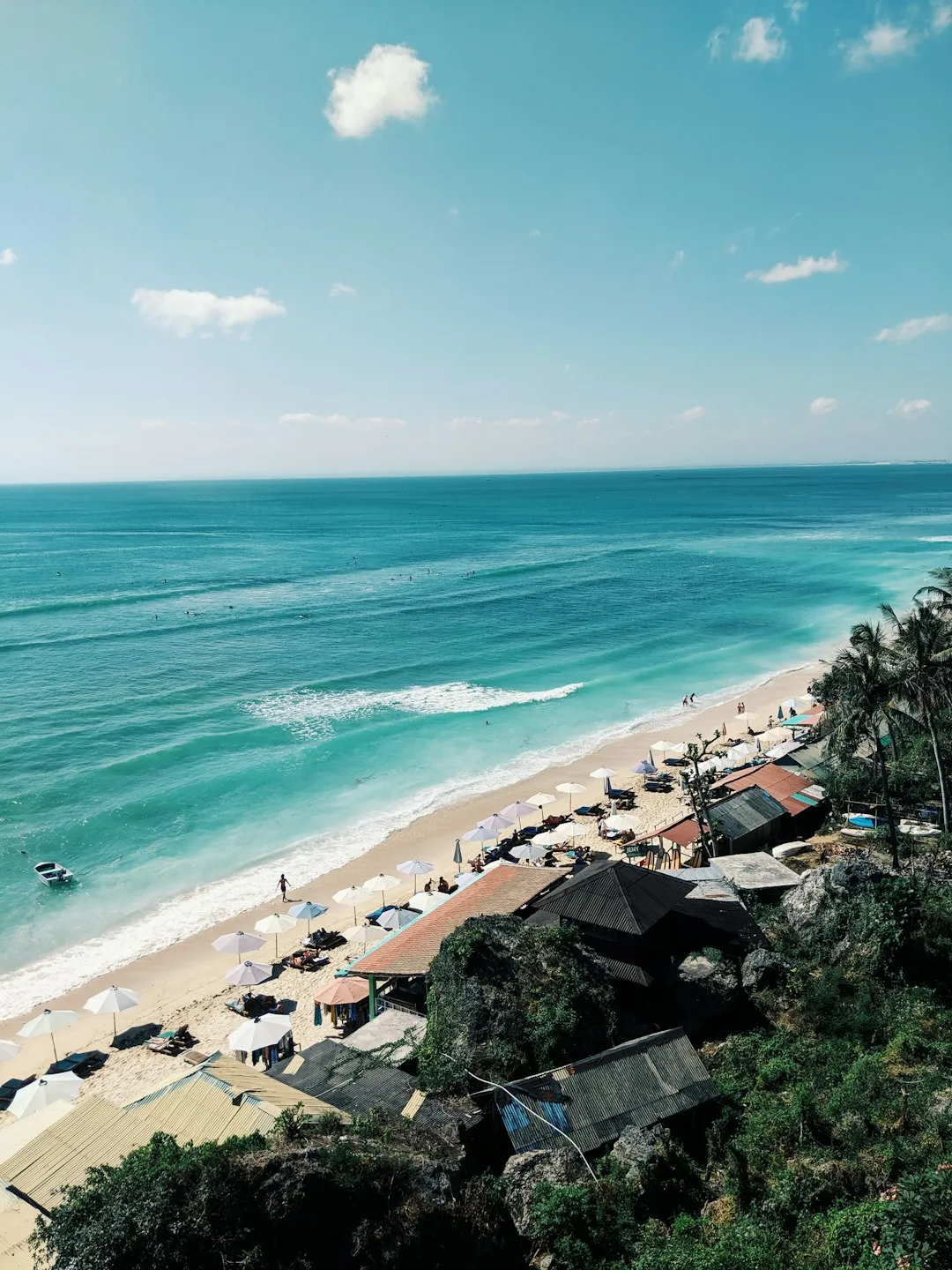
Bali is a year-round destination in the way Kerala is: always warm, never truly closed, but with two very different personalities depending on rain. Get the season right and you get empty waterfalls, glassy seas for your Nusa Penida crossing and golden sunsets every evening. Get it wrong and you may spend your afternoons watching a downpour from a cafe. Here is how to choose.
The short answer
The best overall months to visit Bali are May, June and September. You get dry-season weather without the July-August crowd surge and without December prices. For honeymooners chasing quiet luxury, September is arguably the single best month on the calendar.
The cheapest good-weather window is late April and early October, on the shoulders of the dry season. The cheapest months overall are February and March, if you can live with afternoon rain.
Bali's two seasons
Dry season, April to October. Sunshine most of the day, humidity relatively lower, calm seas on the south and east coasts. This is the season for Mount Batur sunrise treks, boat trips, surfing lessons and long beach days.
Wet season, November to March. It does not rain all day; the pattern is a hot bright morning, clouds building after lunch, then a loud one-to-two-hour downpour and a dramatic sky by evening. Waterfalls are at full power, the rice terraces turn a deep green, and hotel rates drop 20 to 40 percent. The trade-offs: rougher seas, occasional cancelled boat crossings, more mosquitoes, and mould-level humidity.
Temperatures barely move all year: 26 to 32 degrees in the lowlands, a pleasant 20 to 25 in the Ubud hills, and genuinely chilly before dawn on Mount Batur, carry a jacket.
Month by month
January. Wet, humid and quiet once the New Year crowd leaves in the first week. Big hotel discounts. Fine for a spa-and-cafe holiday, wrong for boat trips.
February. The wettest month in most years, and the cheapest. Rice terraces at their greenest. Book flexible plans.
March. Rain begins easing. Watch the calendar for Nyepi, the Balinese Day of Silence (the date follows the Saka calendar, usually March). For 24 hours the entire island stops: no flights, no traffic, no lights, everyone including tourists stays inside their hotel. Arrive around it deliberately or avoid it; do not discover it by accident at the airport.
April. The switch flips to dry. Prices still shoulder-level. An underrated month.
May. Dry, warm, pre-holiday calm. One of the best months for first-timers, families and couples alike.
June. Peak-quality weather, moderate crowds, Indian school holidays make flights pricier from Delhi and Mumbai, so book early.
July and August. The absolute peak. Perfect weather, biggest crowds of the year, Europeans on summer break, top restaurants and drivers fully booked, hotel rates at maximum. Everything is glorious and everything needs a reservation.
September. Peak weather quality with the crowds visibly thinning. Prices ease. The best all-round month.
October. Warm with the first pre-monsoon buildup late in the month. Early October is still excellent; a good bargain window.
November. Wet season begins gently. Fewer tourists, good rates, mornings usually still usable.
December. Two personalities. Early December is quiet and reasonably priced. From around the 20th, Bali becomes one of the most expensive places in Asia: peak airfares from India, villa minimum-stays, New Year surcharges. If Bali for New Year is the dream, book flights and stay three to four months ahead.
Best time by traveller type
Honeymoon: May, June or September for weather plus privacy. February gets you a luxury villa at half price if you do not mind rain with your romance.
Family with school-going kids: June, but book flights 90 days out. Diwali break in late October or early November is workable, with mostly decent mornings.
Budget trip: February, March or early November. Rates bottom out and Bali's indoor pleasures, food, spas, yoga, cooking classes, do not care about rain.
Surfing: dry season for the west coast breaks around Canggu and Uluwatu; wet season actually favours the east coast around Sanur and Nusa Dua.
Trekking and waterfalls: May to September for Mount Batur. Waterfalls are safe and spectacular through the dry season; in the wet they are more powerful but trails get slippery and some close.
Nusa Penida and island boat trips: stick to April through October. Wet-season swells cancel crossings and turn the survivable ones unpleasant.
What about Indian holiday calendars?
Fares from India, not Bali's weather, are often the real budget decider. Fares spike for Christmas-New Year, the May-June summer break, Diwali week and long weekends around Holi and Independence Day. If your dates float, flying midweek in early May, mid-June after schools reopen, or any time in September routinely saves Rs 5,000 to 10,000 per ticket on the same airlines.
The one-line verdict
If you want the safest possible bet for a first Bali trip from India, fly in the first two weeks of September. Dry skies, warm seas, thinner crowds, fair prices, and the island at its most photogenic.
Related Bali Travel Guides
Planning a trip to Bali? Check out our tested guides for real Indian traveler budgets, day-by-day itineraries, and insider tips:
- Complete Planning Guide: Bali Trip from India: The Complete Planning Guide
- Visa & Entry Requirements: Bali Visa for Indians: Visa on Arrival & e-VOA Explained
- Trip Budget & Costs: Bali Trip Cost from India: Real Budget Breakdown for 2026
- 7-Day Itinerary: Bali Itinerary for 7 Days: The First-Timer's Perfect Week


Questions people ask
Which month is the absolute best time to visit Bali?
May, June, and September are widely regarded as the best months to visit Bali. They sit in the dry season with sunny skies, low humidity, and pleasant evening breezes, but avoid the peak European and Australian summer crowds and surge pricing seen in July and August.
Is it worth visiting Bali during the wet monsoon season (November to March)?
Yes, if you are looking for lower hotel rates, lush green landscapes, and fewer tourists. Unlike northern India's continuous monsoon, Bali's wet season typically brings heavy downpours lasting 1 to 2 hours in the afternoon or evening, leaving the rest of the day clear. Avoid December end to early January if you want budget travel, as festive holiday pricing applies.
What are the cheapest months to travel to Bali from India?
February, March (excluding Nyepi week), October, and November offer the lowest prices on return flights from Indian metros and up to 40% discounts on private pool villas and luxury resorts. These months offer great value for travellers comfortable with occasional rain showers.
What is Nyepi (Bali's Day of Silence) and should tourists visit during this time?
Nyepi is the Balinese New Year (usually falling in March), during which the entire island shuts down for 24 hours. The airport closes, no vehicles are allowed on roads, beaches are off-limits, and lights must remain dimmed. While you must remain inside your hotel or resort, it is a uniquely serene cultural experience with crystal-clear night skies and Ogoh-Ogoh demon parades the evening before.
When is the best time for scuba diving, snorkelling, and surfing in Bali?
For surfing on Bali's western coast (Uluwatu, Padang Padang, Canggu, Kuta), the dry season from May to September delivers consistent offshore winds and prime swell. For snorkelling and diving around Nusa Penida, Menjangan Island, and Amed, May to October offers maximum underwater visibility, with July to October being the prime season to spot giant Mola Mola sunfish and manta rays.
How does Bali weather differ between Ubud and the coastal beach towns?
Ubud and the central highlands (Bedugul, Kintamani) sit at higher elevation and receive significantly more rainfall and cloud cover than coastal areas like Seminyak, Bukit Peninsula, and Sanur. Ubud is typically 3 to 5 degrees Celsius cooler, especially in the evenings, so packing a light jacket or cardigan is advisable.
Does it rain all day during Bali's rainy season?
No, rainy days rarely see non-stop downpours. Tropical showers are typically intense but brief, often occurring late in the afternoon or at night. Most mornings remain bright and suitable for sightseeing and outdoor tours.
When is the best time to visit Bali for a honeymoon?
May, June, and September are ideal for honeymoons in Bali, combining optimal dry-season weather, lower resort occupancy rates, and romantic clifftop sunsets in Uluwatu without peak season crowds.
Written by
Priyanshu
All guides by Priyanshu →02More from Bali
- 01Bali 4 Nights 5 Days Package Price for a Couple: Is 5 Days Enough?11 min
- 02Bali in December: Christmas and New Year Trip Costs for Indians9 min
- 03Bali Package from Delhi with Flights: Rs 1.6 to 2.7 Lakh for Two11 min
- 04Bali Trip Cost for a Family of 4 from India (2026 Prices)11 min
- 05Bali vs Thailand for Indians: Which Is Cheaper and Better in 2026?10 min
- 06Mauritius vs Bali for Honeymoon: Which Is Cheaper for Indians?9 min
03Popular packages
All 6 →

Planning a Bali trip?
Tell us where and when - a specialist replies with a plan and a price, usually within two hours.