
 ₹75,540
5 Nights Singapore city escape
5 nights · September
Futuristic attractions and urban charm.
₹75,540₹80,592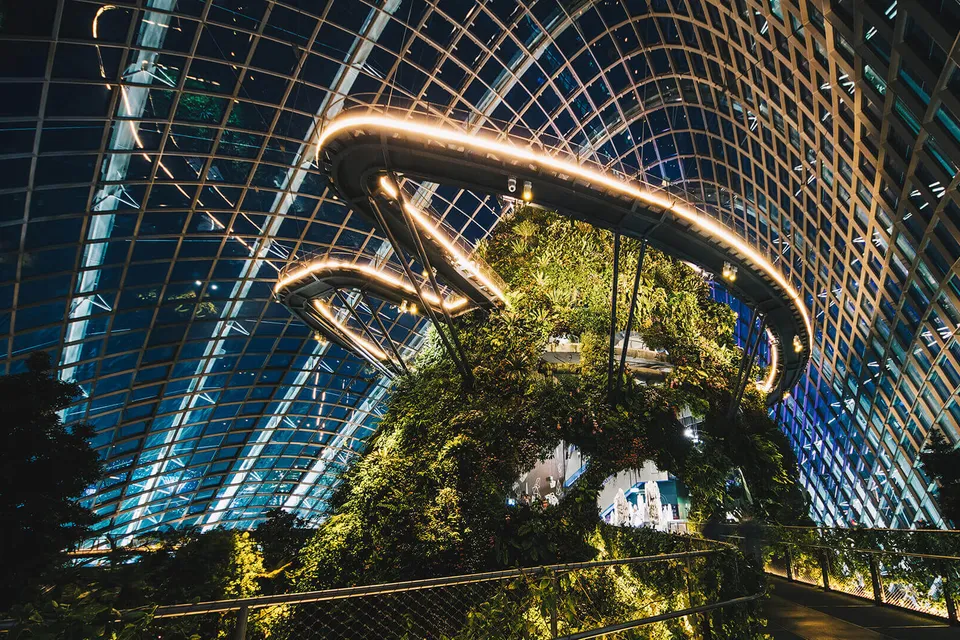 ₹94,350₹94,350
Tap any package, or just tell us your month and budget.
Live availability, room options and the final all-in price, usually within the hour.
Secure payment, vouchers and transfer details sent straight to your phone.
Indian passport holders require an entry visa prior to travelling to Singapore. Applications cannot be submitted in person at Singapore high commissions; they must be processed through an Authorized Visa Agent (AVA) appointed by the Singapore Immigration and Checkpoints Authority (ICA) or via a Singapore citizen or permanent resident local sponsor using the official SAVE online portal. The official visa processing fee is INR 2,100 plus authorized agent service fees. Approved visas are issued as electronic paper e-Visas (typically valid for multiple entries over 30 days or up to 2 years). Additionally, all travelers must submit the complimentary SG Arrival Card (SGAC) with electronic health declaration online at sgac.ica.gov.sg within three days prior to arrival.
The official currency is the Singapore Dollar (SGD). Singapore is one of the world's most cashless societies; contactless Visa and Mastercard, Apple Pay, and Google Pay are accepted at virtually all retail, dining, and transport outlets. EZ-Link and SimplyGo stored-value cards are available at MRT stations for use on public transport. The most convenient method for tourists is to tap a contactless foreign credit or debit card directly at MRT fare gates and bus readers, which is fully supported. Tap water in Singapore is safe to drink.
Singapore's public transport system is world-class. The MRT (Mass Rapid Transit) covers the entire city-state efficiently with trains running from approximately 5:30 AM until midnight. Buses complement the MRT across all areas. Payment options include touching in and out with a contactless bank card (Visa or Mastercard), an EZ-Link card, or a Singapore Tourist Pass (offering unlimited travel for 1, 2, or 3 days). Taxis and Grab rides are widely available for late-night travel when MRT service ends. Cycling is also popular with a city-wide bike-sharing infrastructure.
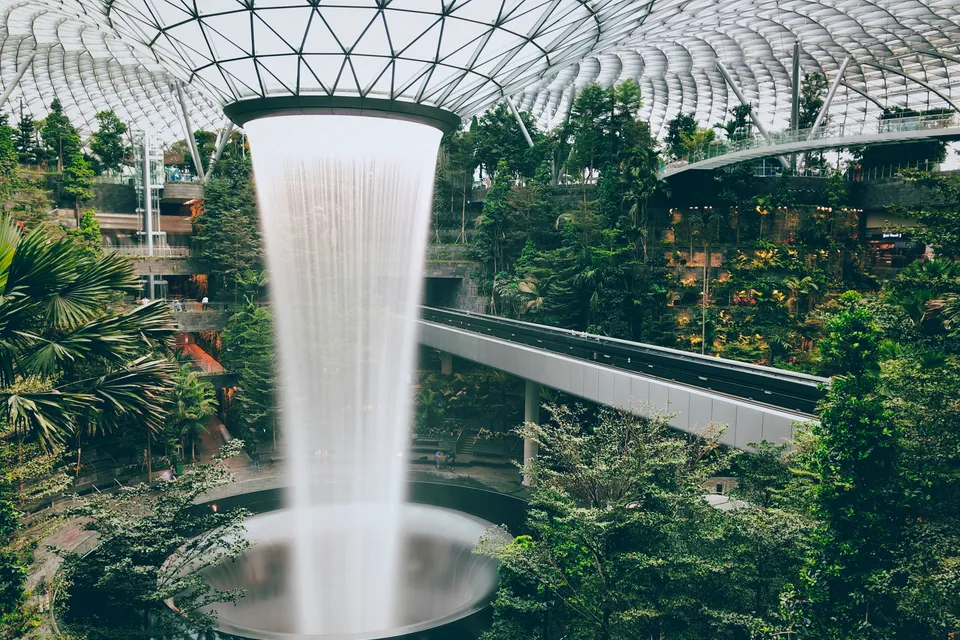
Essential Singapore attractions include Gardens by the Bay (Supertree Grove, Cloud Forest, and Flower Dome with the free nightly Garden Rhapsody light show), Marina Bay Sands (rooftop infinity pool visible from Sands SkyPark observation deck), Sentosa Island (Universal Studios Singapore, S.E.A. Aquarium, beaches, and cable car), the Singapore Botanic Gardens (a UNESCO World Heritage site with free access), Jewel Changi Airport (the world's tallest indoor waterfall at 40 metres within the airport), and the cultural districts of Chinatown, Little India, and Kampong Glam (Arab Street).
Singapore is one of the world's great food cities and hawker centres offer world-class meals at very affordable prices (typically SGD 4 to 6 per dish). The national dish is Hainanese Chicken Rice (poached chicken with fragrant rice, chilli sauce, and ginger paste). Other must-try dishes include Laksa (spicy coconut curry noodle soup), Char Kway Teow (wok-fried flat rice noodles with smoky wok hei flavour), Bak Kut Teh (pork rib soup, available in pepper or herbal styles), Roti Prata (Indian-influenced flaky flatbread with curry), Chilli Crab (a signature seafood dish), and Kaya Toast with soft-boiled eggs for breakfast. Maxwell Food Centre, Tiong Bahru Market, and Lau Pa Sat are top hawker destinations.
Singapore is a year-round destination with consistently warm, tropical weather averaging 25 to 33 degrees C throughout the year. The drier months from February to April and July to August tend to have less rainfall and are generally more pleasant for outdoor sightseeing. November to January can see more rainfall from the northeast monsoon. Singapore hosts major events including the Formula 1 Singapore Grand Prix (September), Singapore Food Festival (July to August), and the Chinese New Year light-up on Orchard Road (January to February). Off-peak shoulder months (February to April and September to October) typically offer better accommodation rates.
Singapore has a reputation as an expensive destination, but costs vary widely depending on your choices. Hawker centres provide outstanding meals for SGD 4 to 8 per dish. Budget accommodation (hostels in Chinatown and Little India) starts from SGD 25 to 40 per night. A comfortable daily budget including hostel, hawker meals, and public transport is approximately SGD 60 to 90. Many of Singapore's best experiences, including Gardens by the Bay outdoor areas, the Botanic Gardens, the ethnic heritage districts, and Sentosa beaches, are free or low cost. High-end hotels, fine dining, and theme park admissions represent the higher cost end.
Singapore consistently ranks as one of the safest cities in the world. Crime rates, including petty theft and violent crime, are extremely low due to strict law enforcement. The city is exceptionally clean and well-organised. Tourists should be aware that Singapore has very strict laws: littering, jaywalking, chewing gum in certain contexts, and bringing food or drink onto MRT trains all carry fines. Drug offences carry mandatory death penalty. Singapore's firm but fair legal system means visitors who follow the rules enjoy an exceptionally safe environment.
Singapore has four official languages: English, Mandarin Chinese, Malay, and Tamil. English is the primary language of business, government, education, and everyday communication, making Singapore one of the easiest destinations in Asia for English-speaking travelers. You may also encounter Singlish (Singaporean English creole) in informal settings, which blends English with Malay and Chinese expressions.
Singapore is a multi-cultural society and respectful behaviour is expected. When visiting temples, mosques, and sacred sites, dress modestly with shoulders and knees covered. The consumption of chewing gum is illegal unless for therapeutic purposes (medicinal nicotine or dental gum). Smoking is prohibited in indoor public spaces, air-conditioned restaurants, public transport, and many outdoor pedestrian areas. Littering carries fines. Eating and drinking are prohibited on the MRT and public buses. LGBTQ+ rights have recently advanced in Singapore; same-sex relations were decriminalised in November 2022 and public displays of affection follow the same standards expected of all couples.
Changi Airport is among the best-connected airports in the world. The MRT East West Line (train) connects Changi Airport directly to central Singapore, with the journey to City Hall taking approximately 30 minutes and costing around SGD 2. The train runs from early morning until late night. Airport taxis and Grab rides are available outside arrivals halls. The Jewel Changi Airport complex (connected to Terminals 1, 2, and 3) is worth a visit in itself and contains the world's tallest indoor waterfall, extensive shopping, and dining.
Universal Studios Singapore (USS) is located on Sentosa Island and is one of Asia's top theme park attractions. The park features themed zones including Hollywood, New York, Sci-Fi City, Ancient Egypt, The Lost World, Far Far Away, and Madagascar. One-day admission tickets can be purchased online in advance at rwsentosa.com, which is recommended to guarantee entry. The park is accessible from the mainland via the Sentosa Express monorail from VivoCity mall, cable car, or vehicle. The S.E.A. Aquarium and Adventure Cove Waterpark are nearby at Resorts World Sentosa.
The Singapore Tourist Pass (STP) offers unlimited rides on the MRT, LRT, and public buses for 1 day (SGD 22), 2 days (SGD 29), or 3 days (SGD 34), with a SGD 10 refundable card deposit. It is available at Changi Airport MRT station, selected MRT stations, and at the Changi Airport Tourist Pass counter. Alternatively, tapping in and out of fare gates with a contactless foreign Visa or Mastercard bank card provides the same seamless access without needing to purchase a separate card, automatically charged at standard fares.
Yes, tap water in Singapore is completely safe to drink directly from the tap and complies with World Health Organization (WHO) and Environmental Public Health guidelines. Water quality is monitored continuously by the Public Utilities Board (PUB). Carrying a reusable water bottle and refilling it at taps and public water fountains is clean, safe, and economical.
In Singapore, dial 999 for Police and 995 for SCDF Emergency Ambulance and Fire Service. For non-emergency medical transport, dial 1777. The Police hotline for non-emergency reporting is 1800 255 0000. Operators speak English, and response times across the city-state are exceptionally rapid.
Singapore enforces strict customs laws. The import, sale, and distribution of chewing gum is prohibited by law (except approved dental/medicinal gum). Electronic vaporizers (e-cigarettes), vape pods, and shisha are completely illegal to bring into or possess in Singapore, carrying fines of up to SGD 2,000. Alcohol duty-free concessions (1 litre spirits, 1 litre wine, 1 litre beer) apply only to travelers arriving from outside Malaysia who have spent at least 48 hours abroad.
Travelers staying airside within Changi Airport's transit areas do not clear immigration and require no visa. Eligible nationals (including Indian passport holders) transiting to or from a third country by air may qualify for the 96-hour Visa-Free Transit Facility (VFTF) if they hold a valid forward flight ticket departing within 96 hours and possess a valid long-term visa or residence pass issued by Australia, Canada, Germany, Japan, New Zealand, Switzerland, the UK, or the USA with at least one month validity.
Tipping is not practiced or expected in Singapore. Almost all full-service restaurants, bars, and hotels add a mandatory 10 percent service charge plus 9 percent Goods and Services Tax (GST) to the bill. Hawker centres and fast-casual eateries do not accept tips. Changi Airport staff are prohibited from accepting gratuities. Leaving loose change is entirely optional.
Singapore uses the standard British three-pin Type G plug operating on 230 volts at 50 Hz. Modern hotels feature universal outlets and USB wall ports, but bringing a Type G adapter is advisable for older properties or local apartments.
Transit passengers with layovers between 5.5 and 24 hours at Singapore Changi Airport can join a complimentary 2.5-hour guided city bus tour organized by Singapore Tourism Board and Singapore Airlines. Options include the City Sights Tour, Heritage Tour, and Changi Precinct Tour. You must register at the Free Singapore Tour booths inside transit terminals before passing immigration.
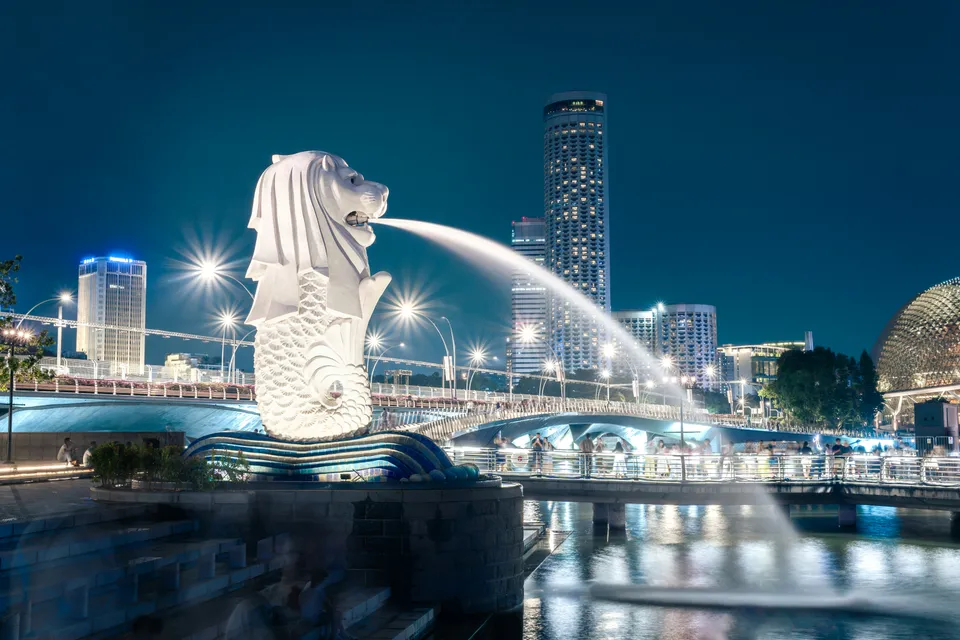
Singapore is a distinct island nation that blends futuristic architecture with deep-rooted cultural heritage. As a compact destination, it offers a seamless travel experience where world-class urban planning meets tropical nature. Travelers will find a diverse range of districts, from the high-end shopping avenues of Orchard Road to the vibrant, colorful streets of Little India and the historically rich enclaves like Chinatown. The city is defined by its commitment to cleanliness, safety, and an efficient public infrastructure that makes navigating between regions like Central Singapore and Sentosa Island effortless.
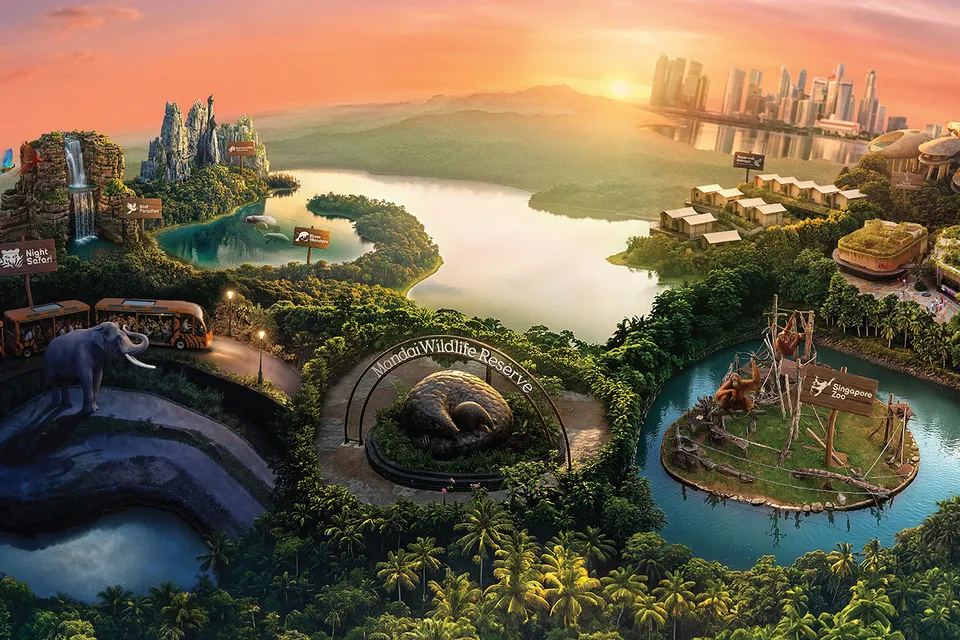
Singapore maintains a tropical climate year-round, characterized by high humidity and consistent temperatures. There is no traditional winter, meaning the city is accessible throughout the year. Visitors often experience rain, which can occur as short, heavy showers at any time, though these rarely disrupt long-term travel plans. Outdoor activities like visiting the Mandai Wildlife Reserve or strolling through the Gardens by the Bay are popular in all seasons. Many travelers prefer the months outside of the peak monsoon season to enjoy outdoor sightseeing with slightly more comfortable conditions, though the city is well-equipped with indoor, air-conditioned attractions for any weather.
One of the primary advantages of Singapore is its accessibility. You do not need to book internal flights to explore the country. The Mass Rapid Transit system is one of the most reliable and extensive in the world, connecting major tourist hubs, residential areas, and business centers. For those preferring door-to-door convenience, the city supports widespread ride-hailing services and a regulated taxi network. Walking is also a primary mode of transit in the central districts, where pedestrian bridges and underground walkways link shopping malls, hotels, and subway stations. Whether you are staying in a luxury resort on Sentosa or a heritage-style boutique hotel in the heart of the city, the infrastructure ensures that time spent in transit is kept to a minimum, allowing more time for exploration.
Singapore is known as an approachable international destination for families due to its safe environment, cleanliness, and widespread use of English.
The island is compact and highly walkable, with a world-class public transport network that removes the need for domestic flights.
Visitors can experience major attractions like Sentosa, Universal Studios, the Singapore Zoo, and the Gardens by the Bay within a single itinerary.
The city features a wide variety of dining options, including specific hubs like Little India that offer extensive vegetarian menus.
What a 4 night Singapore plus 2 night Kuala Lumpur package costs in rupees: hotels, flights, the border crossing, and which attractions, like Universal Studios and Genting, cost extra.
Swapping two hotel nights for a short cruise sounds like an upgrade. Here is what the fare leaves out, what the swap costs a couple, and who should book it.
One total for two people, not per-person maths. Bugis, Chinatown and Marina Bay Sands budgets for five nights in Singapore, with flights and visa, as of September 2026.
What Universal Studios Singapore tickets really cost in rupees, who pays the child rate, and whether the Express Pass is worth it on your dates.
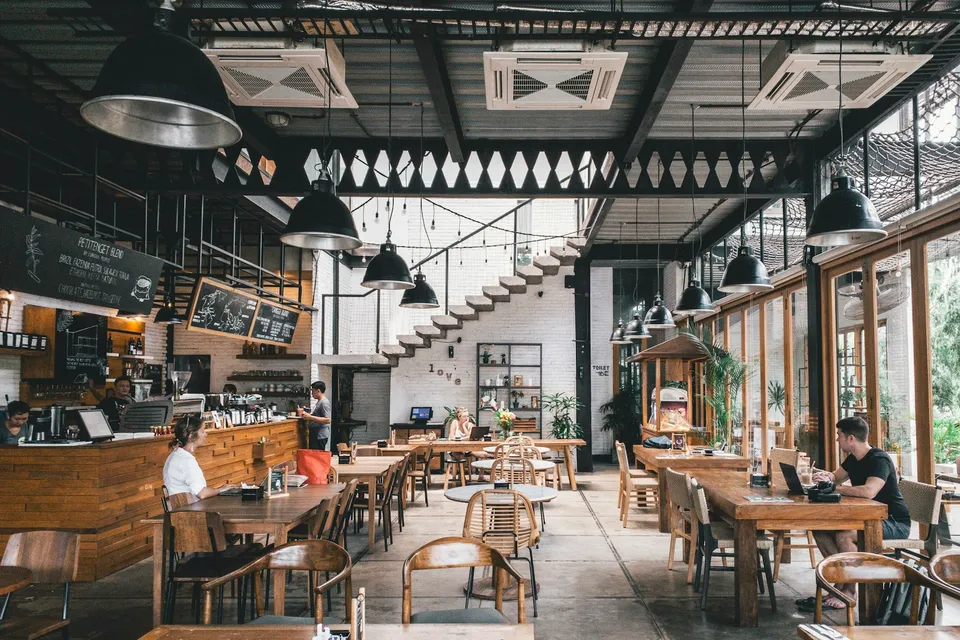
Practical Singapore advice for Indians: where to change money, which SIM to buy, the plug to pack, veg food, tipping and the local rules that get enforced.
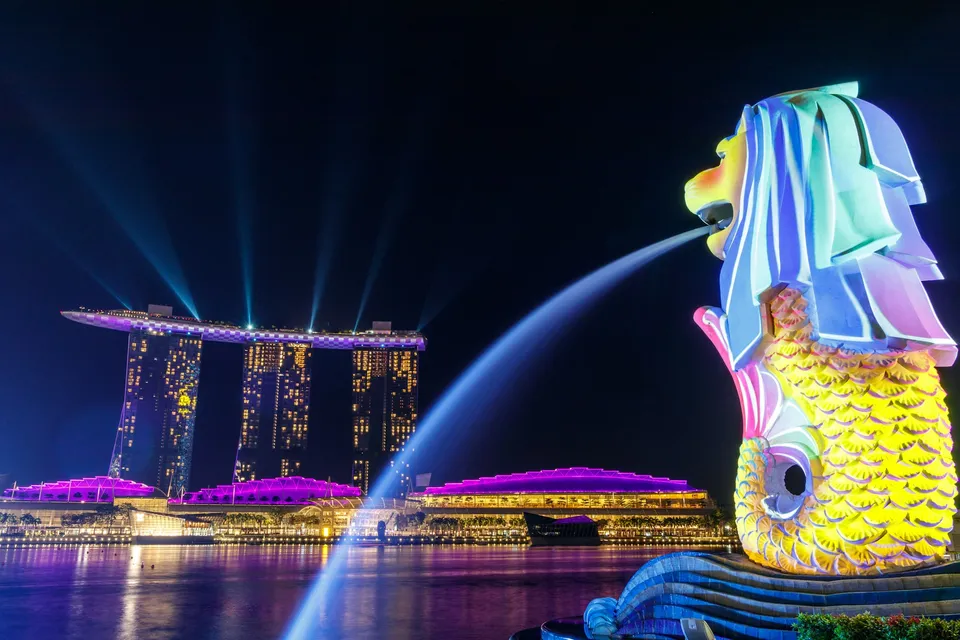
Indians need a visa before flying to Singapore. Fees in rupees, documents, the SG Arrival Card, timelines and the mistakes that get files rejected.

Marina Bay, Orchard, Bugis, Chinatown, Little India and Sentosa compared for Indian travellers, with rupee bands and honest trade-offs.
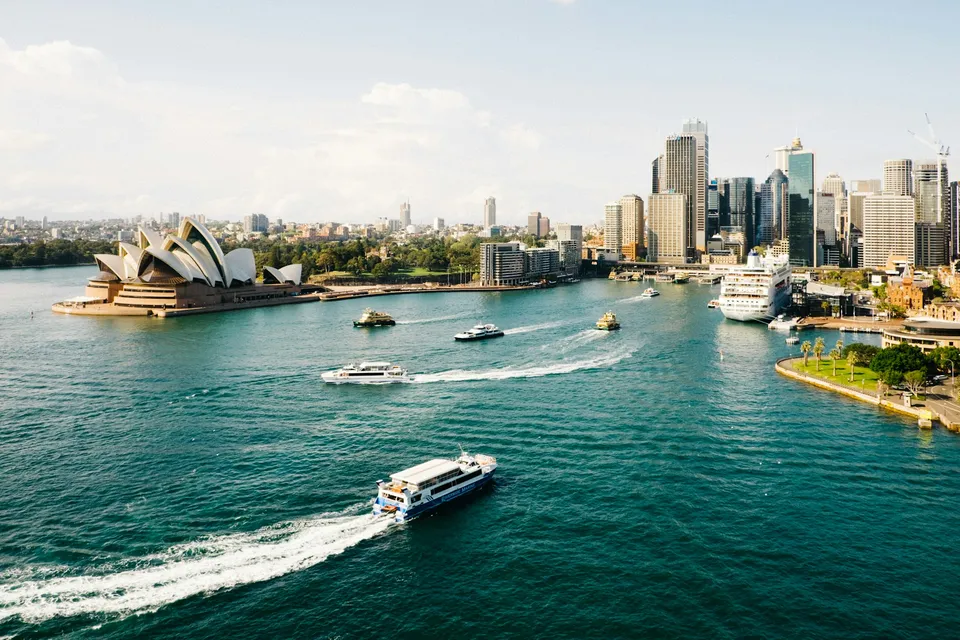
Three days is enough to see the best of Singapore. A first timer's plan for Marina Bay, Sentosa, hawker food and getting around by MRT.
Browse Singapore experiences by interest - adventure, cultural, romantic and more.