
Kuala Lumpur
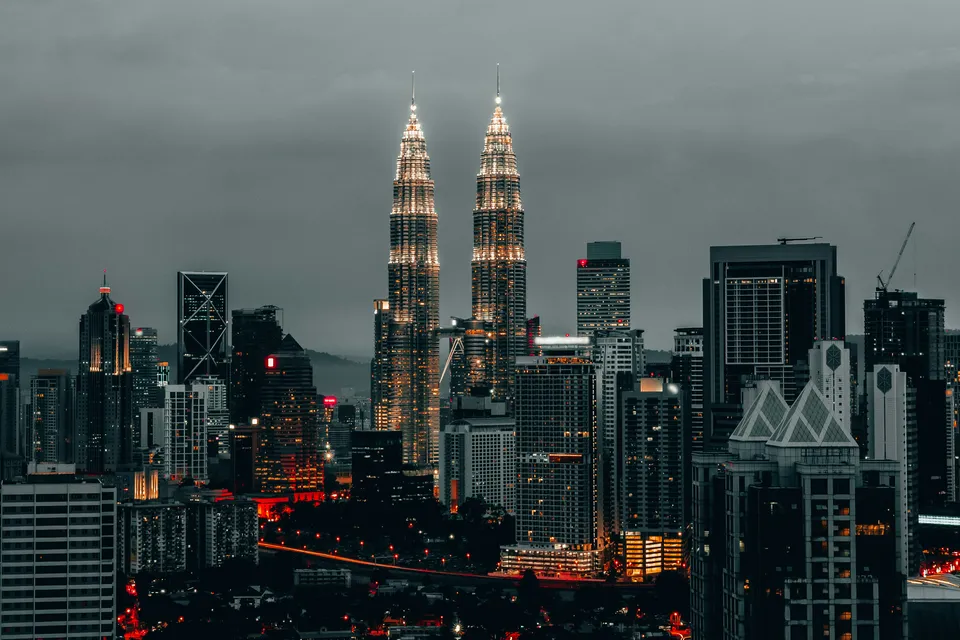
Malaysia's capital city is known for the iconic Petronas Towers, diverse street food markets, and vibrant cultural landmarks.
Kuala Lumpur packages
No ready-made Kuala Lumpur trips yet
Our planners build Kuala Lumpur itineraries from scratch. Send your dates and budget.
Booking is three messages, not thirty tabs.
Start on WhatsApp- 01
Pick a package or a budget
Tap any package, or just tell us your month and budget.
- 02
We confirm on WhatsApp
Live availability, room options and the final all-in price, usually within the hour.
- 03
Pay and pack
Secure payment, vouchers and transfer details sent straight to your phone.
Before you go
- Currency
- Malaysian RinggitMYR
When to go
Tropical; hot and humid year-round (27–32°C); wetter on the east coast Nov–Feb; highlands are cool.
About Kuala Lumpur
Exploring Kuala Lumpur
Kuala Lumpur serves as the bustling capital of Malaysia, acting as a melting pot of Malay, Chinese, and Indian cultures. The city skyline is dominated by the Petronas Towers, which stand as a symbol of the nation's rapid development. Beyond the modern architecture, visitors can explore traditional markets and historical religious sites. The city is known for its wide variety of food, ranging from high-end dining to local street food stalls located in districts like Bukit Bintang. It is a city that bridges the gap between historical heritage and modern urban living.
Understanding the Climate
Travellers should prepare for a tropical climate. The city remains hot and humid throughout the year, with daytime temperatures generally hovering between 27 and 32 degrees Celsius. Rain can occur at any time, which is typical for a tropical environment. If your travel plans include visiting other parts of Malaysia, be aware that the east coast experiences a more distinct wet season between November and February. Those looking to escape the heat often travel to the nearby highlands, where the elevation provides a significantly cooler and more temperate climate.
Getting Around
Navigating Kuala Lumpur is facilitated by an extensive public transport network. The city utilizes a combination of light rail transit, commuter trains, and an extensive bus system. These options provide reliable access to major landmarks like the Batu Caves and the central shopping districts. Taxis and ride-hailing services are widely available for those who prefer point-to-point transport. While the city centre has areas that are walkable, the combination of high humidity and heavy traffic means that many visitors prefer utilizing the rail network to traverse longer distances between major hubs.
Cultural and Urban Highlights
Kuala Lumpur is defined by its ability to house diverse communities in one urban space. The Batu Caves serve as a major spiritual landmark, drawing visitors for both their cultural significance and the impressive limestone formations. In the city centre, the mix of luxury shopping malls and traditional street markets creates a unique commercial environment. Whether you are visiting for the architecture, the food, or the religious sites, the city offers a concentrated experience of Southeast Asian culture.
Highlights of Kuala Lumpur
Petronas Towers
These twin skyscrapers feature a double-decker skybridge and observation decks offering city views.
Batu Caves
This limestone hill contains a series of caves and cave temples, serving as a significant Hindu shrine.
Bukit Bintang
This district serves as the city hub for extensive shopping malls and diverse street food vendors.
Tropical Climate
The city maintains a hot and humid tropical climate throughout the year with temperatures ranging from 27 to 32 degrees Celsius.
More ways to plan Kuala Lumpur
Map: stays, food & nightlife
See hotels, activities, vegetarian and Jain-friendly restaurants, bars and cafés around where you stay in Kuala Lumpur.