
JapanView
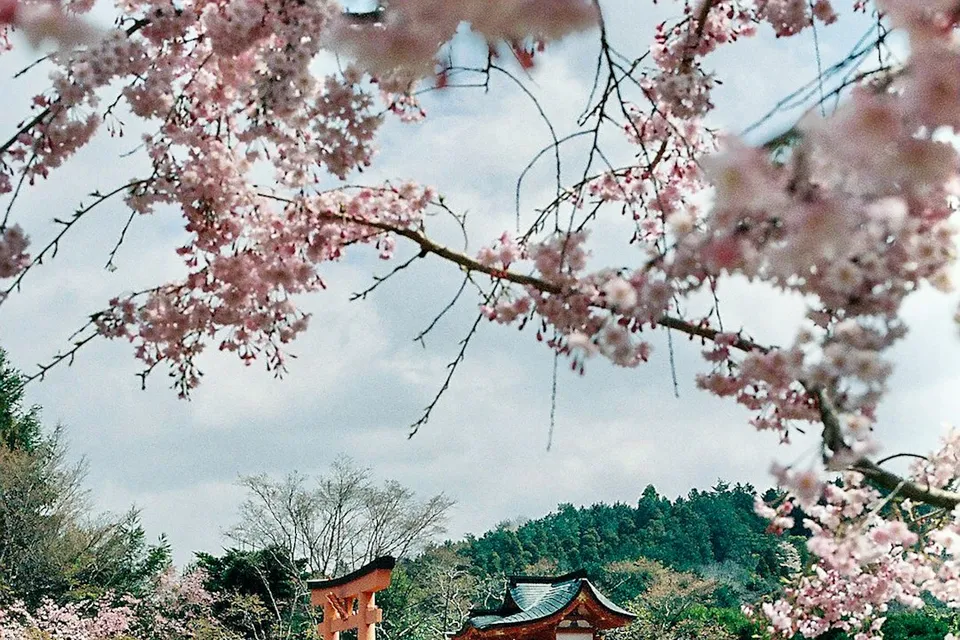
Japan Cherry Blossom (4N Osaka + 3N Tokyo) Flights - Ex Banglore
7 nights4-5 star hotels
March
₹2,79,300per adult
₹5,58,600 for 2 adults
Explore the diverse landscapes of India, from the historical streets of Delhi and Rajasthan to the coastal beauty of Goa and cruise routes to Lakshadweep.
₹2,79,300per adult
₹5,58,600 for 2 adults
₹2,79,300per adult
₹5,58,600 for 2 adults
₹2,90,700per adult
₹5,81,400 for 2 adults
₹2,90,700per adult
₹5,81,400 for 2 adults
₹2,90,700per adult
₹5,81,400 for 2 adults
Tap any package, or just tell us your month and budget.
Live availability, room options and the final all-in price, usually within the hour.
Secure payment, vouchers and transfer details sent straight to your phone.
Most international travellers require a visa or an e-Visa to enter India, which should be applied for online well in advance of travel.
The best time to visit is generally from October to March, when the weather is cooler and more comfortable for sightseeing across most regions.
Domestic travel is facilitated by an extensive rail network, internal flights between major hubs like Delhi and Mumbai, and road transport.
Travellers should check current health advisories, as specific vaccinations may be recommended or required depending on the traveller's country of origin.
India is a vast nation defined by its immense regional variety, offering travellers a unique blend of experiences that span from high-energy metropolitan hubs to serene coastal retreats. Each state provides a distinct perspective on the country's identity. In the north, regions like Delhi and Rajasthan serve as gateways to historical architecture and ancient traditions. Moving south, states such as Kerala, Karnataka, and Tamil Nadu offer a different pace of life, characterized by lush landscapes and long-standing cultural practices. The coastal regions, particularly Goa, have developed into major destinations for those seeking relaxation by the sea.
Moving across such a large country requires planning. For long distances, domestic air travel is the most efficient way to connect major cities like Mumbai with regional hubs. The national rail network remains a popular, iconic way to witness the changing geography, though it requires booking in advance for major routes. Within cities or smaller regions, travellers often utilize ride-hailing services, auto-rickshaws, and private transfers to navigate local sights. For coastal enthusiasts, cruise travel has become an increasingly accessible option, with routes departing from Mumbai that traverse the coastline towards Goa and further out to island territories like Lakshadweep.
Climate plays a central role in planning an itinerary. The majority of the country experiences a tropical climate, with the peak tourist season falling between the cooler months of October and March. During this period, the weather is generally dry and pleasant, making it ideal for exploring the heat-sensitive regions of Rajasthan or the bustling markets of Delhi. The monsoon season, which typically occurs between June and September, brings significant rainfall that can impact travel logistics, particularly in coastal and mountainous regions. Travellers looking for a quieter experience often consider the shoulder seasons, provided they are prepared for rising temperatures or increased humidity. Regardless of the timing, India offers a deep complexity of experiences that vary significantly by state and season.
The country encompasses a vast range of landscapes, including the coastal regions of Goa and Kerala, and the expansive plains of Delhi and Maharashtra.
Ports such as Mumbai and Goa serve as hubs for maritime travel, offering routes to destinations like Lakshadweep.
India is divided into states such as Rajasthan, Karnataka, and Tamil Nadu, each offering distinct cultural traditions and historical sites.
The nation supports a broad spectrum of activities ranging from coastal leisure and cruise holidays to inland cultural explorations.
See hotels, activities, vegetarian and Jain-friendly restaurants, bars and cafés around where you stay in India.