
No packages found for Azerbaijan currently.
Must-See & Do
Top attractions and experiences in Azerbaijan.
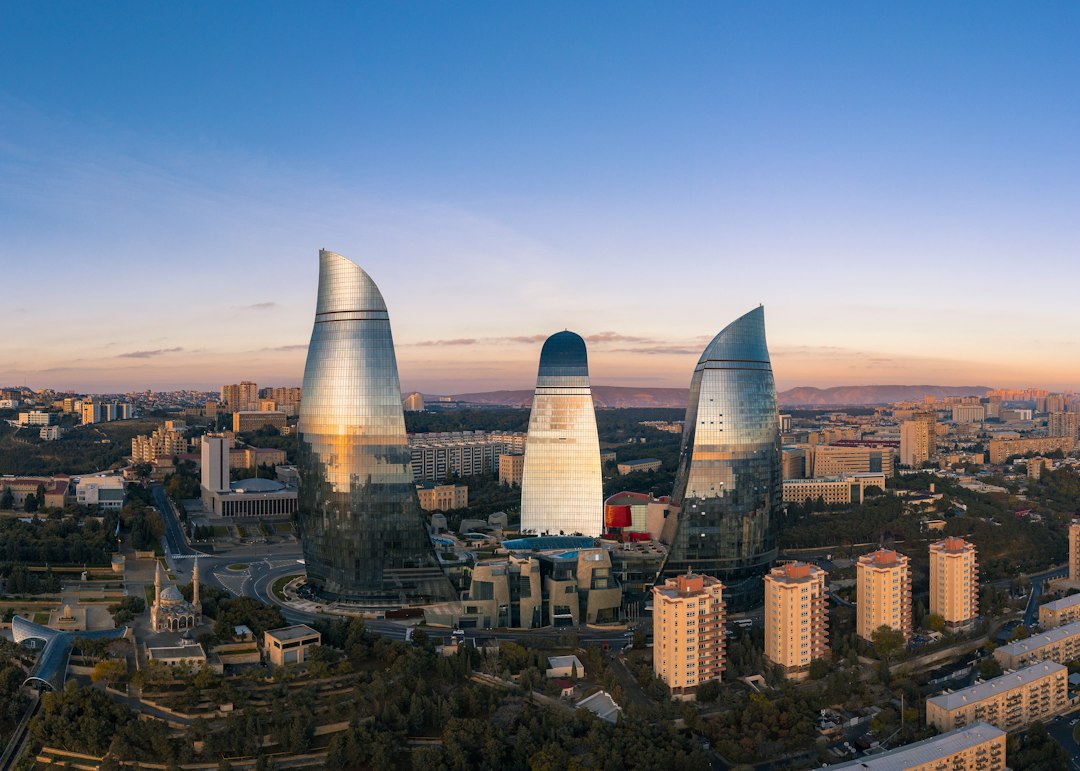
Flame Towers, Baku
Three LED-lit towers standing approximately 190 metres tall, the most photographed landmark in the country. Free to view from the Boulevard or Highland Park, best at sunset.
Icherisheher (Old City), Baku
A UNESCO World Heritage walled district inscribed in 2000, holding the Maiden Tower (8 storeys, 29.5m) and the 12th-15th century Shirvanshahs' Palace. Entry to the Maiden Tower runs about 10 AZN.
Gobustan Rock Art Reserve
A UNESCO site with over 6,000 prehistoric petroglyphs, usually paired with a 4x4 trip to the nearby mud volcanoes. Museum and reserve entry runs about 15 AZN for adults.
Yanar Dag (Burning Mountain)
A natural gas fire that has burned continuously on a hillside near Baku for decades, the source of Azerbaijan's "Land of Fire" nickname. Entry is about 5 AZN, most dramatic after dark.
Heydar Aliyev Center, Baku
A Zaha Hadid-designed cultural centre completed in 2013, its sweeping, angle-free form a deliberate break from Baku's Soviet-era architecture. Exterior is free; museum entry is about USD 8.
Gabala and the Tufandag Mountain Resort
A hill-station town in the Greater Caucasus foothills, home to the Tufandag cable car network and the annual summer Gabala Music Festival. Ski season runs roughly December to March.
Sheki Khan's Palace
An 18th-century UNESCO World Heritage palace famous for shebeke windows, stained glass assembled without nails or glue. Anchors a historic old town that includes a centuries-old Karvansaray.
About Azerbaijan
Everything you need to know before you go.
Azerbaijan is a Caucasus country on the Caspian Sea, known as the Land of Fire for its natural gas flames, with a modern Baku skyline, a UNESCO walled Old City, and mountain resort towns like Gabala and Sheki within a few hours of the capital.
Best Time to Visit
When to plan your perfect trip to Azerbaijan.
Climate Overview
Baku and the Caspian coast stay mild for most of the year, 15-24C from April to June, but summer can push to 40C in July and August. September is the driest and most comfortable month, and October brings 13-19C autumn weather. Winter (December-February) is mild on the coast but brings real snow to the Greater Caucasus foothills around Gabala and Shahdag, where the ski season runs roughly December to March. The mountains run consistently cooler than Baku in every season, so a Baku-plus-Gabala trip means packing for two different climates at once.
Travel Seasons
Spring is widely rated the most comfortable season, 15-24C in Baku, blooming landscapes, and lighter crowds than summer. Novruz, the biggest national festival, falls in March just before this window.
September is the driest, most balanced month; October adds golden autumn colour at 13-19C. Both are strong for city walking and the Baku-Gabala-Sheki loop without summer heat.
Ski season at Gabala and Shahdag, roughly December to March. Baku itself stays mild on the coast, so this window suits a city-plus-ski combination rather than a pure sightseeing trip.
Baku can reach up to 40C in July and August. The Gabala Music Festival runs in summer and is a genuine draw, but city sightseeing is uncomfortable in the peak heat.
Azerbaijan Trip from India: The Complete Planning Guide
Plan a trip to Azerbaijan from India: e-visa in 3 days, direct 5h45m flights from Delhi, budget breakdown, best season and a first-timer route through Baku, Gabala and Sheki.
Azerbaijan Visa for Indians: Rules, Fees and How to Apply
Everything Indian travellers need on the Azerbaijan e-visa: official portal, USD 29 fee, 3-day processing, 30-day stay limit and the documents to keep ready.
Azerbaijan Trip Cost from India: A Real Budget Breakdown
A line-by-line Azerbaijan trip cost from India for 2026: flights, hotels, food and visa fees at budget, mid-range and comfortable levels, in rupees.
Best Time to Visit Azerbaijan: Month by Month Weather Guide
When to visit Azerbaijan by month: Baku temperatures, Gabala ski season, the Novruz and Gabala Music festivals, and the best window for a first-time trip.
More ways to plan Azerbaijan
Things to do by interest, and packages from your departure city.
Things to do in Azerbaijan
Browse Azerbaijan experiences by interest - adventure, cultural, romantic and more.
Frequently Asked Questions
Everything you need to know about Azerbaijan.
Do I need a visa to visit Azerbaijan?↓
Most international tourists, including Indian passport holders, require a visa to enter Azerbaijan. The most convenient method is the ASAN e-Visa, applied for entirely online through the official portal at evisa.gov.az. Standard processing takes 3 to 5 business days and an express option can be processed in as little as 3 hours. The e-Visa is typically valid for 90 days from issuance with a maximum stay of 30 days on a single-entry basis. Your passport must be valid for at least three months beyond your intended departure date from Azerbaijan. Citizens of some countries may be eligible for visa-free entry; check the official Ministry of Foreign Affairs website at mfa.gov.az for your specific nationality.
What is the best time to visit Azerbaijan?↓
The best times to visit Azerbaijan are spring (April to June) and autumn (September to October). Baku and the Absheron Peninsula enjoy a semi-arid Mediterranean climate. Spring brings mild temperatures between 15 and 25 degrees C, blooming landscapes, and the Novruz spring festival celebrations in late March. Autumn offers similar pleasant weather and coincides with harvest season. Summers (July to August) in Baku can be hot (30 to 38 degrees C) and dusty from Caspian winds. Mountain destinations like Shahdag and Gabala are green and cool in summer and offer skiing in winter (December to March).
What currency is used in Azerbaijan?↓
The official currency is the Azerbaijani Manat (AZN), divided into 100 qepik. It is best to arrive with US Dollars or Euros, which can be exchanged at banks and official exchange points in Baku. Credit and debit cards (Visa and Mastercard) are accepted in major Baku hotels, restaurants, and shopping centres. Outside Baku, cash is more commonly required, particularly in rural towns and mountain resort areas. ATMs are widely available in Baku but less so in regional towns.
How do I get from Baku Airport to the city centre?↓
Heydar Aliyev International Airport is located approximately 20 to 25 kilometres from central Baku. The H1 Aero Express bus provides a reliable and affordable 24-hour link between the airport and the 28 May metro station in central Baku. Official licensed airport taxis are available outside the arrivals hall; agree a fixed fare before departure or use ride-hailing apps like Bolt or Uber, which operate in Baku and provide transparent upfront pricing. The BakiKart reloadable transport card is required for using the Baku metro and local buses.
How do I get around within Azerbaijan?↓
Baku has a modern, clean metro system (BakiKart card required), city buses, and abundant Bolt and Uber ride-hailing services. For intercity travel, buses and shared marshrutka minibuses depart from Baku's main bus stations to cities including Ganja, Sheki, Lankaran, and Gabala. Azerbaijan Railways (ADY) operates train services between Baku, Ganja, and Sheki. For visiting Gobustan, Ateshgah, and Yanar Dag on the Absheron Peninsula, organised day tours or private taxis from Baku are the most practical option.
Is Azerbaijan safe for tourists?↓
Azerbaijan is generally safe for tourists with a low rate of violent crime. Baku is a modern, well-policed capital with a visible security presence. Travellers should exercise standard caution with belongings in busy markets and transport hubs. It is important to note that travel to border areas with Armenia and the Nagorno-Karabakh region carries specific risks; always check your government's current travel advisory before visiting. Photographing military installations, border infrastructure, and sensitive government buildings is illegal.
What are the must-see attractions in Azerbaijan?↓
In Baku, essential highlights include the UNESCO World Heritage-listed Old City (Icherisheher), the 12th-century Maiden Tower, the modern Flame Towers, the Heydar Aliyev Center designed by Zaha Hadid, and the Carpet Museum. Outside Baku, must-see destinations include Gobustan National Park (prehistoric rock art and mud volcanoes), Ateshgah Fire Temple and Yanar Dag (eternally burning hillside), Sheki (a beautiful Silk Road city with the 18th-century Khan's Palace), Gabala and Tufandag Mountain Resort, and Shahdag ski resort in the Greater Caucasus.
What is Azerbaijani cuisine like?↓
Azerbaijani cuisine is flavourful and diverse, blending Middle Eastern and Central Asian influences. The signature dish is plov (saffron-scented pilaf rice cooked with lamb, dried fruits, and chestnuts). Other must-try dishes include dolma (grape leaves stuffed with spiced meat and rice), dushbara (tiny lamb dumplings in broth), lavangi (stuffed chicken or fish with walnut and herb paste), and a wide variety of fresh flatbreads and herb platters. Pomegranate is a national symbol and appears in sauces, salads, and drinks. Azerbaijani tea culture is strong; black tea is served in armudu pear-shaped glasses.
What language is spoken in Azerbaijan?↓
Azerbaijani (Azeri) is the official language, written in the Latin alphabet since the 1990s. Russian is widely understood by older generations. In Baku, English is increasingly spoken in hotels, restaurants, and tourist sites, particularly among younger professionals. Outside the capital, a translation app covering Azerbaijani or Russian will be helpful.
What cultural etiquette should I observe in Azerbaijan?↓
Azerbaijan is a majority Muslim country with a largely secular social culture. Dress modestly when visiting mosques, with women covering their heads and both genders covering shoulders and knees. In everyday settings in Baku, international dress standards are the norm. Hospitality is deeply ingrained in Azerbaijani culture; if invited into a home, expect abundant food and tea. Use both hands when exchanging gifts or business cards as a sign of respect. Public intoxication is frowned upon and can attract unwanted attention.
Can I ski in Azerbaijan?↓
Yes. Shahdag Mountain Resort in the Gusar district of the Greater Caucasus is the country's premier alpine ski destination, with gondola lifts rising to 2,351 metres. The ski season typically runs from December to March. Tufandag Mountain Resort near Gabala also offers cable car rides and winter sports. Both resorts operate year-round, with summer activities including hiking, mountain cycling, and zip-lining.
What should I know about connectivity in Azerbaijan?↓
Mobile coverage in Baku is excellent with 4G widely available. The main operators are Azercell, Bakcell, and Nar Mobile, all of which offer tourist-friendly prepaid SIM cards at the airport and city shops. Wi-Fi is available in most Baku hotels, cafes, and restaurants. Signal can be limited in remote mountain and rural areas, so download offline maps before travelling outside major cities.
Is tap water safe to drink in Azerbaijan?↓
Tap water in Baku and across Azerbaijan is treated, but drinking it directly from the tap is not recommended due to aging municipal pipe networks. Visitors and residents drink bottled or filtered spring water. Bottled mineral water (such as Badamli and Sirab) is inexpensive and widely sold across supermarkets and kiosks.
What are the emergency numbers in Azerbaijan?↓
In Azerbaijan, the primary emergency numbers are 102 for Police, 103 for Ambulance and Medical Emergencies, and 101 for Fire and Rescue. The Ministry of Emergency Situations can be reached at 112. English-speaking operators are available through the police tourist hotline in central Baku.
What is the mandatory 15-day registration rule in Azerbaijan?↓
Foreign citizens staying in Azerbaijan for more than 15 calendar days must be registered at their place of stay with the State Migration Service. Hotels and official guesthouses handle this registration electronically on behalf of guests free of charge upon check-in. If staying in a private apartment, the host must submit the registration online at migration.gov.az within 15 days of arrival. Failure to register results in substantial fines upon departure.
Can I drive in Azerbaijan with my foreign driver license?↓
Tourists can drive in Azerbaijan using a valid foreign driving license along with an International Driving Permit (IDP) for the duration of their tourist visa. Driving is on the right side of the road. Major highways between Baku, Ganja, and Sheki are modern and well-maintained, but rural mountain roads require caution. Speed limits are strictly monitored by automatic radar cameras.
What electrical plugs and voltage are standard in Azerbaijan?↓
Azerbaijan uses European standard Type C and Type F round two-pin plugs operating on 220 to 230 volts at 50 Hz. Visitors with UK Type G or US Type A plugs will need a standard two-pin adapter.
What is the tipping culture in Baku and Azerbaijan?↓
Tipping is discretionary but appreciated in restaurants, cafes, and bars. Many dining venues in Baku add a 5 to 10 percent service charge to the bill. Leaving an additional 5 to 10 percent in cash directly for the server is standard when service is attentive. Tipping hotel bellhops 2 to 5 AZN per bag and rounding up taxi fares on Bolt or Uber is customary.
Are there any restrictions on visiting Armenia before or after Azerbaijan?↓
Having an Armenian visa or entry stamp in your passport does not legally bar you from entering Azerbaijan, though border officials may ask standard routine questions about the nature of your previous travel. However, any unauthorized entry into the Nagorno-Karabakh region or surrounding territories without explicit permission from Azerbaijani authorities is strictly illegal and will result in a permanent entry ban.
How does mobile device IMEI registration work in Azerbaijan?↓
Foreign travelers using a local Azerbaijani SIM card in their personal phone can use the service without registration for up to 30 days. If your stay exceeds 30 days and you continue using a local SIM card, the mobile device IMEI number must be registered through an ASAN Service centre or postal office upon payment of a state duty. Using international roaming does not require IMEI registration.