
No packages found for Kazakhstan currently.
Must-See & Do
Top attractions and experiences in Kazakhstan.
Almaty Region
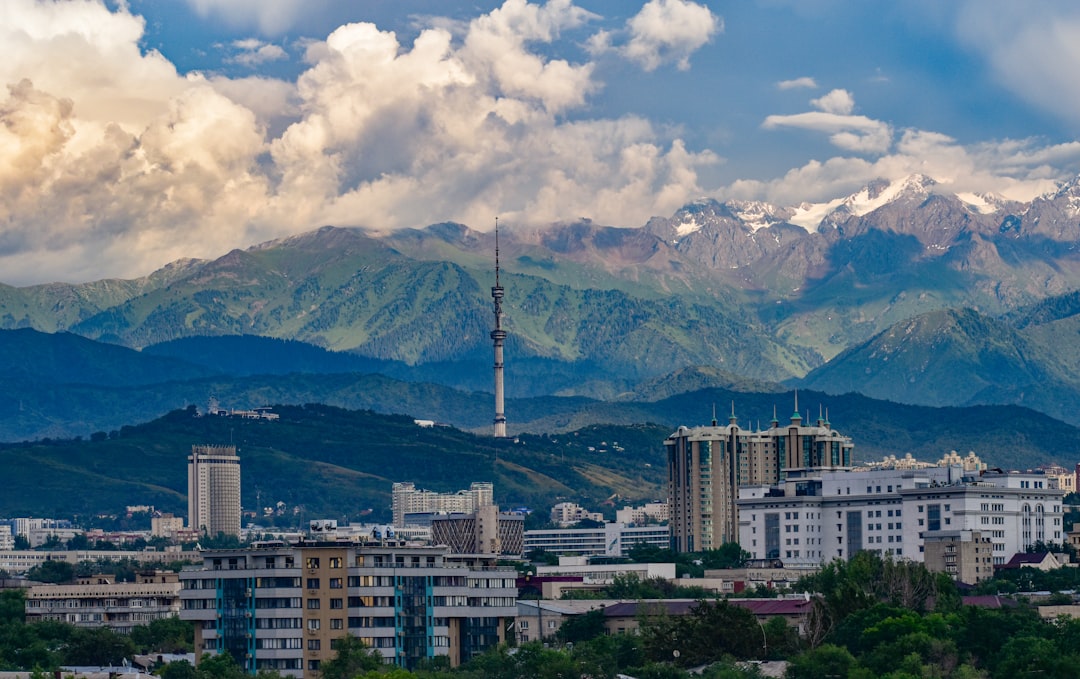
This southern region features the mountainous landscapes of the Trans-Ili Alatau and various national parks.
Northern Steppes
The northern plains offer vast stretches of grassland and unique wetland ecosystems.
Southern Historic Sites
Southern Kazakhstan contains architectural landmarks and remnants of the ancient Silk Road.
Western Landscapes
The western part of the country is known for its diverse desert topography and Caspian Sea coast.
Charyn Canyon
A 154 km canyon dropping up to 300 metres into 12-million-year-old rock, about 200 km east of Almaty. The Valley of Castles is the section visitors walk.
Kaindy Lake
A drowned spruce forest still standing in the water, created when a landslide after the 1911 earthquake dammed the gorge. The lake stays near 6C year round, which is why the trunks never rotted.
Kolsai Lakes
Three alpine lakes between 1,800 and 2,850 metres in Tien Shan spruce forest near the Kyrgyz border, known as the Pearls of the Northern Tien Shan.
Shymbulak and Medeu
Central Asia’s biggest ski resort, spanning 2,200 to 3,200 metres above Almaty, above the world’s highest large skating rink at 1,691 metres.
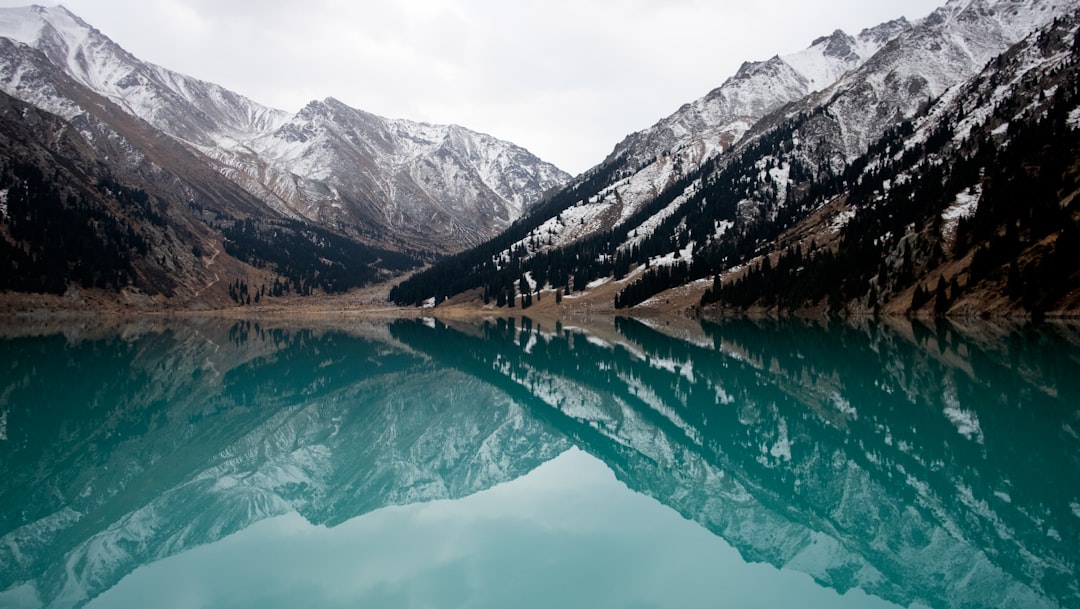
Big Almaty Lake
A turquoise alpine reservoir at 2,510 metres, under an hour from the city. It supplies Almaty’s drinking water, so swimming is prohibited.
Sunkar falcon nursery
Kazakhstan’s only birds-of-prey breeding centre, founded in 1989, which has released 360 saker falcons to the wild. Kazakh falconry is UNESCO intangible cultural heritage.
About Kazakhstan
Everything you need to know before you go.
Exploring Kazakhstan Kazakhstan is the ninth largest country in the world and the largest landlocked nation, occupying a vast territory that bridges Central Asia and Eastern Europe. Its geography is remarkably diverse, transitioning from the flat, arid steppes of the north to the rugged mountain ranges of the south and east, and the semi-desert regions of the west. For the modern traveller, Kazakhstan offers a mix of Soviet-era architecture, modern city skylines, and deep-rooted nomadic traditions that have shaped the culture for centuries. The country is divided into distinct regions, each offering a different perspective on the nation. The Almaty Region remains the most visited, primarily due to the proximity of the Trans-Ili Alatau mountains, which provide opportunities for hiking and skiing. In contrast, Western Kazakhstan provides a look at the industrial and desert landscapes near the Caspian Sea. Northern Kazakhstan serves as the agricultural heartland, while Southern Kazakhstan is the destination for those interested in historical sites related to the ancient Silk Road.
When to Visit Kazakhstan experiences a continental climate characterized by significant temperature fluctuations between seasons. Winters are typically long and harsh, especially in the northern regions where temperatures drop well below freezing. For outdoor activities, June through September is the most suitable window, with September the driest month of the year in Almaty at 28 mm of rain. April and May are the wettest months, at 112 mm and 99 mm, so the mountain roads and high lakes are unreliable in late spring despite the mild temperatures. October remains a good choice for the historical sites of the south, with autumn colour in the gorges and noticeably lower prices.
Transport and Navigation Moving around a country of this size requires careful planning. For long distances, domestic air travel is the most efficient method, connecting major cities like Almaty and the capital. The national railway network is extensive and provides a reliable way to experience the vast scale of the landscape, with overnight sleeper trains being a common choice for budget-conscious travelers. Within cities, public transportation options such as buses and metro systems are available, though taxis and ride-sharing applications are often more convenient for visitors. Renting a car is possible for those planning to visit remote national parks, though road conditions can vary significantly outside of urban areas.
Best Time to Visit
When to plan your perfect trip to Kazakhstan.
Climate Overview
Sharply continental, with a 38-degree swing across the year. Almaty averages -8.1C to 0.5C in January and 18.6C to 30.5C in July. Annual rainfall is about 675 mm and it falls mostly in spring: April is the wettest month at 112 mm and May at 99 mm, while September is the driest at 28 mm. The north and the capital are considerably colder than Almaty in winter. Altitude matters more than the city forecast: the mountains above Almaty run 10 to 15 degrees colder than the city year round, and Shymbulak holds snow from mid to late November until close to May.
Travel Seasons
Warm and dry, with mountain trails, the high lakes and the canyon country all open. September is the driest month of the year at 28 mm and still averages a 24.5C high in Almaty.
Ski season. Shymbulak runs from mid to late November until close to May, and the dry continental cold is easier than the temperature suggests. The high lakes are unreachable, so this is a ski and city trip.
October is the best value month, with autumn colour in the gorges and Almaty averaging 5.4C to 16.9C. Early November has neither snow nor summer, so go late in the month if at all.
The wettest window of the year, 112 mm in April and 99 mm in May, with snow still possible into April. Mountain roads are unreliable, the high lakes are often still closed and the ski season is ending.
Kazakhstan Trip from India: The Complete Planning Guide
Kazakhstan is the shortest long-haul India has. Visa-free for 14 days, three and a half hours from Delhi, and cheaper than Europe. Here is how to plan the whole trip, from flight to itinerary to budget.
Kazakhstan Visa for Indians: Rules, Fees and How to Apply
Indian passport holders enter Kazakhstan visa-free for 14 days. Here is exactly what the rule says, the 180-day cap people miss, what to carry at immigration, and when you genuinely do need an e-visa.
Kazakhstan Trip Cost from India: A Real Budget Breakdown
A line-by-line look at what a Kazakhstan trip from India costs: flights, hotels, transport, entry fees and ski passes, with real sourced figures in tenge and approximate rupees.
Best Time to Visit Kazakhstan: Month by Month Weather Guide
Almaty averages 30.5C in July and freezes in January. A month-by-month breakdown of Kazakhstan's weather with sourced temperature and rainfall figures, and which window suits which trip.
More ways to plan Kazakhstan
Things to do by interest, and packages from your departure city.
Things to do in Kazakhstan
Browse Kazakhstan experiences by interest - adventure, cultural, romantic and more.
Frequently Asked Questions
Everything you need to know about Kazakhstan.
Do Indian citizens need a visa to visit Kazakhstan?↓
Indian passport holders can visit Kazakhstan visa-free for up to 14 consecutive days per entry, with a total maximum of 42 days within any 180-day period, under the current bilateral agreement. You must carry your valid Indian passport (with at least six months validity beyond your departure date), proof of accommodation, a return or onward flight ticket, and sufficient funds. For stays longer than 14 days, you must apply for an e-Visa or a standard tourist visa through the official Kazakhstan visa portal at vmp.gov.kz. Verify the latest rules at kazakhstan.travel or your nearest Kazakhstani embassy before booking.
What is the best time to visit Kazakhstan?↓
The best times to visit Kazakhstan are spring (late April to June) and early autumn (September to mid-October). Spring brings green steppe landscapes and mild temperatures ideal for outdoor sightseeing in Almaty and Astana. Autumn offers pleasant weather and the opportunity for trekking before winter sets in. Summers (July to August) are warm to hot (30 to 35 degrees C in Almaty, hotter in the south). Winters are extremely cold, with temperatures in Astana regularly dropping to minus 30 degrees C or below, though winter tourism for skiing at Shymbulak is popular.
What currency is used in Kazakhstan?↓
The official currency is the Kazakhstani Tenge (KZT). Indian Rupees are not widely accepted or easily exchanged in Kazakhstan. The most practical approach is to carry US Dollars (USD) in cash, which can be exchanged for Tenge at banks and official exchange offices in Almaty and Astana. Visa and Mastercard credit and debit cards are accepted in major hotels, restaurants, and shopping centres in large cities. The Kaspi.kz app is a widely used local payment platform. Carry cash for rural areas, local bazaars, and smaller towns.
What language is spoken in Kazakhstan?↓
Kazakhstan has two official state languages: Kazakh and Russian. Russian is the dominant language of business and everyday communication in major cities including Almaty and Astana, and most signage appears in both Kazakh and Russian. English is spoken in upscale hotels, international restaurants, and modern attractions, but less so in local markets and rural areas. A translation app with an offline Russian language pack is a very practical travel companion.
How do I get around in Kazakhstan?↓
Domestic flights are the most efficient way to travel between major cities in Kazakhstan, given its vast size (the ninth largest country in the world by area). Air Astana and SCAT Airlines operate frequent domestic routes. Trains are comfortable and affordable for routes like Almaty to Astana or Almaty to Shymkent. Within Almaty and Astana, the metro (Almaty has two operational lines), buses, and ride-hailing apps (Yandex Go, inDrive, and Uber) are all practical options. For excursions to Charyn Canyon, Big Almaty Lake, or Shymbulak, organised tours or private transfers are standard.
Is Kazakhstan safe for tourists?↓
Kazakhstan is generally considered safe for tourists, with low violent crime rates. Standard travel precautions apply: keep belongings secure in crowded bazaars, use official exchange offices and avoid street money changers, and use reputable ride-hailing apps rather than unmarked taxis. It is illegal to photograph military facilities, border zones, and sensitive government buildings, and doing so can result in detention. The emergency number is 112.
What are the must-see attractions in Kazakhstan?↓
Top attractions include Almaty (a vibrant city surrounded by the Tian Shan mountains, with the Shymbulak ski resort, Kok-Tobe cable car, Panfilov Park, and the Central State Museum), Astana (the futuristic capital with Nur-Alem World Expo pavilion, Bayterek Monument, and the Khan Shatyr entertainment complex), Charyn Canyon (often compared to the Grand Canyon in scale), Big Almaty Lake (a high-altitude turquoise lake at 2,500 metres), the Hunns Ethno Village for nomadic cultural experiences, and the ancient Silk Road cities of Turkestan and Shymkent in the south.
What is Kazakhstani cuisine like, and what should I try?↓
Kazakh cuisine is hearty and rooted in nomadic traditions, centred on meat (primarily horse, lamb, and beef) and dairy. The national dish is beshbarmak (boiled horse or lamb meat served over flat noodles with onion broth), which translates literally as five fingers as it is traditionally eaten by hand. Other must-try foods include kurt (dried salty cheese balls), baursak (fried dough balls), kumiss (fermented mare's milk), and shubat (fermented camel's milk). In Almaty and Astana, international, Korean, Russian, and Central Asian restaurants are widely available.
Do I need travel insurance for Kazakhstan?↓
Travel insurance is not a formal entry requirement for most nationalities visiting Kazakhstan, but it is strongly recommended. Medical facilities in major cities are adequate, but rural areas have very limited healthcare infrastructure. A policy covering emergency medical evacuation, hospitalisation, and trip cancellation is advisable, particularly if you plan to trek in the Tian Shan mountains or visit remote areas.
What is the connectivity like in Kazakhstan?↓
Mobile coverage in Almaty and Astana is excellent, with 4G LTE widely available. Local SIM cards from operators such as Beeline, Kcell, and Tele2 are inexpensive and available at the airport and city shops. Coverage becomes sparse in mountain regions and rural areas of the steppe. Most hotels and major restaurants in cities offer Wi-Fi. Download offline maps (maps.me or Google Maps offline) before heading into the countryside.
What cultural etiquette should I be aware of in Kazakhstan?↓
Kazakhstan is a predominantly Muslim country with strong nomadic cultural roots, though it is largely secular in practice. When visiting mosques, dress modestly with shoulders and knees covered, and women should bring a headscarf. Removing shoes before entering a Kazakh yurt or home is customary. When invited to eat, accepting at least some food is considered polite. Using both hands when giving or receiving objects and business cards is a sign of respect. Toasting and drinking tea (chai) are central social rituals.
When can I ski at Shymbulak near Almaty?↓
Shymbulak Mountain Resort, located approximately 25 kilometres from central Almaty, is the premier ski destination in Central Asia. The ski season typically runs from December to March, with natural snow supplemented by snow cannons. Shymbulak sits at an elevation of 2,200 to 3,200 metres, offering runs for all ability levels. During summer (June to August), the resort operates as a hiking and mountain biking destination. The combined Medeu-Shymbulak gondola ride is popular year-round for the mountain views.
Is tap water safe to drink in Kazakhstan?↓
Tap water in Kazakhstan is not recommended for direct drinking due to aging distribution pipe infrastructure in many cities. It is best to use boiled, filtered, or bottled mineral water for drinking and brushing teeth. Quality hotels in Almaty and Astana provide complimentary bottled water to guests daily.
What are the emergency telephone numbers in Kazakhstan?↓
The unified nationwide emergency number in Kazakhstan is 112 (connects to fire, police, and medical dispatch). Direct lines are 101 for Fire, 102 for Police, 103 for Ambulance, and 104 for Gas Emergencies. Operators primarily speak Kazakh and Russian; in tourist hotspots in Almaty and Astana, English assistance is increasingly available.
What are the immigration registration requirements in Kazakhstan?↓
Foreign travelers staying in hotels or registered guesthouses are automatically registered by the host accommodation through the electronic E-Qonaq monitoring system within three working days of arrival. If staying in private apartments or with friends, the host must notify migration authorities online through the official visa-migration portal. Always keep your passport and hotel registration receipt accessible.
Can I drive in Kazakhstan as a tourist?↓
Tourists can rent and drive a vehicle in Kazakhstan with a valid national driving license accompanied by an International Driving Permit (IDP). Driving is on the right side of the road. Kazakhstan enforces a strict zero-tolerance policy for driving under the influence of alcohol. Major highways between Astana and Almaty are well-paved, but rural mountain routes require four-wheel drive vehicles and winter tires between November and March.
What electrical plug type is used in Kazakhstan?↓
Kazakhstan uses standard European Type C and Type F round two-pin plugs operating on 220 volts at 50 Hz. A standard European travel adapter is required for devices with UK Type G, American Type A/B, or Indian Type D/M plugs.
What is the tipping culture in Kazakhstan?↓
Tipping is customary in restaurants and cafes in Almaty and Astana. Most sit-down establishments automatically include a 10 to 15 percent service charge in the bill. If service is exceptional and no service charge is applied, leaving a 10 percent cash tip is customary. Tipping taxi drivers is optional, though rounding up the fare in cash or on Yandex Go is common.
What is the local time zone in Kazakhstan?↓
As of March 1, 2024, Kazakhstan unified its time zones across the entire country into a single time zone: UTC+5 (West Kazakhstan Standard Time). Major cities including Almaty, Astana, and Shymkent all operate on UTC+5 with no daylight saving time adjustments.
What are the rules regarding photography in Kazakhstan?↓
Photography of public monuments, parks, mountain scenery, and city streets is freely permitted. However, it is strictly prohibited to photograph military installations, border posts, security checkpoints, airport security areas, and certain government buildings. Always ask permission before photographing local residents, particularly in traditional bazaars.