
 ₹80,619
4 Nights Singapore With 2 Nights Malaysia Getaway
6 nights · October
Malaysia is a diverse destination known for its expansive rainforests, tropical islands, and vibrant city life.
₹80,619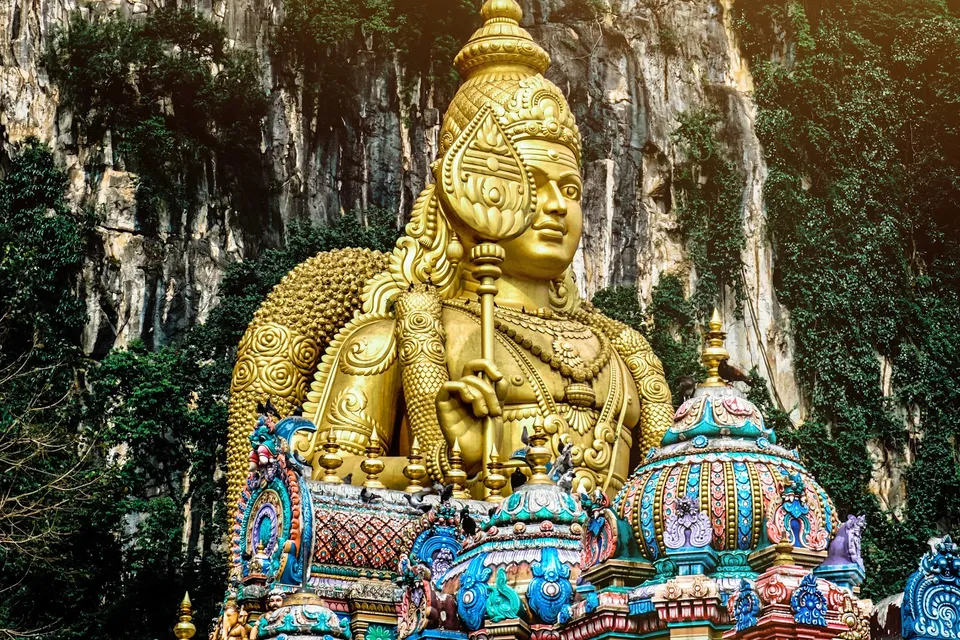 ₹84,750
Tap any package, or just tell us your month and budget.
Live availability, room options and the final all-in price, usually within the hour.
Secure payment, vouchers and transfer details sent straight to your phone.
Visa requirements for Malaysia depend on your nationality. Indian passport holders are currently eligible for visa-free entry to Malaysia for stays of up to 30 days, under a scheme that has been extended through December 31, 2026. All foreign visitors (with limited exceptions for Singapore citizens) must complete the mandatory Malaysia Digital Arrival Card (MDAC) online at imigresen-online.imi.gov.my within three days before arrival. For stays longer than 30 days or for other purposes, an e-Visa (eVISA) can be applied for through the official Malaysian Immigration portal at evisa.imi.gov.my. Always verify your specific nationality's current requirements at imi.gov.my before booking.
Malaysia has a tropical climate and is warm year-round, but the best time to visit depends on your destination. The west coast, including Kuala Lumpur, Penang, and Langkawi, is best from December to February when the weather is at its driest. Langkawi specifically enjoys peak dry weather from January to March. The east coast islands including Redang, Tioman, and the Perhentian Islands are closed to visitors from November to February due to the northeast monsoon, with most resorts shutting for the season. Malaysian Borneo (Sabah and Sarawak) is best from March to October.
The official currency of Malaysia is the Malaysian Ringgit (MYR or RM). Credit and debit cards (Visa, Mastercard) are widely accepted in Kuala Lumpur, Penang, and resort areas. Cash is needed for hawker centres, night markets, local transport, and smaller vendors. ATMs are readily available in all cities and major tourist areas. Do not use Singapore Dollars or other foreign currencies for transactions in Malaysia as they are not interchangeable at retail level.
Kuala Lumpur has an extensive public transport network including the LRT, MRT, KTM Komuter train, Monorail, and the KLIA Express rail link to the international airport. The Touch N Go (TNG) e-wallet and stored value card are used across public transport, toll roads, and many retail outlets. AirAsia, Malaysia Airlines, and Firefly offer frequent and affordable domestic flights to Langkawi, Penang, Kota Kinabalu, Kuching, and other destinations. Long-distance express buses are a comfortable and inexpensive option between major peninsular cities. Grab ride-hailing is the safest and most reliable taxi option across the country.
Bahasa Melayu (Malay) is the official national language. However, Malaysia is a multilingual society and English is widely spoken in cities, tourist areas, hotels, restaurants, and among educated Malaysians across all communities. Mandarin and Cantonese are common in Chinese-majority communities, and Tamil is spoken in Indian communities. You will generally encounter no difficulty communicating in English throughout your trip in tourist-facing situations.
Malaysian cuisine is a celebrated fusion of Malay, Chinese, and Indian culinary traditions, and eating is a national pastime. Must-try dishes include Nasi Lemak (fragrant coconut rice with sambal, anchovies, peanuts, and egg), Roti Canai (flaky Indian-influenced flatbread served with dhal or curry), Laksa (spicy coconut noodle soup), Char Kway Teow (wok-fried flat rice noodles), Satay (grilled meat skewers with peanut sauce), and Rendang (rich slow-cooked dry curry). Penang is famous for its Penang Laksa, Char Kway Teow, and hawker culture and has been cited as one of the world's top street food cities.
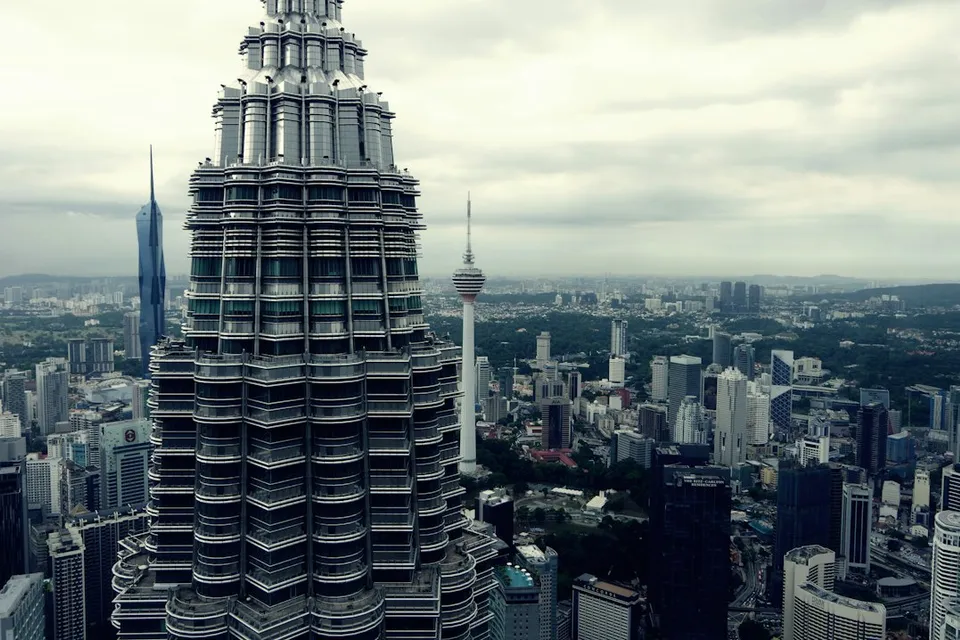
Kuala Lumpur highlights include the iconic Petronas Twin Towers (with a free observation bridge ticket), Batu Caves Hindu temple complex, KL Tower, Bukit Bintang shopping and dining district, and the Central Market. From KL, popular day trips include the Batu Caves, the Cameron Highlands tea plantations, and the historic city of Malacca (a UNESCO World Heritage site). Langkawi is a duty-free island with stunning beaches, the Langkawi Sky Bridge, and island-hopping cruises. Borneo (Sabah) offers wildlife encounters with orangutans at the Sepilok Orangutan Rehabilitation Centre and the biodiversity of the Kinabatangan River.
Malaysia is generally safe for tourists. Violent crime against visitors is rare. Common concerns include opportunistic petty theft such as snatch theft (phone and bag grabbing from motorbikes) in busy urban areas, so be vigilant on streets and keep belongings secure. Use Grab for safe transport rather than flagging down unmarked taxis, which can overcharge. In cities, avoid displaying expensive jewellery or phones openly. Kuala Lumpur's tourist areas including the Golden Triangle and Bukit Bintang are well-policed.
Malaysia is a majority Muslim country and cultural sensitivity is important. Dress modestly when visiting mosques (head covering required for women; shoes removed before entry). Many state-level mosques provide abayas and headcoverings for visitors. In everyday urban settings, international dress standards are acceptable. Communal dining and sharing food is culturally normal. The use of the right hand for eating and giving or receiving items is customary. During the holy month of Ramadan, avoid eating or drinking in public in front of those who are fasting, particularly outside of restaurants.
Malaysia has excellent mobile connectivity with 4G LTE coverage across Peninsular Malaysia and major urban areas of East Malaysia. Local prepaid SIM cards from operators Maxis, Celcom, Digi, and U Mobile are available at the airport and convenience stores. The Touch N Go (TNG) eSIM is also available for purchase digitally. Most hotels, cafes, and shopping centres offer Wi-Fi. Remote jungle areas and some parts of Sabah and Sarawak have limited coverage.
Travel insurance is not a formal entry requirement for Malaysia for most nationalities but is strongly recommended. Medical care in Kuala Lumpur is of a high international standard and relatively affordable, but costs for hospitalisation without insurance can still be significant. If you plan to participate in activities like diving in the Sipadan marine reserve, jungle trekking in Borneo, or via ferrata on Mount Kinabalu, ensure your policy covers adventure activities and medical evacuation.
Langkawi is a duty-free archipelago of 99 islands located off the northwest coast of Peninsular Malaysia in the Andaman Sea. It is famous for its white sand beaches (Cenang and Tanjung Rhu beaches), the Langkawi Sky Bridge (a curved pedestrian bridge at 687 metres elevation accessible by cable car), island-hopping boat tours to the Dayang Bunting Marble Geoforest Park and Eagle Square, and the significant duty-free savings available on alcohol, chocolate, and electronics. As a duty-free island, alcohol is freely available at significantly lower prices than mainland Malaysia.
Tap water in Malaysia is treated to safe microbiological standards at municipal waterworks, but aging distribution pipes and household water tanks mean direct drinking is not recommended. Most households and hotels boil tap water or use multi-stage filtration systems. Bottled drinking water is inexpensive, widely available, and recommended for travelers.
The universal emergency number in Malaysia is 999, connecting to Police, Ambulance, and Fire and Rescue (Bomba). When calling from mobile phones, dialling 112 also routes to the same emergency dispatch system. Operators speak English and Malay. Tourist Police units patrol major visitor precincts in Kuala Lumpur and Penang.
Tourists can drive in Malaysia with a valid national driving license in English or accompanied by an International Driving Permit (IDP). Driving is on the left side of the road. Malaysia has one of the best highway networks in Southeast Asia (the North-South Expressway). A Touch N Go card is required to pay automated toll charges on all expressways.
Malaysia uses the British standard Type G three-rectangular-pin plug operating on 240 volts at 50 Hz, identical to the United Kingdom, Singapore, and the UAE. Travelers from countries with Type A, C, or D plugs will need a Type G travel adapter.
Tipping is not customary or expected in Malaysia. Most restaurants and hotels add a 10 percent service charge and 6 percent sales and service tax (SST) to the bill. At casual food courts and street stalls, tipping is not done. Leaving small change or rounding up for taxi drivers and food delivery riders is appreciated.
Genting Highlands is an integrated mountain hill resort located in the Titiwangsa Mountains about one hour drive from Kuala Lumpur. Situated at 1,800 metres elevation, it enjoys significantly cooler spring weather (15 to 25 degrees C). Highlights include the Genting SkyWorlds outdoor theme park, Skytropolis indoor theme park, Malaysia's only legal land-based casino, and the Awana SkyWay glass-floor cable car. Direct express buses run hourly from KL Sentral.
Langkawi is a designated duty-free island where chocolates, perfumes, cosmetics, and alcoholic beverages are sold tax-free at significant discounts. When returning from Langkawi to mainland Malaysia, travelers who stayed on the island for at least 48 hours are entitled to duty-free purchase allowances, subject to standard Malaysian customs inspection at the ferry terminal or airport.
Batu Caves is a revered Hindu shrine dedicated to Lord Murugan, located about 13 km north of Kuala Lumpur and easily accessible via the KTM Komuter train from KL Sentral. To reach the Temple Cave, visitors climb 272 colourful steps beside the towering 42.7-metre golden Murugan statue. Strict dress codes apply: shoulders and knees must be covered for all visitors (sarongs are available to rent at the base). Beware of wild macaque monkeys along the stairs and avoid carrying exposed food or plastic bags.
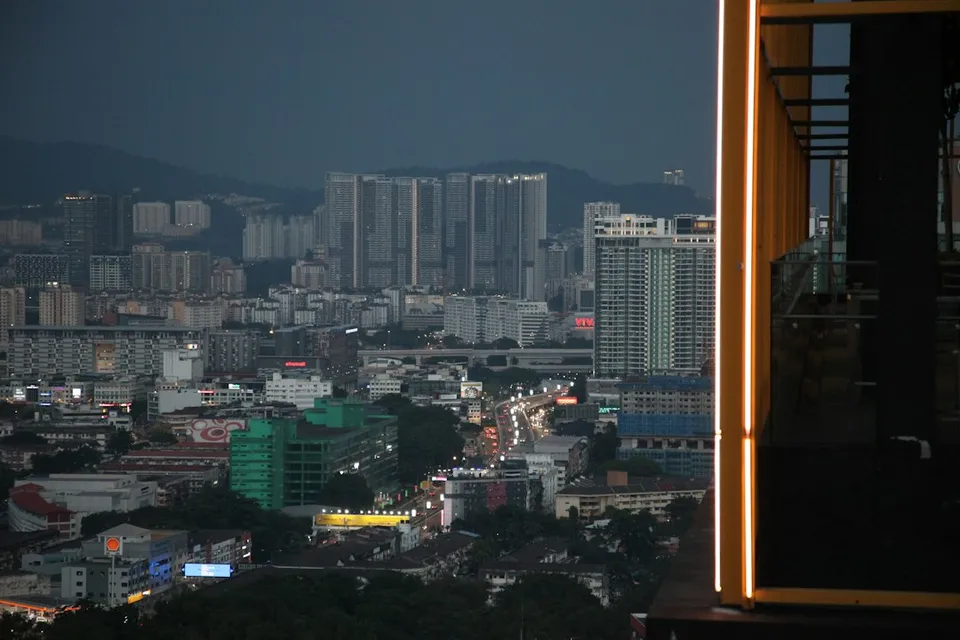
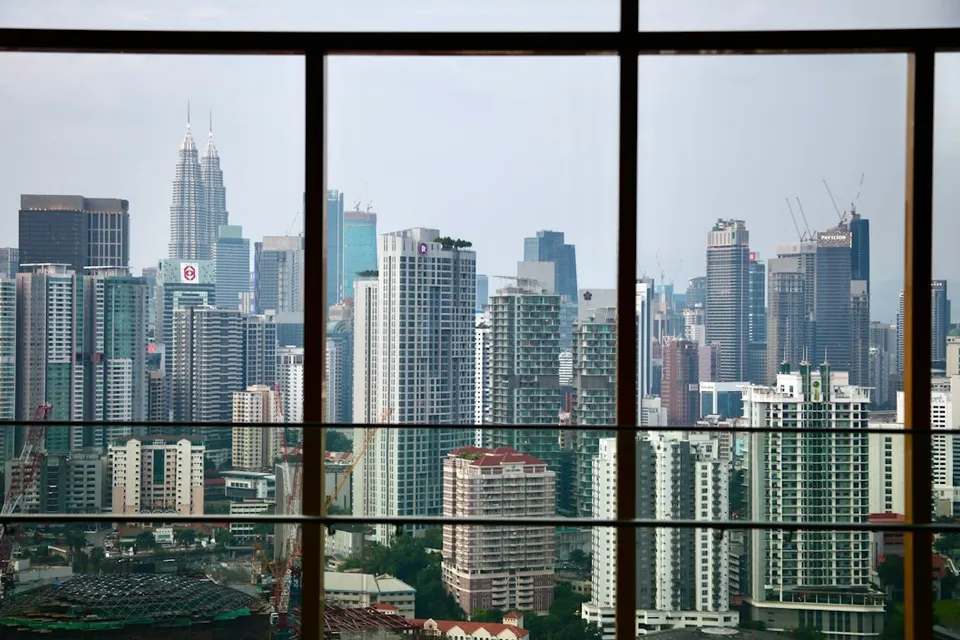
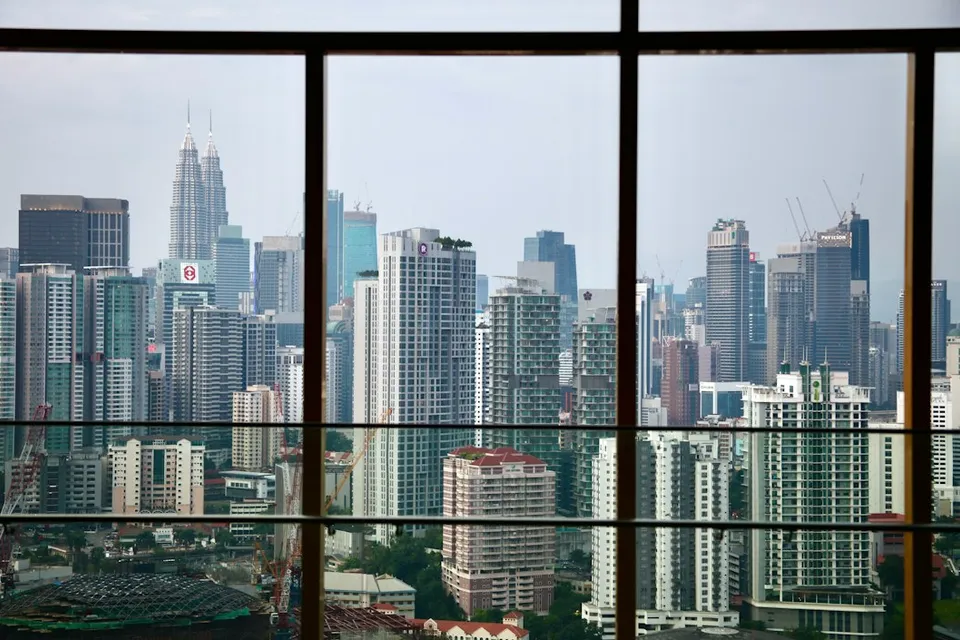
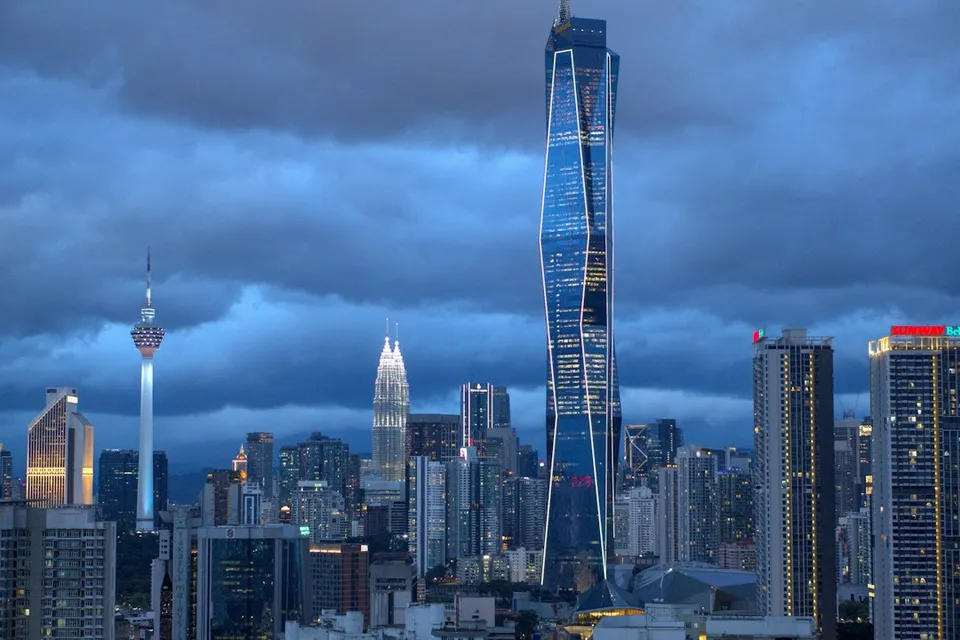
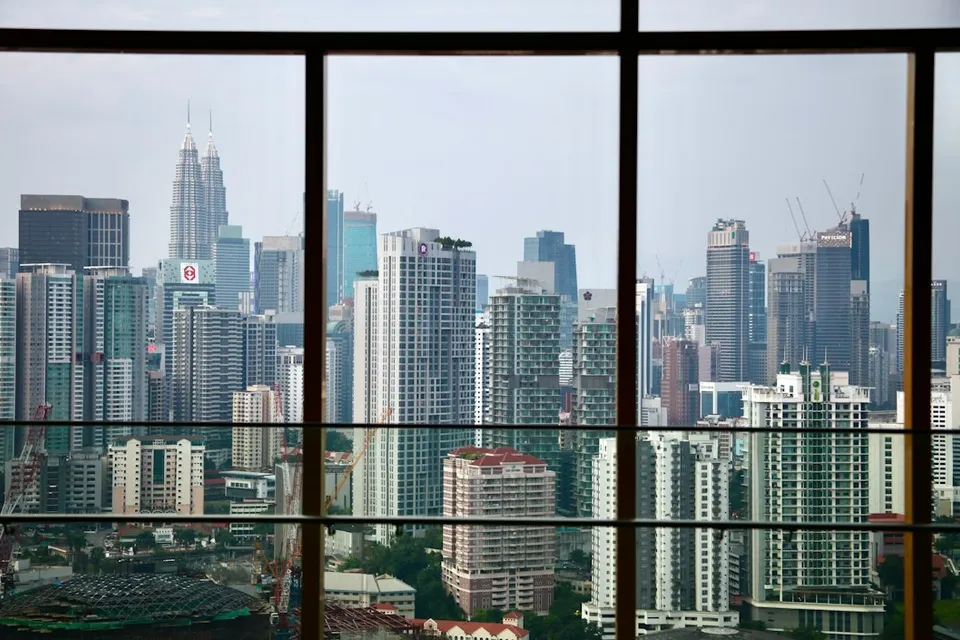
Malaysia is a captivating destination that bridges the gap between modern city development and untamed natural beauty. Spanning two main landmasses separated by the South China Sea, the country offers a unique blend of experiences. Visitors can explore the high-tech skyline of Kuala Lumpur, characterized by the iconic Petronas Twin Towers, before retreating to the serene landscapes of northern or southern regions. The country is well-regarded for its cultural diversity, which is reflected in its architecture, festivals, and culinary scene.
A typical journey through Malaysia often involves a mix of environments. In the capital, Kuala Lumpur, travellers engage with world-class infrastructure such as the KL Tower, Aquaria KLCC, and massive indoor theme parks like Skytropolis. Moving beyond the concrete, the country opens up into vast rainforests and island archipelagos. Borneo is a major draw for those seeking wildlife encounters and jungle treks. Meanwhile, islands such as Langkawi provide a tropical beach environment suitable for relaxation or water sports. For those seeking coastal phenomena, tours in Kuala Selangor offer glimpses of fireflies and the unique sky mirror effect at low tide.
Malaysia experiences a tropical climate, which means it is generally warm and humid throughout the year. The west coast, including Kuala Lumpur and Langkawi, is best visited from November to August, while the east coast is ideal from March to October. Travelers should account for monsoon seasons when planning trips to specific coastal areas to ensure optimal weather for beach activities and island tours. Navigating the country is streamlined by a robust network of domestic flights and high-quality road infrastructure. Domestic travel is efficient, allowing visitors to hop between the city, the highlands, and the islands with minimal downtime. For multi-country travellers, Malaysia acts as a central hub that connects easily with regional neighbors like Singapore and Thailand. Whether you are planning a short city break or an extended exploration of the rainforests, the variety of transport options ensures that moving between distinct regions remains a straightforward part of the itinerary.
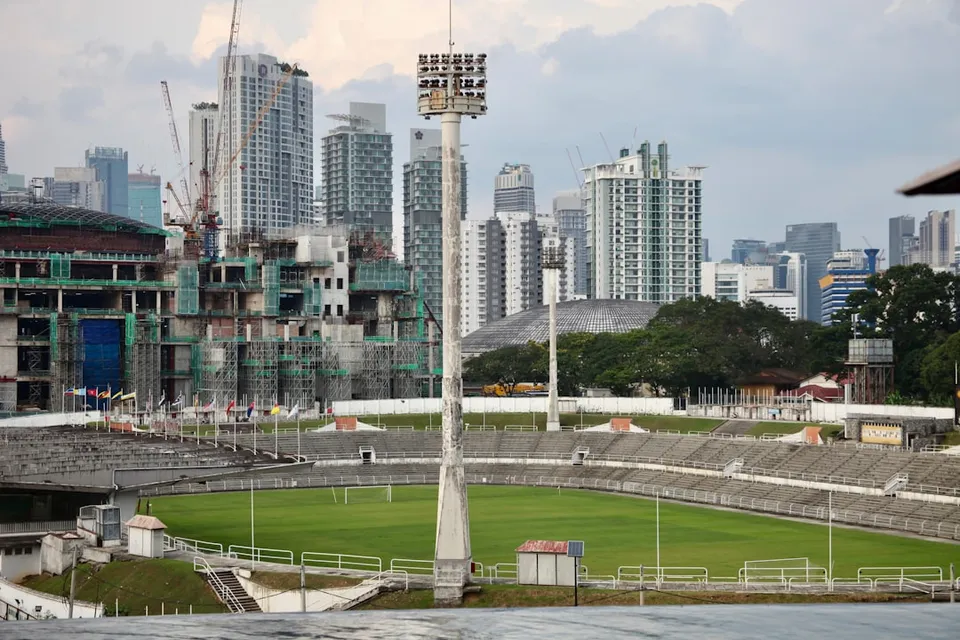
The capital region — Kuala Lumpur, hill stations and Putrajaya.
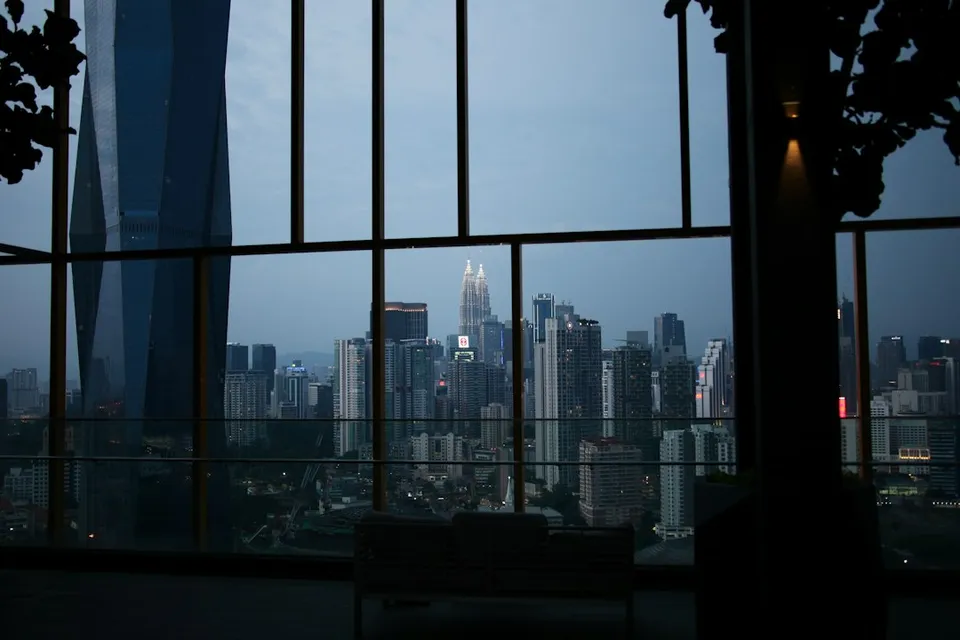
Islands and heritage of the north — Penang food and Langkawi beaches.
Historic Malacca, Johor's parks and east-coast islands.
Tea plantations, strawberry farms and cool mountain air.
East-coast beach resort strip with water parks and golf.
Cool hilltop of theme parks, a casino and the SkyWay cable car.
The country offers a mix of modern urban environments in Kuala Lumpur, pristine islands like Langkawi, and ancient rainforests in Borneo.
Malaysia is celebrated for its multicultural society and fusion of traditions.
Halal and vegetarian food options are widely available throughout the country.
Short internal flight paths and robust domestic transport networks make it easy to visit multiple regions during one trip.
The country serves as a convenient gateway for multi-country itineraries involving nearby Singapore and Thailand.
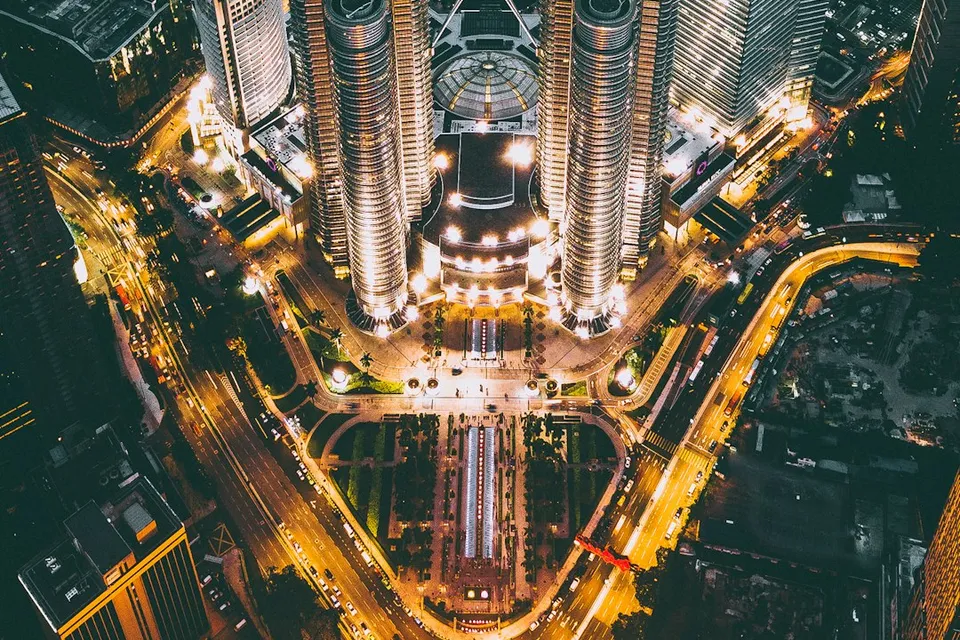
What a 3-night Kuala Lumpur plus 3-night Langkawi honeymoon costs a couple from India: flights, Pantai Cenang versus Datai Bay resorts, and the extras you pay for yourself.
What a Malaysia trip really costs from India: line-item budgets for a couple, a family and a solo traveller, priced in rupees for September 2026.
Indians can enter Malaysia visa free until 31 December 2026, but the free MDAC form is compulsory and KLIA immigration can still turn you back without the right documents.
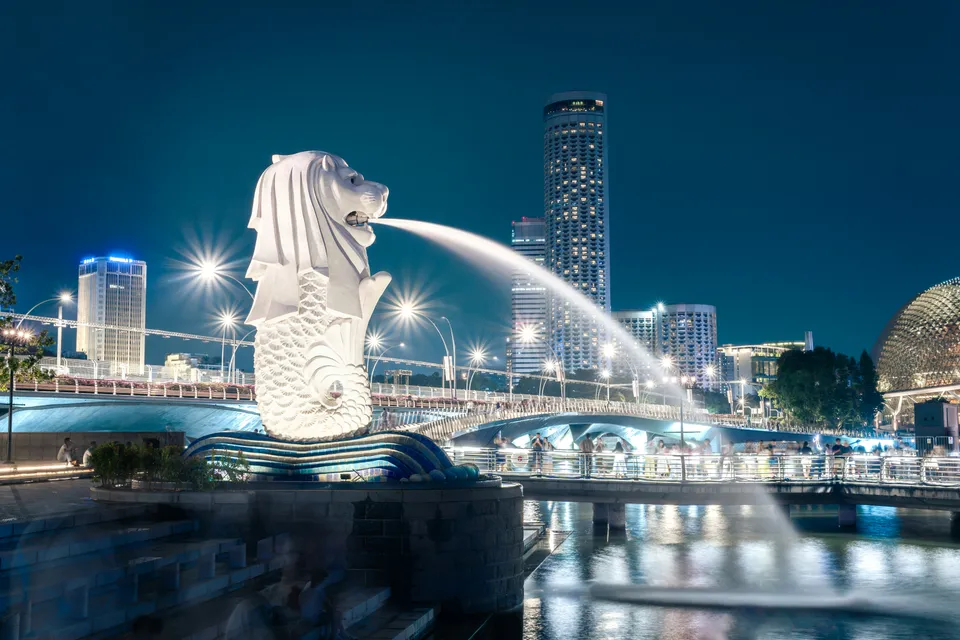
What a 4 night Singapore plus 2 night Kuala Lumpur package costs in rupees: hotels, flights, the border crossing, and which attractions, like Universal Studios and Genting, cost extra.
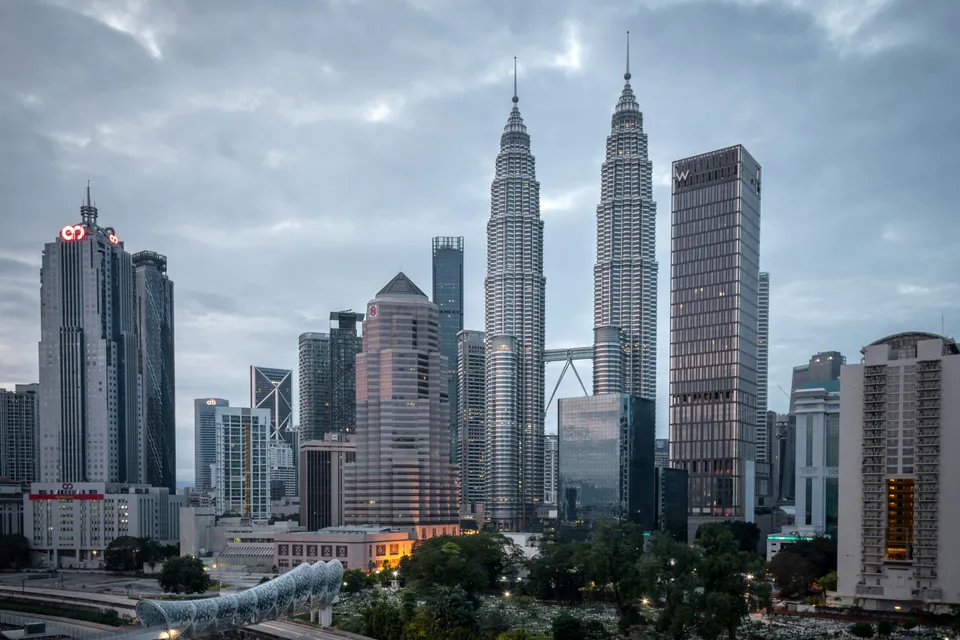
Choosing where to stay in Kuala Lumpur comes down to four primary hubs: KLCC for modern convenience, Bukit Bintang for shopping and nightlife, Chinatown for budget travel, and Bangsar for a local residential vibe.
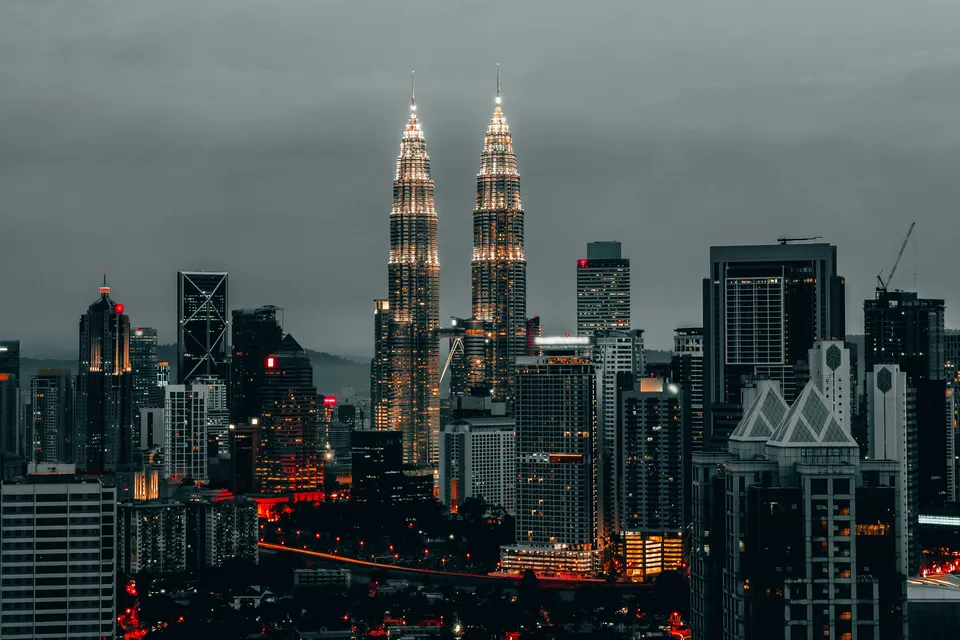
This guide breaks down the costs and trade-offs for trains, buses, and private transfers from KLIA and KLIA2 to central Kuala Lumpur.
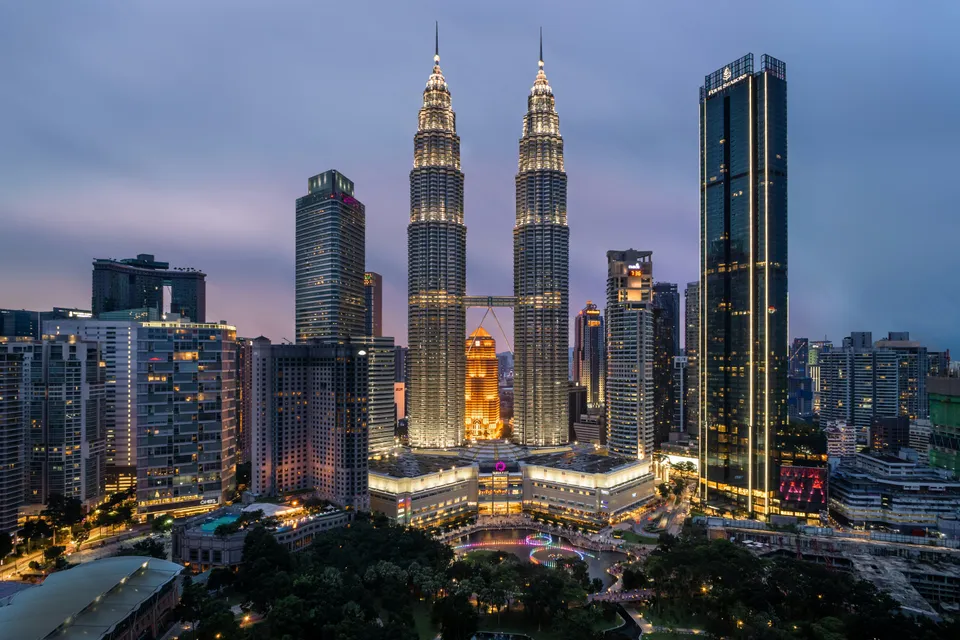
Public transport is the cheapest way to navigate Kuala Lumpur, while ride-hailing via Grab and fixed-fare taxis offer varied convenience and pricing depending on your route and group size.