
No packages found for Tbilisi currently.
Must-See & Do
Top attractions and experiences in Tbilisi.
Sulphur baths
The Abanotubani district features historic domed structures fed by natural hot springs.
Narikala Fortress
This ancient fortress overlooks the city from Sololaki Hill and offers views of the Kura River.
Old Town architecture
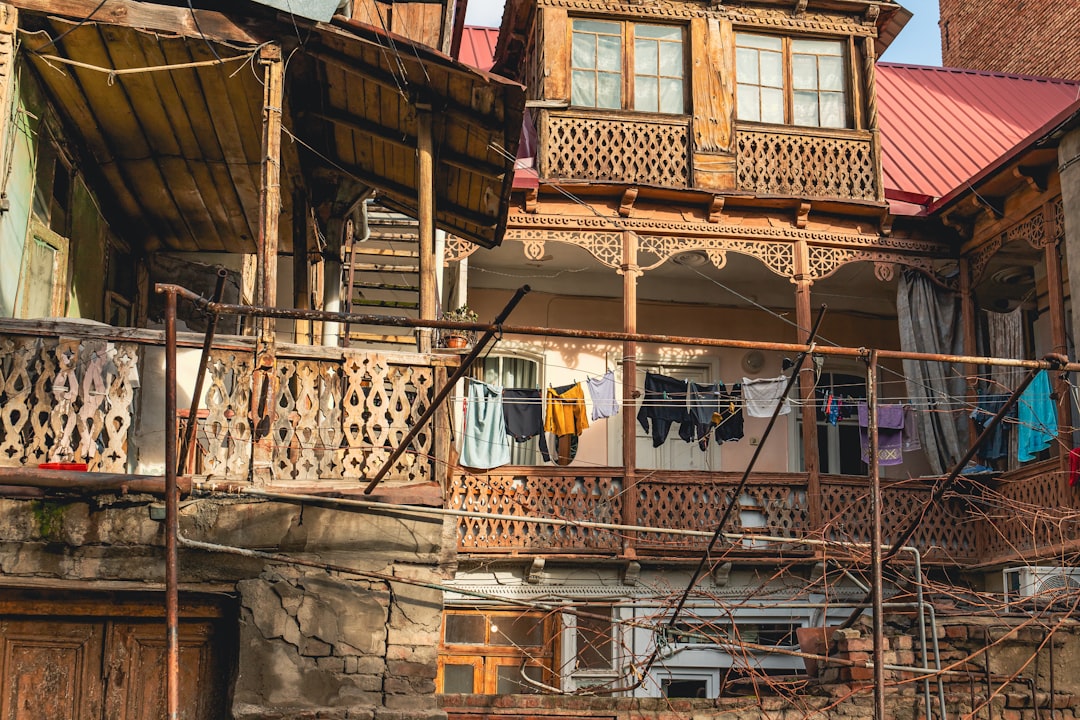
The historic center contains a mix of Eastern Orthodox churches, ornate balconies, and winding streets.
Kura River
The Mtkvari River flows through the center of Tbilisi and serves as a geographic focal point for the city.
About Tbilisi
Everything you need to know before you go.
Exploring Tbilisi Tbilisi is the capital and largest city of Georgia, located on the banks of the Kura River. The city serves as a junction between Europe and Asia, resulting in a distinct cultural blend that is evident in its architecture, cuisine, and social traditions. The urban landscape is defined by its dramatic topography, with hills providing a backdrop to the dense central districts. The heart of the city is the Old Town, known locally as Dzveli Tbilisi. This area is characterized by its narrow, winding streets and houses featuring colorful, ornate wooden balconies. The district is home to the Abanotubani area, famous for its cluster of historic brick domes that house public sulphur baths. These baths have been a part of city life for centuries and continue to be a primary site for visitors and locals alike. Overlooking the Old Town is the Narikala Fortress. Originally established in the 4th century, the fortification provides an elevated vantage point to observe the city layout. Visitors can reach the fortress area via a cable car system that crosses the river, offering a perspective on the modern and historic sections of the city from above.
When to Visit Tbilisi experiences a humid subtropical climate, characterized by warm summers and relatively mild winters. The most comfortable periods for exploration are during the spring months of April and May, or the autumn months of September and October. During these times, temperatures are generally moderate, making it suitable for walking tours and outdoor activities. Summers can reach high temperatures, which often leads to locals leaving the city for the surrounding mountain regions. Winters are cool but rarely experience extreme snowfall, though they provide a quieter atmosphere for visiting museums and indoor cultural sites.
Moving Around the City Navigating Tbilisi is facilitated by a multi-modal transport system. The Tbilisi Metro consists of two main lines that connect major residential areas with the city center. It is an efficient way to cross the city quickly. For shorter distances and sightseeing, the bus network is comprehensive and covers areas that the metro does not reach. Taxis and ride-sharing applications are widely used and provide a convenient way to travel between specific locations, particularly when moving between the hilly districts. While the Old Town is best explored on foot due to its pedestrian-friendly nature, comfortable shoes are recommended for the steep streets and uneven historic pavements.
More ways to plan Tbilisi
Things to do by interest, and packages from your departure city.
Things to do in Tbilisi
Browse Tbilisi experiences by interest - adventure, cultural, romantic and more.
Frequently Asked Questions
Everything you need to know about Tbilisi.
What is the best time of year to visit Tbilisi?↓
Spring and autumn are considered the best times to visit due to mild temperatures, though summers can be hot.
Is Tbilisi a walkable city?↓
The historic Old Town is compact and walkable, while the wider city is connected by an extensive metro and bus network.
Do I need a visa to enter Georgia?↓
Visa requirements depend on your nationality, so check official government sources before planning your trip.
What currency is used in Tbilisi?↓
The official currency of Georgia is the Lari.