
 ₹49,506
5 Nights 6 Days Hanoi
5 nights · November
Bays, mountains, and authentic experiences.
₹49,506Tap any package, or just tell us your month and budget.
Live availability, room options and the final all-in price, usually within the hour.
Secure payment, vouchers and transfer details sent straight to your phone.
Yes, Indian passport holders require a tourist visa to visit Vietnam. The official and most convenient method is the official government e-Visa applied for online at evisa.gov.vn. The e-Visa is available as a 30-day or 90-day single-entry or multiple-entry visa. The official fee is USD 25 for single entry and USD 50 for multiple entry, payable online by credit or debit card, with standard processing taking 3 to 5 business days. Your passport must have at least six months validity beyond your planned arrival date and at least two blank pages. Direct flights operate daily between Delhi, Mumbai, Bengaluru, and Ahmedabad to Hanoi and Ho Chi Minh City via IndiGo, Air India, and Vietjet.
Vietnam's best travel timing varies by region due to its elongated north-to-south geography. Overall, February to April offers the most balanced weather across the country. Northern Vietnam (Hanoi, Ha Long Bay, Sapa) is best from September to January when it is cooler and drier. Central Vietnam (Hoi An, Da Nang, Hue) is best from February to August to avoid the autumn flooding and typhoon season. Southern Vietnam (Ho Chi Minh City, Mekong Delta, Phu Quoc) is best during the dry season from December to May.
The Vietnamese Dong (VND) is the official currency. Banknotes range from 1,000 to 500,000 VND, and it is important to double-check notes as several denominations look similar. Cash is essential for street food, local markets, temple donations, and small vendors. Credit cards (Visa, Mastercard) are accepted at most hotels, modern restaurants, and shopping centres. ATMs are available in all cities and tourist towns. Digital wallets like Grab Pay and Momo are popular but generally require a Vietnamese phone number to set up.
For long-distance travel between cities, Vietnam Airlines, Vietjet, and Bamboo Airways offer frequent and affordable domestic flights. The Reunification Express train is a scenic and comfortable option connecting Hanoi and Ho Chi Minh City, passing through Hue, Da Nang, and Nha Trang. Sleeper buses are a budget-friendly option for overnight intercity journeys. Within cities, the Grab ride-hailing app is the safest and most reliable option for taxis and motorbike rides, with upfront pricing that eliminates haggling. In smaller towns and rural areas, xe om (motorbike taxis) and local tuk-tuk style vehicles are common.
Vietnam is considered very safe for tourists with a low rate of violent crime. Common issues are petty theft such as bag snatching from motorbikes in busy areas like Hanoi's Old Quarter and Ho Chi Minh City's Ben Thanh Market, so keep bags in front of you and avoid using your phone openly on crowded streets. Traffic is the most significant safety risk; roads, particularly in cities, are busy with motorbikes and require careful pedestrian awareness. Always use Grab rather than unmarked taxis to avoid overcharging.
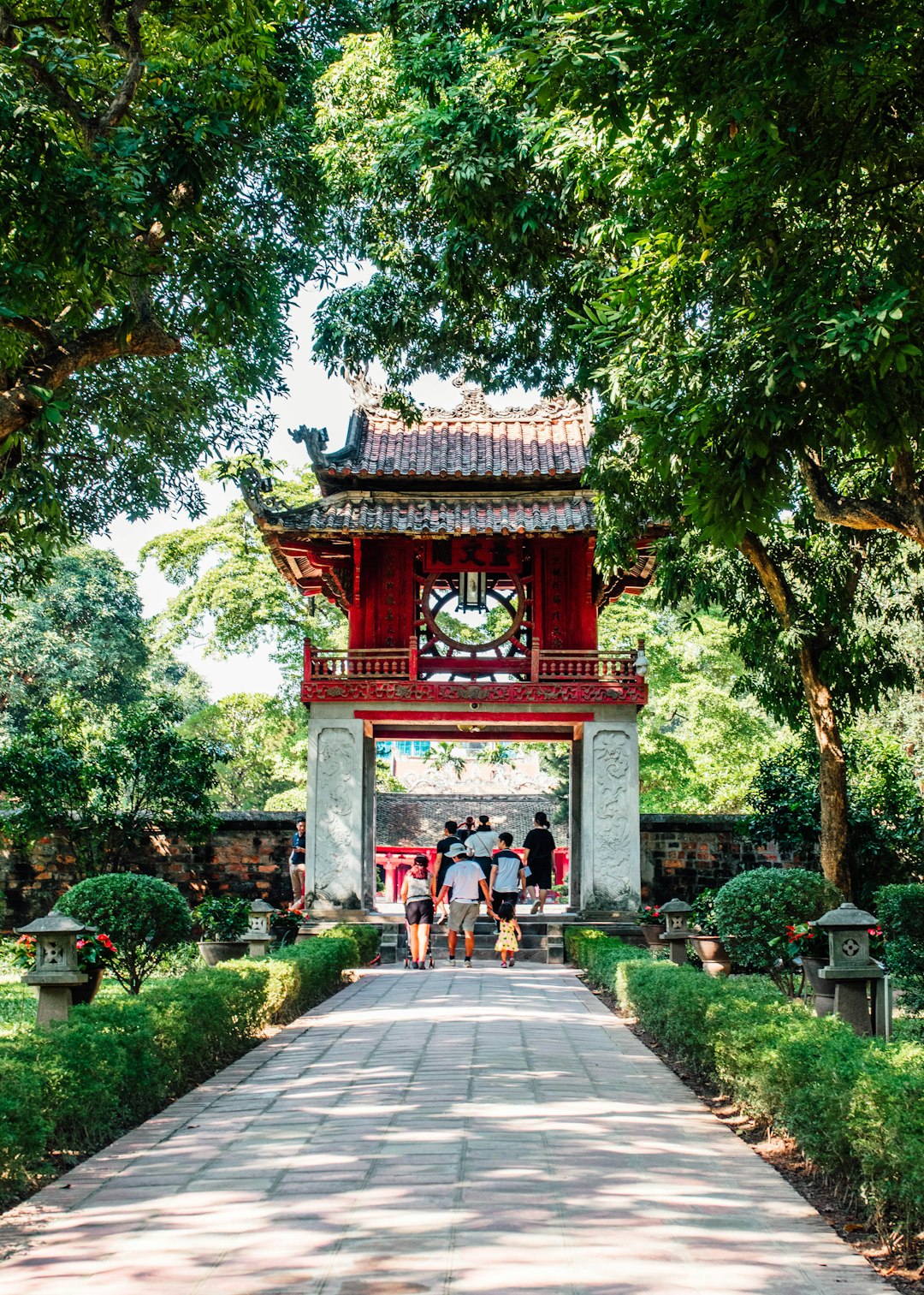
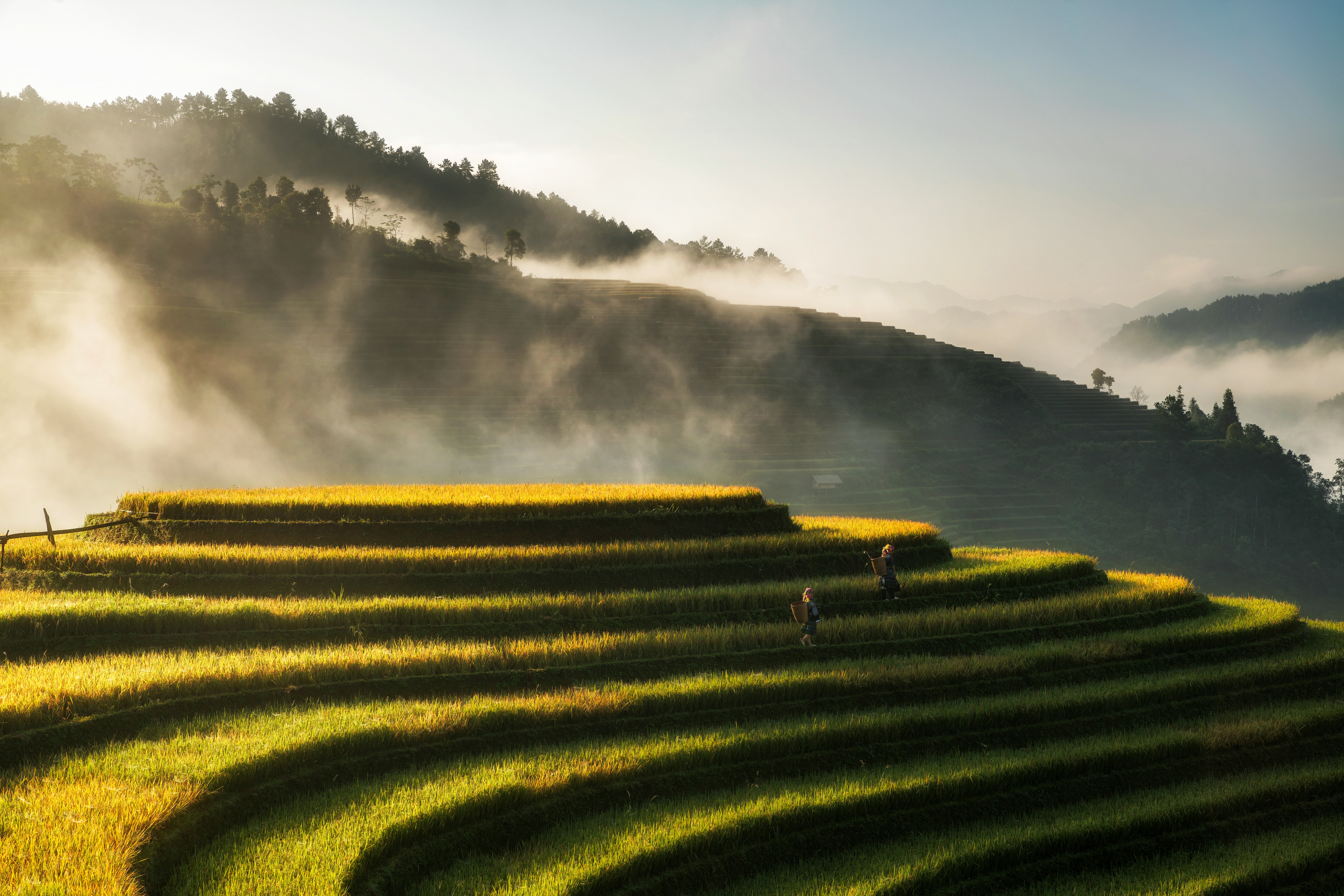
Vietnam's highlights include Hanoi (the charming capital with Hoan Kiem Lake, Temple of Literature, and the Old Quarter street food scene), Ha Long Bay (UNESCO-listed bay of thousands of limestone islands, best explored on an overnight cruise), Sapa (highland terraced rice fields and minority village trekking), Hoi An (a beautifully preserved ancient trading port famous for tailoring and lanterns), Hue (imperial citadel and royal tombs along the Perfume River), Da Nang (beach resort with the Golden Bridge), Ho Chi Minh City (dynamic southern metropolis, War Remnants Museum, Cu Chi Tunnels), and Phu Quoc island.
Vietnamese cuisine is internationally celebrated for its freshness, herbs, and balance of flavours. Must-try dishes include pho (the national noodle soup of beef or chicken broth with fresh herbs), banh mi (a French-inspired baguette sandwich with fillings including pate, pickled vegetables, and fresh herbs), bun cha (Hanoi-style grilled pork with vermicelli and dipping broth), cao lau (thick noodles with pork and greens unique to Hoi An), banh xeo (crispy savoury pancake), and fresh spring rolls (goi cuon). Street food is central to Vietnamese culture and exploring local markets and hawker streets is one of the top travel experiences.
Dress modestly when visiting temples, pagodas, and communal halls (dinh). Remove shoes before entering religious sites and many traditional homes. In northern regions particularly, a reserved and respectful demeanour is appreciated. Bargaining is acceptable and expected in markets, but maintain a friendly and light-hearted tone. Avoid raising your voice or showing anger. Offering and receiving items with both hands is a sign of respect. Photographing religious ceremonies and minority villagers should be done with permission.
Vietnamese is the official language. In major tourist cities and well-travelled destinations like Hoi An and Ha Long Bay, English is widely spoken by guesthouse, restaurant, and tour operator staff. In rural areas and smaller towns, Vietnamese-only speakers are more common, so a translation app with offline Vietnamese capability is helpful. Some older residents in northern Vietnam may speak French from the colonial period. Young Vietnamese are increasingly learning English, making communication in cities easier year by year.
Stick to bottled or filtered water throughout your visit, even in reputable restaurants. In rural and highland areas, use mosquito repellent to protect against dengue fever, which is endemic to Vietnam particularly in the wet season. Malaria prophylaxis may be advised for trekking in very remote highland border areas; consult a travel health clinic before departure. Private hospitals in Hanoi and Ho Chi Minh City have high standards with English-speaking doctors. Comprehensive travel insurance covering medical evacuation is essential.
Vietnam is one of Southeast Asia's most affordable destinations. Budget travelers staying in dormitory hostels, eating street food, and using local transport can manage on approximately USD 20 to 30 (roughly 1,700 to 2,500 INR) per day. Mid-range travelers using private hotel rooms and sitting-down restaurants typically spend USD 50 to 90 per day. A short overnight Ha Long Bay cruise starts from around USD 60 to 80 per person, while premium two-day cruises on luxury vessels range from USD 200 to 400 per person. Domestic flights between cities can be as low as USD 20 to 30 if booked in advance.
Travel insurance is not a formal entry requirement for Vietnam, but it is strongly recommended. Quality private medical care is available in major cities, but treatment for emergencies and evacuation from remote areas can be costly without insurance. A policy covering hospitalisation, medical evacuation, personal liability, and trip cancellation is advisable.
An overnight cruise on Ha Long Bay is one of Vietnam's most iconic travel experiences. Cruises range from budget junk boats to premium luxury vessels. A minimum of two days and one night is recommended to see the main highlights including kayaking through caves and floating villages. Quality budget cruises start from approximately USD 60 per person per night, while luxury overnight cruises on vessels with private balcony cabins range from USD 150 to 350 per person per night. Book through a verified operator and check independent traveler reviews, as the quality of budget operators varies significantly.
Tap water in Vietnam is not safe for direct drinking. While municipal water is treated at treatment plants, aging pipes and rooftop holding tanks can cause contamination. Always drink boiled or bottled water. Bottled water is cheap and sold everywhere. Using tap water for brushing teeth is generally fine for most travelers, but avoid swallowing it.
In Vietnam, emergency contact numbers are 113 for Police, 115 for Ambulance and Medical Emergencies, and 114 for Fire and Rescue. Calls from any mobile phone or landline are free. In major tourist cities, hotel reception staff or tour guides can assist with translation as emergency dispatchers may only speak Vietnamese.
To drive legally in Vietnam, tourists must hold an International Driving Permit (IDP) issued specifically under the 1968 Vienna Convention alongside their home national license. Driving without a valid 1968 IDP and local motorcycle endorsement invalidates travel medical insurance in the event of an accident. Traffic is dense and chaotic; taking Grab taxis or booking guided Easy Rider motorbike tours is far safer for visitors.
Vietnam primarily uses Type A (two flat pins), Type C (two round pins), and universal combination sockets that accommodate both, operating on 220 volts at 50 Hz. Standard mobile phone and laptop chargers work without an adapter in most modern hotels.
Tipping is not customary or expected in Vietnam in everyday life. In tourist-heavy cities like Hanoi, Hoi An, and Ho Chi Minh City, leaving a small tip of 10 to 15 percent at sit-down restaurants or rounding up taxi fares is appreciated for attentive service. Tipping private tour guides (USD 5 to 10 per day) and boat rowers (USD 1 to 2) is customary.
Crossing streets crowded with hundreds of motorbikes in Hanoi or Ho Chi Minh City can be intimidating. The proven technique is to step off the curb with confidence, walk at a steady and predictable pace without stopping suddenly or making erratic movements, and allow motorbike riders to anticipate your path and steer around you. Look drivers in the eye and avoid stepping backwards.
High-speed 4G and 5G prepaid SIM cards and eSIMs from top operators Viettel, Vinaphone, and Mobifone are inexpensive and can be purchased at international airports in Hanoi, Da Nang, and Ho Chi Minh City. Passport registration is legally required at the counter. Viettel provides the strongest coverage in rural areas like Sapa, Ha Giang, and Ninh Binh.
Vietnam is a nation defined by its incredible geographic variety. Stretching along the eastern edge of the Indochinese Peninsula, the country is officially categorised into three distinct regions: North Vietnam, Central Vietnam, and South Vietnam. In the north, the landscape is dominated by rugged mountains and the iconic limestone karsts of Ha Long Bay. As you move south, the terrain transitions into the narrow coastal plains of central provinces, finally opening up into the vast Mekong Delta and tropical island paradises like Phu Quoc in the south. This vertical shape ensures that travellers experience everything from cool, mist-covered mountain passes to sun-drenched beaches within a single journey.
Determining the best time to visit Vietnam depends largely on your itinerary. Because the country spans several latitudes, the climate varies significantly between the north, centre, and south. Generally, the months of March, April, September, and October provide the most consistent weather across the country, balancing the monsoon seasons. The north experiences a distinct winter, where temperatures in mountainous areas can drop significantly, while the south remains hot and humid for most of the year. Always research specific regional forecasts if your trip is focused on a particular activity, such as cruising the northern bays or visiting the southern beaches.
Moving through Vietnam is part of the overall experience. Domestic aviation has grown significantly, making it easy to hop between major hubs like Hanoi, Da Nang, and Ho Chi Minh City. For those who prefer a slower pace, the national rail network runs the length of the country, offering a unique perspective on the changing landscape. For local exploration within cities or regions, private car transfers, taxis, and ride-hailing apps are widely available and reliable. If you are heading to coastal destinations or island resorts, scheduled ferries and cruise tenders provide the necessary connections for an authentic maritime experience. Whether you are navigating the bustling city streets or sailing through the calm waters of the bay, Vietnam offers a range of transport options for every traveller.
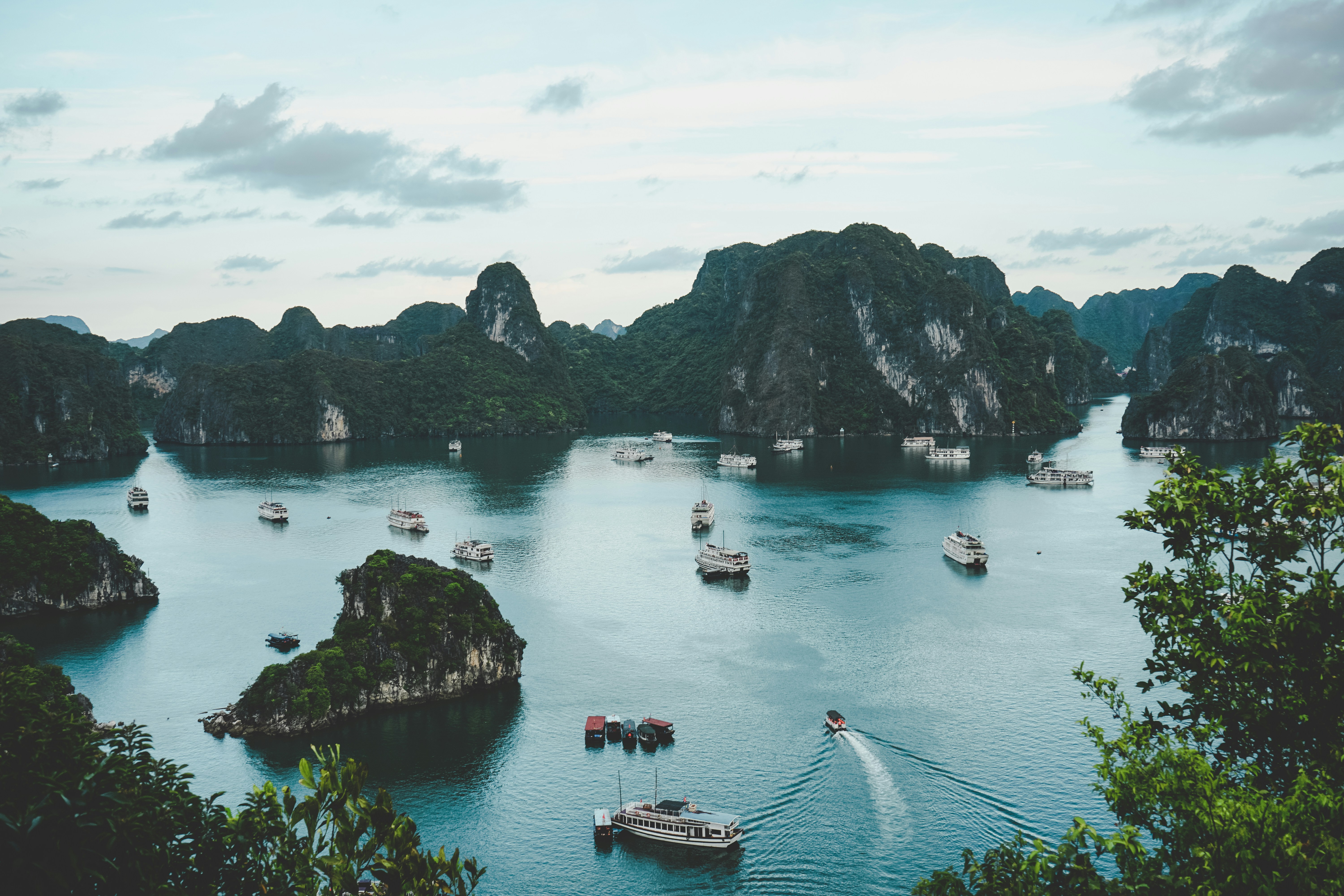
The country is famous for overnight luxury cruises that navigate the limestone karsts of Ha Long Bay.
Vietnam is divided into three distinct regions, spanning from the mountainous north to the tropical islands of the south.
Destinations like Phu Quoc provide opportunities for beach relaxation and coastal exploration.
The country offers a rich history visible in its ancient towns, architectural landmarks, and local culinary traditions.
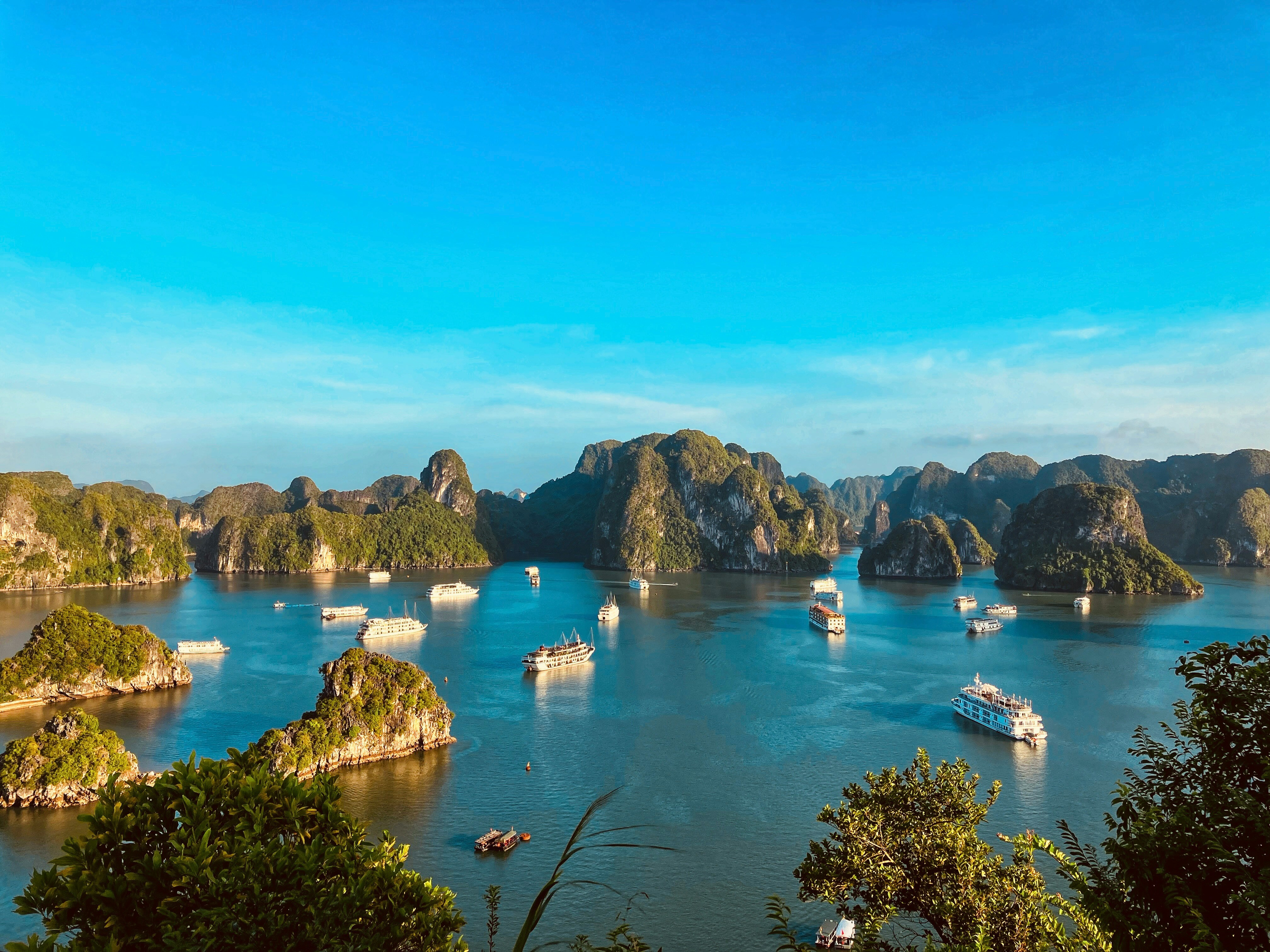
Halong Bay cruise prices in rupees for a day trip, one night and two nights, plus how to get Indian, vegetarian or Jain meals confirmed in writing before you pay.
Five days and four nights in Phu Quoc cost two people from India about Rs 1.05 lakh to Rs 3.34 lakh with flights. Three budget levels, line by line, checked September 2026.
Phu Quoc lets Indians in for 30 days with no visa, but only on the right routing. Here is when the exemption holds, when it breaks, and when to get an e-visa instead.
Five days can't cover all of Vietnam. Pick Hanoi with a bay cruise or Da Nang and Hoi An, and budget roughly Rs 97,000 to Rs 1.48 lakh for two, flights included.
Discover how to navigate the Mekong Delta’s floating markets, traditional coconut factories, and serene Khmer pagodas while experiencing genuine local hospitality.
Planning a trip to Vietnam? Discover why a Viettel-powered eSIM is your best bet for staying connected, how to set it up, and why it beats traditional physical SIM cards.
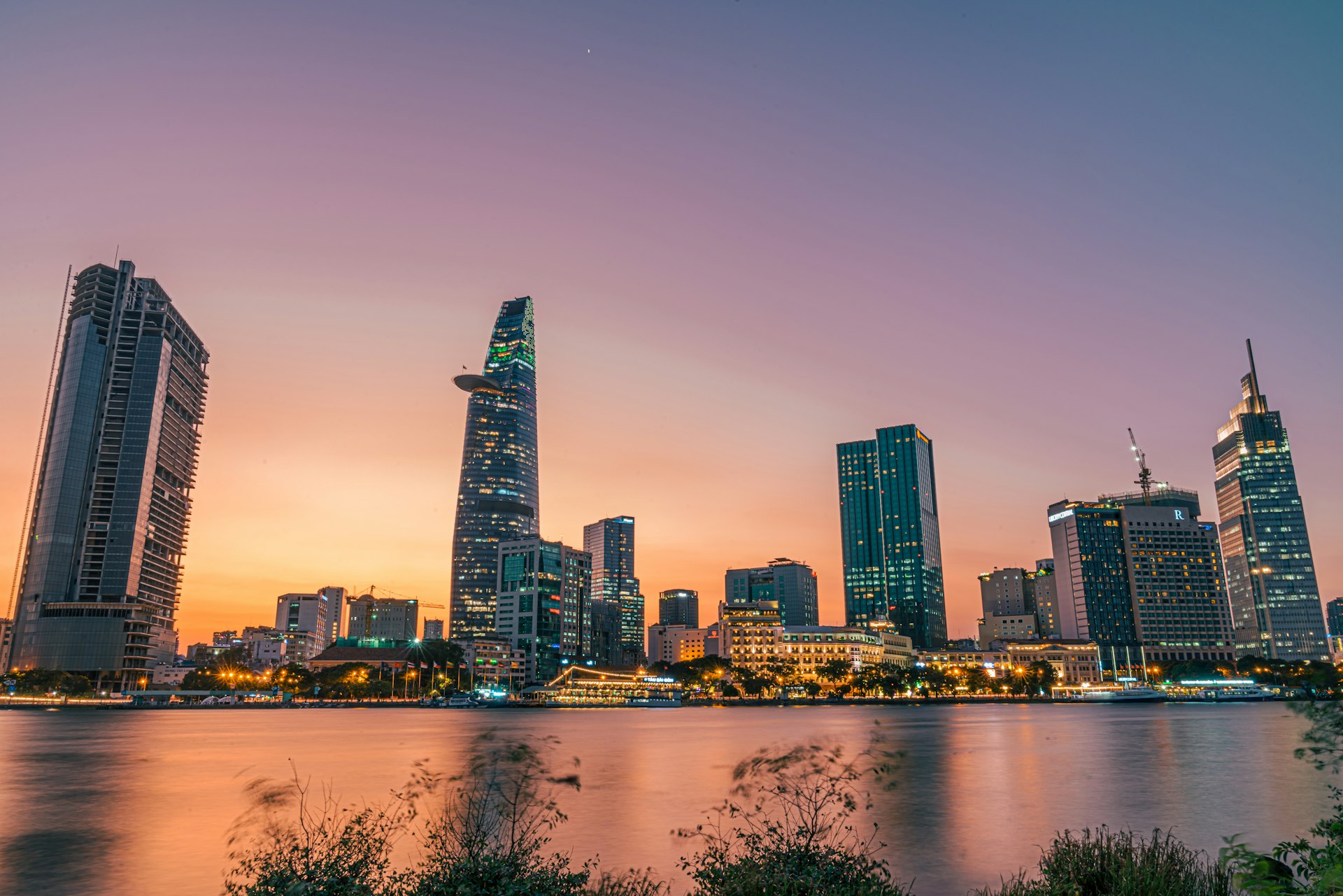
A day-by-day 10 days in Vietnam plan, north to south, with timings, honest trade-offs and food to try.
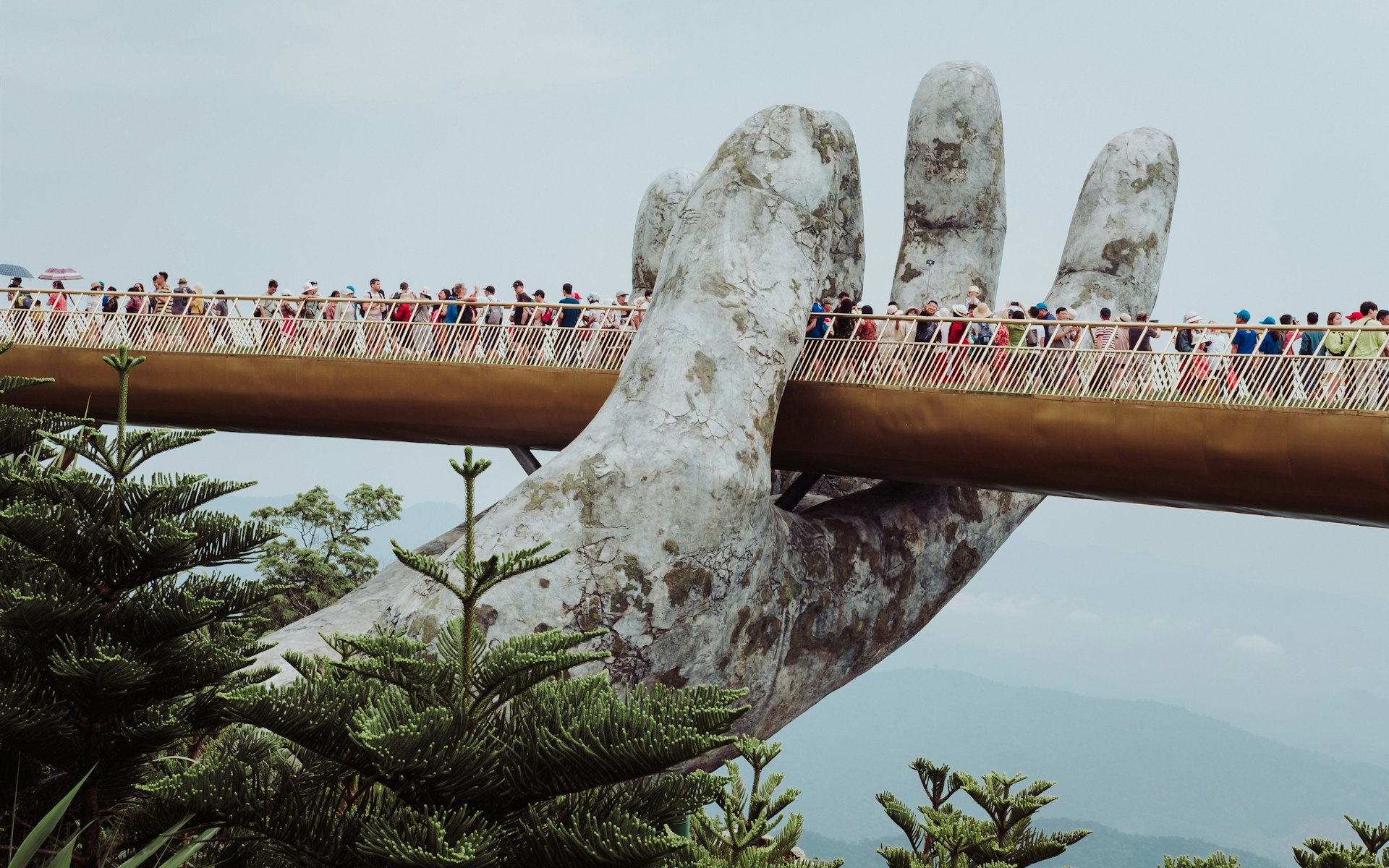
Three honest Vietnam budgets in rupees for Indian travellers: flights, transport, stay, food, day trips, e-visa and insurance.
Browse Vietnam experiences by interest - adventure, cultural, romantic and more.