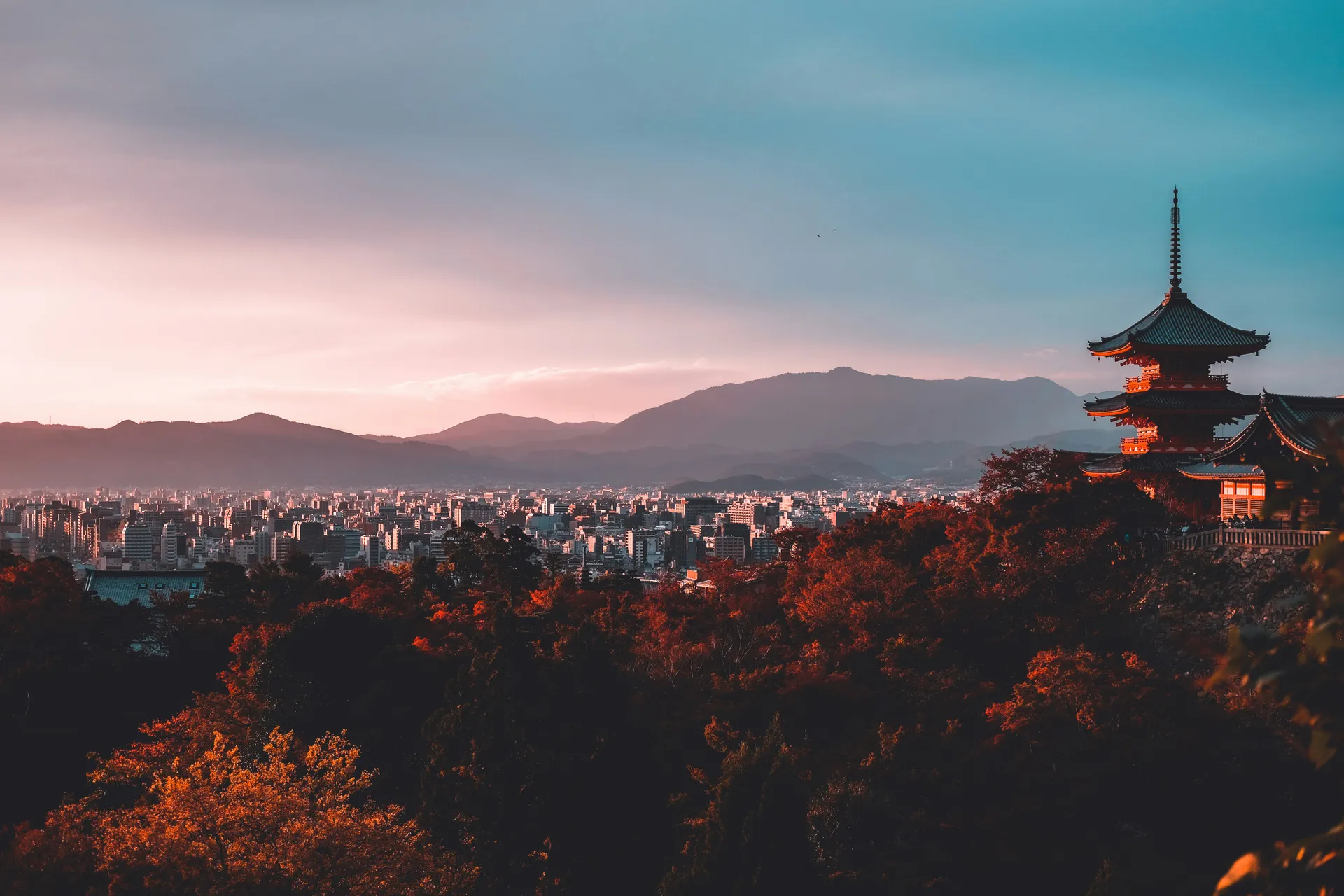
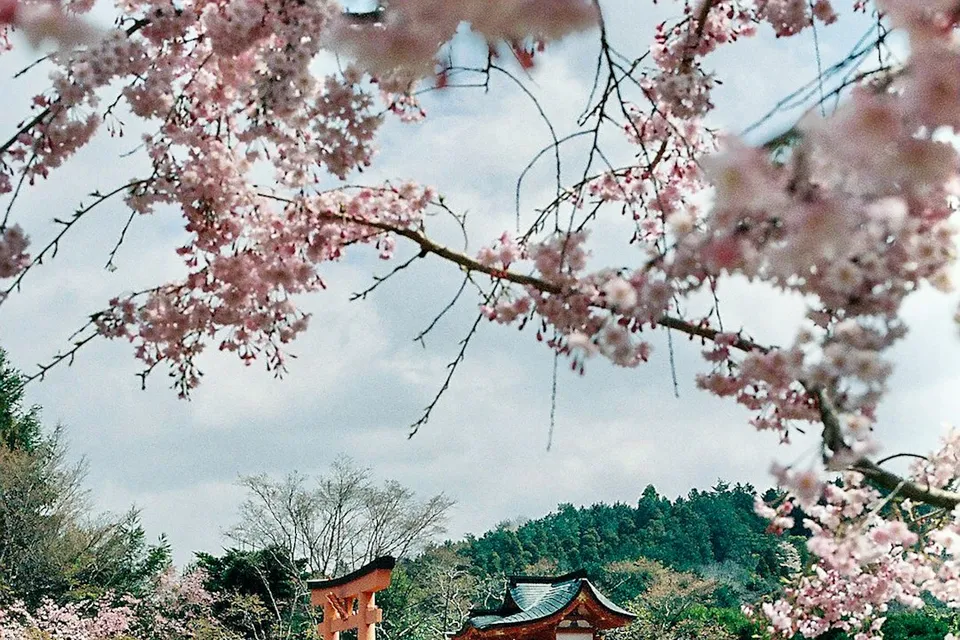
JapanView
7N Japan: Cherry Blossom Special | With Flights Ex Mumbai / Ex Delhi / Ex Bangalore
7 nights4-star hotels
₹2,94,400per adult
A sensible 7-day Golden Route plan balancing temple serenity, bullet train travel, Mount Fuji views, and luggage forwarding without burnout.
By Meera Rao, City Breaks Specialist · · Updated

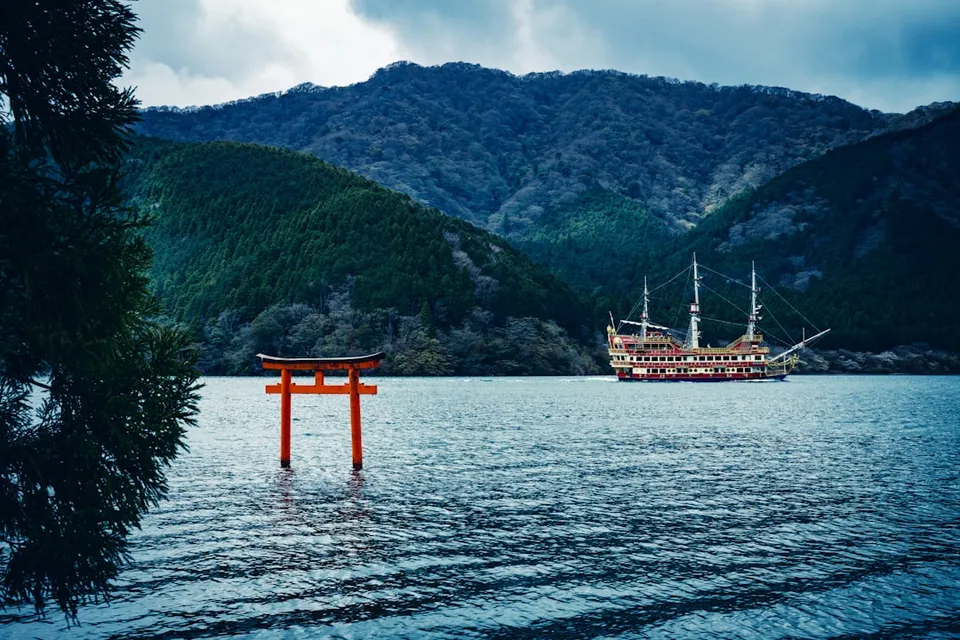
Photo by Su San Lee on Unsplash
When planning your very first trip to Japan from India, the biggest trap is attempting to cram twelve cities into seven days. Japan looks deceptively compact on a map, but every corner is packed with cultural depth, intricate train hubs, and sights that reward unhurried exploration.
Trying to run between Hiroshima, Kanazawa, Hakone, Nara, Kyoto, Osaka, and Tokyo in a single week leaves you exhausted, dragging heavy luggage across cavernous railway stations, and spending more time inside train carriages than experiencing the country.
This realistic 7-day Golden Route itinerary is engineered specifically for first-time Indian travellers. It balances Tokyo's cutting-edge neon energy, the timeless bamboo groves and shrines of Kyoto, an iconic Mount Fuji excursion, and the vibrant food streets of Osaka. Along the way, we include transit secrets, hotel location advice, and the luggage forwarding hack that makes Japanese travel feel effortless.
Before you book your flights, keep this logistical rule in mind:
Land at Haneda or Narita. Clear customs and immigration (make sure to complete the digital disembarkation card on the official Visit Japan Web portal 48 hours before flying to breeze through automated QR gates).
Choose a hotel within a 5-minute walk of a station on the circular JR Yamanote Line. Excellent hubs for first-timers include Shinagawa (ideal for bullet train departures), Shinjuku (bustling nightlife and dining), or Ueno (direct airport trains and value business hotels like Sotetsu Fresa Inn or Dormy Inn).
Check into your hotel, unpack, and take the Yamanote Line to Shibuya. Walk across the iconic Shibuya Scramble crossing alongside thousands of pedestrians. Head up to Shibuya Sky, the open-air 360-degree rooftop observation deck perched 229 meters above the crossing (book your sunset slot online at least two weeks in advance). Grab your first bowl of hot ramen or a quick meal at a local cafe and rest early to beat jet lag.
Start early around 7:30 AM before tourist tour buses arrive. Walk through the giant red Kaminarimon (Thunder Gate) and explore Senso-ji, Tokyo's oldest Buddhist temple founded in 645 AD. The adjacent Nakamise-dori shopping street begins opening at 9:00 AM, offering fresh Ningyo-yaki bean cakes and Japanese paper crafts.
Take the Ginza line to Toyosu for your reserved slot at teamLab Planets. This world-famous immersive digital art museum requires walking barefoot through knee-high illuminated water, infinite crystal rooms, and floating flower gardens. It is one of the most memorable visual experiences anywhere in Asia.
Spend the late afternoon in Akihabara. Wander through multi-story electronics department stores like Yodobashi Akiba, explore retro video game arcades at Mandarake, and soak in Tokyo's anime and gaming subculture.
Take the subway to Harajuku Station and enter the tranquil 170-acre forested sanctuary of Meiji Jingu Shrine. Dedicated to the deified spirits of Emperor Meiji and Empress Shoken, the massive wooden torii gates and gravel pathways offer complete serenity in the middle of modern Tokyo.
Head to Ginza, Tokyo's premier shopping district. Ginza features wide avenues lined with flagship boutiques, the historic Wako clock tower, and mega-department stores like Ginza Six and Mitsukoshi.
With the weak Yen (1 JPY = 0.61 INR), Ginza and nearby Yurakucho are prime spots for watch buyers, cosmetics collectors, and luxury fashion. For an in-depth breakdown of duty-free savings and the new departure refund rules, check our detailed guide to shopping in Japan for Indians: weak Yen deals and tax refunds.
Seeing Mount Fuji in clear weather requires planning around the morning hours. Afternoon cloud cover often hides the peak, so taking an early train or bus from Tokyo gives you the highest chance of clear visibility.
Catch the late afternoon train back to Tokyo and pack your bags for the journey to western Japan.
₹2,94,400per adult
Do not drag heavy 28-inch suitcases onto the Shinkansen. The bullet trains have strict size regulations for oversized baggage requiring prior seat reservations.
Instead, on the evening of Day 4, speak to your Tokyo hotel front desk and ask for Yamato Transport (Black Cat Ta-Q-Bin). For roughly ¥2,500 to ¥3,500 (~₹1,500 to ₹2,100) per suitcase, Yamato picks up your luggage and delivers it directly to your Kyoto hotel lobby by the next morning. You travel hands-free on the bullet train carrying only a small backpack with your daily essentials.
Board the Tokaido Shinkansen (Nozomi or Hikari train) from Tokyo or Shinagawa Station to Kyoto Station. The journey takes just 2 hours and 15 minutes, cruising smoothly at 285 km/h. If travelling on a clear day, book seats on the right side of the train (seats D and E) for views of Mount Fuji as you speed past Shizuoka.
Do not waste money on an expensive 7-day nationwide JR Pass for this route. After the recent price hikes, individual point-to-point tickets save you over ₹12,000 per person. Review the exact fare math in our analysis on whether the JR Pass is worth it post price-hike.
Arrive in Kyoto, check into your hotel near Kyoto Station or Kawaramachi, and take the local JR Nara Line two stops to Inari Station. Walk through the hypnotic tunnels of thousands of vermilion torii gates winding up Mount Inari. The late afternoon light filtering through the red cedar wood creates extraordinary photos.
In the evening, take a leisurely stroll through Gion's Shirakawa Canal and Hanami-koji street, where lantern-lit traditional wooden Machiya townhouses line stone lanes.
Wake up early and arrive at Arashiyama by 7:30 AM before the crowds. Walking through the towering, rustling stalks of the Bamboo Grove in silence is a deeply peaceful experience. Visit the adjacent Tenryu-ji Temple, renowned for its 14th-century Zen landscaped garden reflecting the surrounding mountains.
Take a short taxi or city bus to Kinkaku-ji. The top two floors of this Zen temple are completely covered in pure gold leaf, glowing brilliantly across the mirror pond.
Head into central Kyoto and explore Nishiki Market, a narrow 400-meter shopping street packed with over a hundred food stalls offering grilled dango rice cakes, roasted tea, and Japanese pickles.
If you have dietary restrictions or follow a strict vegetarian or Jain diet, navigating Japanese seasonings requires attention. Read our complete guide to Indian vegetarian and Jain dining in Japan to avoid hidden fish stocks and discover top pure-veg restaurants.
Kyoto and Osaka are sister cities separated by just 30 minutes on the JR Special Rapid train (fare is only ¥580 / ~₹350). Check out of Kyoto and head into central Osaka.
Visit the imposing Osaka Castle, surrounded by massive stone moats and cherry orchards. Ascend to the top observation platform for panoramic views across Kansai.
Head south to Namba and Dotonbori, Japan's indisputable street food capital. Pose with the iconic neon Glico Running Man sign, watch mechanical crab signs move above storefronts, and explore the covered shopping arcade of Shinsaibashi-suji.
From Namba Station, board the Nankai Rapi:t Airport Express train directly to Kansai International Airport (KIX) in 34 minutes (¥1,490 / ~₹900). Scan your tax-free shopping receipts at airport kiosks, clear departures, and fly home with unforgettable memories.
A realistic 7-day Golden Route trip from India for a couple or solo traveller ranges between ₹1,45,000 to ₹1,85,000 per person, covering direct flights, 3-star business hotels, individual bullet train tickets, metro rides, entry passes, and dining.
To see full cost line items, hotel recommendations, and visa costs, head to our comprehensive Japan trip cost from India planning guide.
The most efficient method is using the Tokaido Shinkansen, specifically the Nozomi or Hikari bullet trains. Point-to-point tickets are recommended over the nationwide JR Pass.
Use the Yamato Transport Black Cat Ta-Q-Bin service to forward suitcases between hotels, allowing you to travel hands-free on bullet trains.
Utilize an open-jaw ticket: fly from India into Tokyo and depart from Osaka to save on travel time and rail fares.
If you have an iPhone, you can add a digital Suica card to your Apple Wallet. Android users should purchase a physical Welcome Suica or standard Suica card upon arrival.
Board the Fuji Excursion Limited Express train from Shinjuku Station for a direct trip to Kawaguchiko in under two hours.
Written by
Meera Rao
City Breaks Specialist. Meera plans Singapore stopovers and short city breaks, with an eye on value, transit and what actually works for families travelling from India.
All guides by Meera →₹2,94,400per adult

Shop smart in Japan: save 25% to 40% on luxury watches, cameras, and cosmetics with the weak Yen, plus how to navigate the new 2026 airport tax refund.

Is the JR Pass worth buying in 2026? We break down the 65% price hike math: why standard Golden Route travellers lose over ₹12,000 and how to buy tickets.
Planning a Japan trip?
Tell us where and when - a specialist replies with a plan and a price, usually within two hours.