
 ₹1,60,020
7N Japan Fixed Departure Group Tour
7 nights · September
Japan is an island nation known for its blend of historic landmarks, modern cityscapes, and scenic natural environments.
₹1,60,020Tap any package, or just tell us your month and budget.
Live availability, room options and the final all-in price, usually within the hour.
Secure payment, vouchers and transfer details sent straight to your phone.
Yes, Indian passport holders require a visa to visit Japan. There is no visa-on-arrival facility. Since April 2024, Indian residents can apply for a short-term tourist e-Visa through VFS Global, which allows receipt of a digital visa issuance notice displayed on a smartphone at the airport. The visa fee for Indian nationals is 500 INR plus VFS service charges. Processing typically takes approximately one week. Applications can be submitted up to three months before travel. For the most current requirements, check the official Japan Embassy website at in.emb-japan.go.jp.
Japan has four distinct seasons, each offering unique experiences. Spring (late March to May) is famous for cherry blossom (sakura) season, which is beautiful but extremely busy and expensive. Autumn (September to November) is widely considered the best season for first-time visitors, offering comfortable temperatures, stunning red and gold foliage (koyo), and somewhat fewer crowds than spring. Summer (June to August) is hot and humid, with a rainy season (tsuyu) in June and July, but is ideal for festivals (matsuri) and mountain hiking. Winter (December to February) is ideal for skiing in Hokkaido and Nagano, and for visiting hot spring resorts (onsen).
The Japanese Yen (JPY) is the official currency. Japan remains significantly cash-oriented compared to other developed countries, and carrying Yen is essential for local restaurants, smaller shops, shrines, temples, vending machines, and rural areas. In major cities, Visa and Mastercard are increasingly accepted at hotels, department stores, and convenience stores. The most reliable ATMs for international cards are at 7-Eleven (Seven Bank), Japan Post Bank, and major Japanese banks. Prepaid IC cards such as Suica or Pasmo can be used for public transport and at many convenience stores and chain restaurants.
The Japan Rail Pass (JR Pass) allows unlimited travel on most Japan Railways (JR) trains, including Shinkansen (bullet trains), for a fixed period. Following a significant price increase in October 2023, the current standard adult prices are 50,000 JPY for 7 days, 80,000 JPY for 14 days, and 100,000 JPY for 21 days. The pass is best value for travelers making multiple long-distance Shinkansen journeys, such as the Tokyo to Kyoto to Hiroshima to Fukuoka route. For those staying in one region or making fewer intercity trips, individual ticket purchases or regional passes may be more economical. The pass must be purchased outside Japan through the official site at japanrailpass.net.
Japan's urban public transport is world-class, punctual, and comprehensive. Major cities including Tokyo, Osaka, and Kyoto are served by extensive metro, subway, and bus networks. A Suica or Pasmo IC card is the most convenient way to pay for all public transport and can be loaded with cash at any station. Taxis are available everywhere but are expensive. Ride-hailing apps Uber and GO operate in Japan but are not as dominant as in other countries due to the strong public transport network. Bullet trains (Shinkansen) efficiently connect major cities across the country.
Japan has specific social customs that travelers should respect. Tipping is not customary and can cause confusion or offence; excellent service is considered standard. Remove shoes before entering homes, traditional ryokan inns, and many restaurants. Do not stick chopsticks vertically into rice or pass food chopstick to chopstick, as both gestures are associated with funeral rites. Speak quietly on public transport and avoid making phone calls on trains. Tattoos may restrict access to some onsen bathhouses and gyms. Queue orderly; line-jumping is considered very rude.
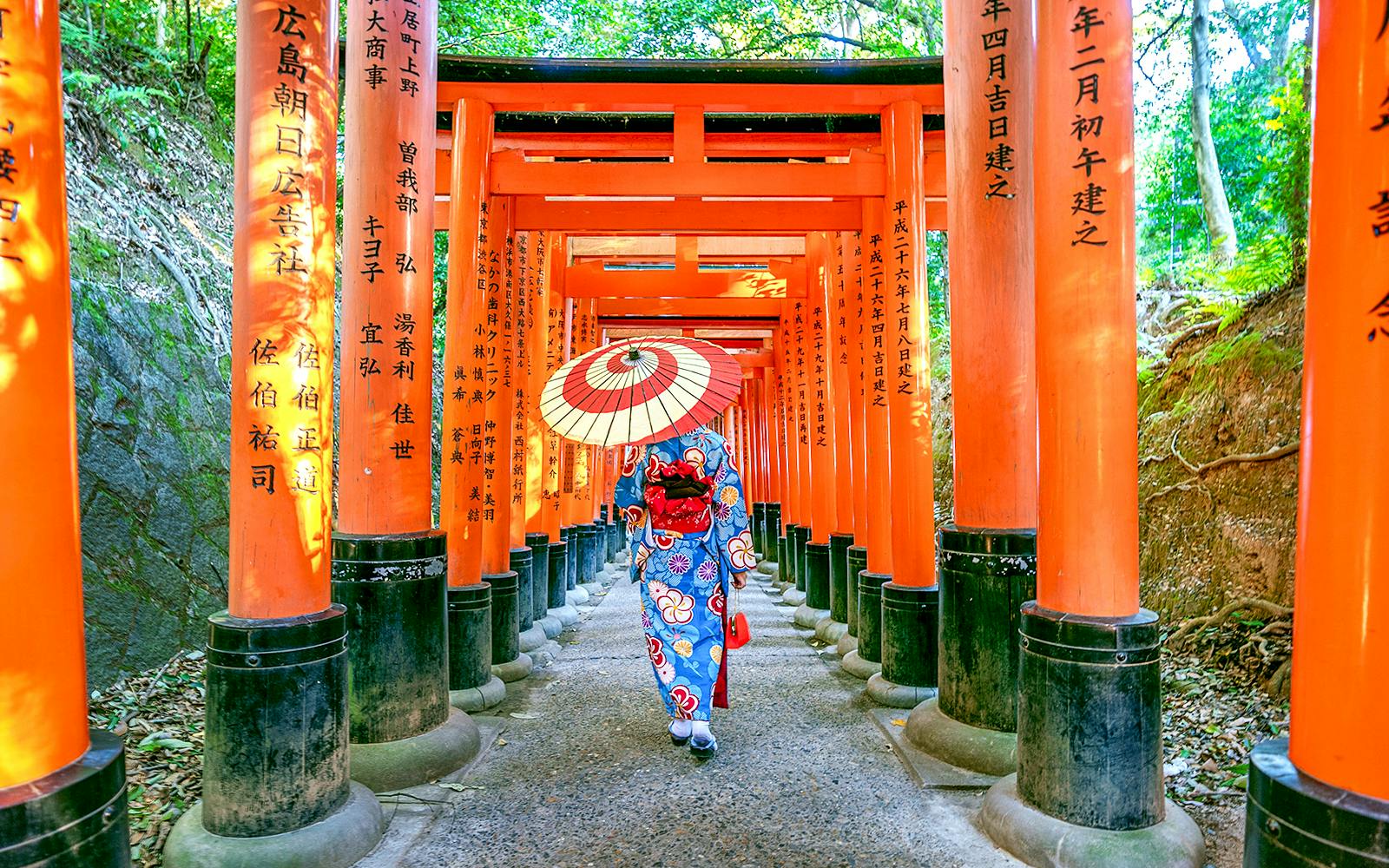
Top destinations for first-time visitors include Tokyo (Shibuya crossing, Senso-ji temple in Asakusa, Shinjuku, teamLab digital art museums, and the Tokyo Skytree), Kyoto (Fushimi Inari Shrine, Arashiyama bamboo grove, Kinkaku-ji golden pavilion, geisha districts of Gion), Osaka (Dotonbori street food, Osaka Castle, Universal Studios Japan), Hiroshima and Miyajima Island (Peace Memorial, floating torii gate), Nara (friendly free-roaming deer and Todai-ji temple), and Hokkaido (Sapporo, lavender fields, skiing, and seafood).
Japanese cuisine (washoku) is a UNESCO Intangible Cultural Heritage renowned for its precision, seasonal ingredients, and presentation. Must-try dishes include sushi and sashimi (raw fish over vinegared rice or served alone), ramen (regional noodle soups from Sapporo's miso ramen to Hakata's tonkotsu), tempura (lightly battered and fried seafood and vegetables), takoyaki (Osaka-style octopus balls), yakitori (grilled chicken skewers), tonkatsu (breaded pork cutlet), and matcha-based desserts. Convenience stores (konbini) such as 7-Eleven and Lawson also sell remarkably high-quality prepared meals and snacks.
Japan has excellent mobile connectivity with widespread 4G and growing 5G coverage across cities and major tourist routes. Pocket Wi-Fi rental devices, available for collection at airports, are popular for travelers needing to connect multiple devices. eSIMs from providers such as Airalo, Ubigi, and Holafly are convenient alternatives that can be activated before departure. Major hotels provide Wi-Fi. Note that VoIP restrictions do not apply in Japan; all internet calling apps work freely.
Onsen are natural geothermal hot spring baths that are an integral part of Japanese culture. Most ryokan (traditional inns) include private or communal onsen facilities. Rules to observe: you must shower and wash thoroughly before entering the bath; swimwear is not permitted in traditional onsen (you enter the water without clothing); guests with tattoos are frequently refused entry at traditional bathhouses. Private onsen rooms (kashikiri-buro) are an option for tattooed visitors at some ryokan.
A ryokan is a traditional Japanese inn providing an immersive cultural experience. Guests sleep on futon mattresses on tatami mat floors, wear yukata (cotton robes) provided by the inn, and dine on elaborate multi-course kaiseki meals served in private rooms. Most ryokan include access to communal or private onsen hot springs. Shoes are removed at the entrance and indoor slippers are worn. Ryokan range from affordable family guesthouses to ultra-luxury five-star experiences. Booking in advance is essential, particularly during cherry blossom and autumn foliage seasons.
Japan can suit multiple budget levels, though it has become relatively more expensive for international visitors following the weakening of the Yen against major currencies. Budget travelers using hostels, convenience store meals, and public transport can manage on approximately 6,000 to 9,000 JPY (around USD 40 to 60) per day. Mid-range travelers spending in restaurants and business hotels typically spend 15,000 to 25,000 JPY per day. Luxury ryokan and fine dining kaiseki meals represent the high end. The JR Pass and IC transport cards make getting around efficient and cost-controlled.
Japan does not require travel insurance for entry, but it is very strongly recommended. Medical treatment in Japan is world-class but expensive for uninsured visitors. Japan is also located in one of the world's most seismically active zones, and a comprehensive policy covering natural disasters, trip cancellation, and medical evacuation is advisable.
Cherry blossom (sakura) season is Japan's most celebrated natural event, typically occurring late March to mid-April depending on location and annual weather conditions. The Japan Meteorological Corporation and Japan Meteorological Agency publish annual sakura forecasts. Top viewing spots include Ueno Park and Shinjuku Gyoen in Tokyo, Maruyama Park in Kyoto, Hirosaki Castle in Aomori, and Philosopher's Path in Kyoto. Book flights, accommodation, and the JR Pass at least three to four months in advance as this is the country's peak tourist season.
Yes, tap water in Japan is completely safe to drink everywhere, including Tokyo, Kyoto, Osaka, and rural mountain areas. Japan has some of the strictest municipal water quality standards in the world. Tap water is crisp, clean, and served complimentary with ice at virtually all restaurants and cafes.
In Japan, dial 110 for Police (crime, traffic accidents) and 119 for Fire and Ambulance (medical emergencies). For emergencies at sea, dial 118. The Japan National Tourism Organization (JNTO) operates the Japan Visitor Hotline 24/7 in English, Chinese, and Korean at 0570-000-911 for tourist advice, medical assistance, and disaster support.
Foreign tourists in Japan on temporary visitor status can shop consumption-tax-free (saving 10 percent) at participating department stores, electronics shops (like Bic Camera and Yodobashi), and drugstores on purchases of 5,000 JPY or more on the same day. Present your original passport at checkout. Starting late 2026, Japan is transitioning to an airport digital refund model through Visit Japan Web.
On Tokaido, Sanyo, and Kyushu Shinkansen lines, luggage with total dimensions (length + width + height) between 160 cm and 250 cm requires an advance reservation for a Seat with an Oversized Baggage Area. This reservation is free when booking your train ticket. Bags exceeding 250 cm are prohibited on bullet trains and must be shipped via luggage forwarding services like Yamato Transport (Takkyubin).
Japan uses Type A two-pin unpolarized flat plugs operating at 100 volts (50 Hz in Tokyo and eastern Japan; 60 Hz in Osaka and western Japan). Outlets rarely feature grounding holes for Type B three-pin plugs. Most dual-voltage phone and laptop chargers (100 to 240V) work seamlessly with a basic two-pin adapter, but high-wattage heating appliances like curling irons need a voltage converter.
Yes, tourists can drive in Japan provided they carry an International Driving Permit issued under the 1949 Geneva Convention, alongside their domestic driver license. Driving is on the left side of the road. Japan enforces strict road rules, zero tolerance for drink driving, and mandatory seatbelts for all passengers. Public transport is so comprehensive that renting a car is only recommended for exploring rural areas like Hokkaido, Okinawa, or the Japanese Alps.
Japan is an archipelago nation characterized by a unique fusion of ancient tradition and cutting-edge innovation. From the neon-lit streets of Tokyo to the meditative atmosphere of Kyoto, the country offers a varied experience for all travelers. Geography plays a major role in the Japanese experience, with rugged mountain ranges like the Japanese Alps providing contrast to the bustling metropolitan centers on the coastal plains. Visitors can find themselves in the middle of a high-tech digital art museum one day and wandering through a centuries-old Shinto shrine the next. Key cultural landmarks define many travel itineraries. In the Kanto region, Tokyo serves as the primary gateway, featuring the Tokyo Skytree and the historic Asakusa district. Further west, Kyoto acts as the cultural heart of the nation, housing landmarks such as Fushimi Inari and Kinkaku-ji. Travelers often head to the Kansai region to experience the vibrant food culture of Osaka and the preserved historical landscapes of Nara.
Japan is a year-round destination, though the climate varies significantly from the northern island of Hokkaido to the warmer southern regions. Spring, typically falling between March and May, is widely considered a peak time to visit due to the arrival of cherry blossoms. This season is mild and ideal for outdoor sightseeing. Summer, spanning June to August, is often hot and humid, but it coincides with many local festivals and fireworks displays. Autumn, from September to November, brings cooler temperatures and vibrant foliage, making it a favorite for hikers and photographers. Winter is generally cold, especially in the mountainous regions and northern areas where snow provides excellent conditions for winter sports. Coastal cities like Tokyo and Osaka experience milder winters, though travelers should still dress for cold weather.
Public transportation is the standard way to move through Japan. The country maintains an extensive rail network, highlighted by the Shinkansen, or bullet train, which links major hubs including Tokyo, Nagoya, Kyoto, and Osaka. These high-speed services are efficient and comfortable, making travel between distant regions fast and reliable. Within major cities, travelers rely on complex but logical subway and local train systems. Taxis and buses are also available for short-distance transfers. For those looking to explore more remote areas, such as the mountainous Hakone region, ropeways and local mountain railways are common. Navigating these systems is straightforward, with signage often provided in multiple languages to assist international visitors. For those planning extensive travel across the country, checking regional rail pass options can offer both convenience and value.
The capital city features major landmarks like the Tokyo Skytree, the historic Senso-ji Temple, and the Shibuya Crossing.
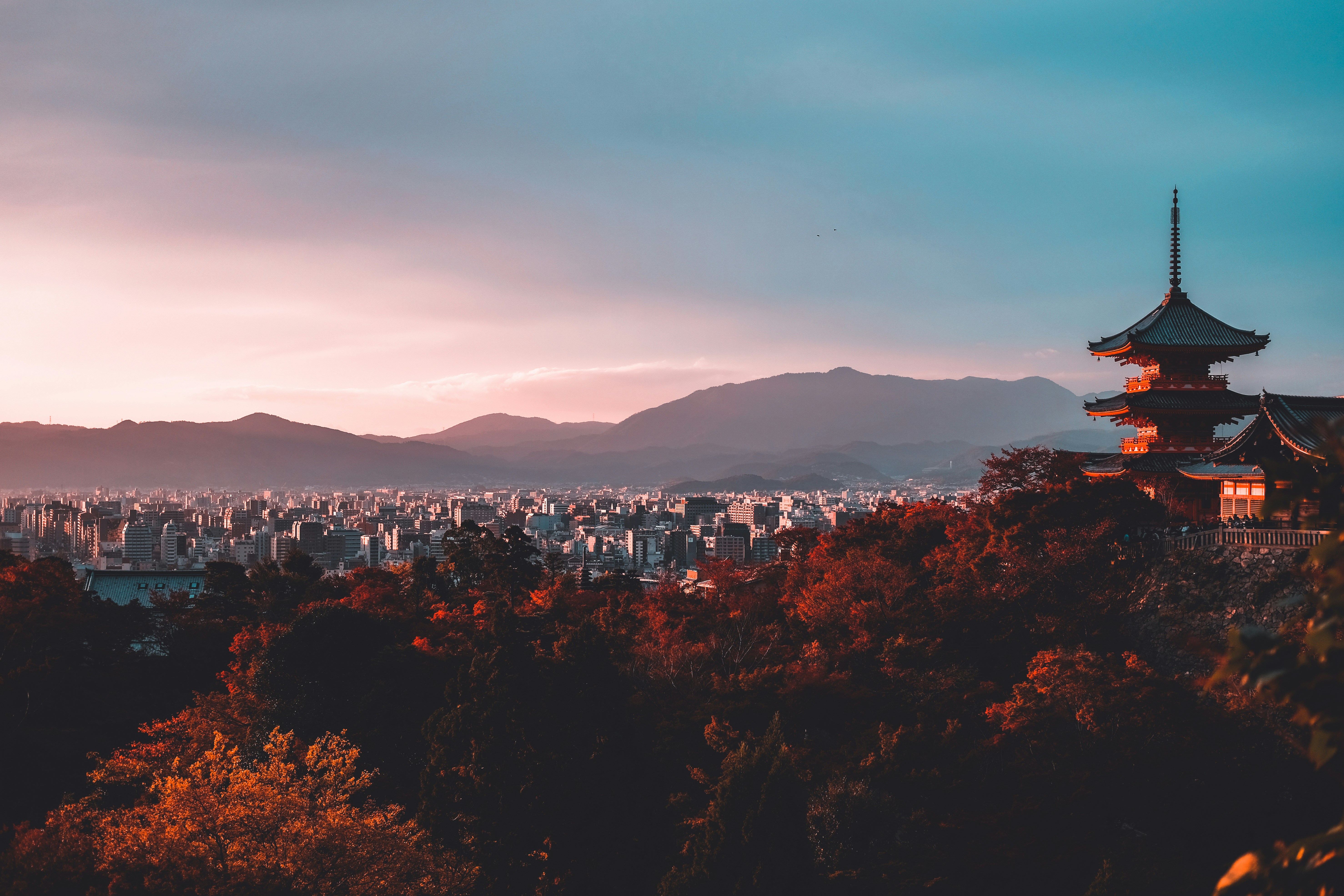
Kyoto is home to traditional cultural sites including Fushimi Inari and Kinkaku-ji.
This region offers scenic ropeway rides, lake cruises, and panoramic views of Mount Fuji.
Tokyo hosts immersive digital art experiences featuring interactive, multi-sensory installations.
Visitors can explore Nara Park and the Todai-ji Temple.
Osaka provides access to popular urban districts such as Dotonbori and the Umeda Sky Building.
The 2027 sakura forecast will not exist until February, but the good Kyoto rooms and cheaper fares go months earlier. Here is the window to book now, and what it costs.
A 7-night Tokyo, Kyoto and Osaka trip costs roughly Rs 1,08,000 to Rs 2,04,000 per person, flights and visa included. Here is the line-by-line budget in three tiers.
Japan needs a visa for every Indian traveller. Here is what the eVisa costs, which documents VFS asks for, how long it takes, and what to do if you get refused.
