


Culture7 min read
Kyoto Matcha & Tea Culture: Ceremonies, Uji Day Trips & Top Cafes
How to experience authentic Japanese green tea: ancient Uji teahouses, tea ceremony bowl etiquette, and the world's most intense matcha gelato.
By Meera Rao, City Breaks Specialist · · Updated

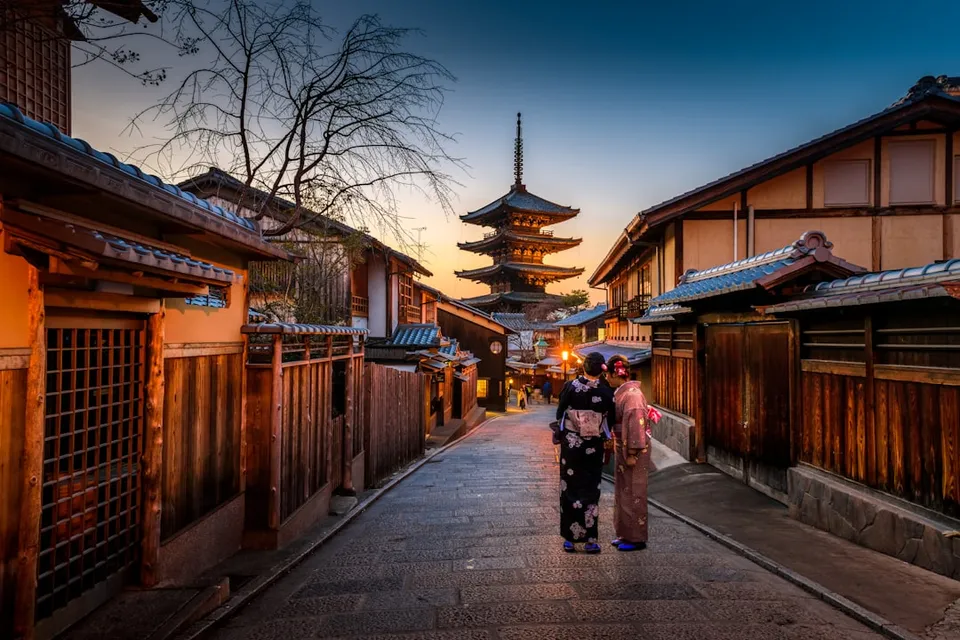
Photo by Unsplash Contributor on Unsplash
Around the world, green tea lattes and matcha pastries have become staples of trendy coffee shops. But in Japan, matcha is not a casual drink: it is a sacred cultural ritual, an artistic discipline, and a centuries-old way of life.
First brought to Japan from China by Buddhist monks in the 9th century, green tea leaves were stone-ground into a fine jade powder to aid in long meditation sessions. Over the centuries, Kyoto's Zen masters transformed tea preparation into Chado (The Way of Tea), a meditative ceremony governed by four foundational principles: Harmony (Wa), Respect (Kei), Purity (Sei), and Tranquility (Jaku).
However, many tourists mistakenly believe that any neon-green soft-serve ice cream or sweetened beverage sold in crowded tourist markets represents authentic matcha. Real Japanese ceremonial green tea features an extraordinary balance of deep umami, natural vegetal sweetness, and clean bitterness.
In this dedicated guide, we take you through an essential day trip to the historic tea capital of Uji, explain tea ceremony etiquette, and reveal the best matcha spots in Kyoto and Tokyo.
1. The Holy Land of Green Tea: An Easy Day Trip to Uji
If you want to experience the finest tea in Japan, do not just stay in downtown Kyoto. Take a short morning excursion to Uji, a scenic riverside town located just south of the ancient capital.
Uji's mineral-rich soil, rolling mountain hills, and morning river fogs create the ideal climate for growing shaded green tea (Gyokuro and Tencha), making it the birthplace of premium Japanese matcha.
How to Reach Uji from Kyoto
- Train Route: Board the JR Nara Line directly from Kyoto Station to JR Uji Station. The local or rapid train takes just 20 minutes (fare is only ¥240 / ~₹150 one way).
- Alternative: If staying near Gion or Kawaramachi, take the Keihan Main Line to Chushojima Station and transfer to the Keihan Uji Line.
Must-Visit Sights in Uji
- Byodoin Temple (Phoenix Hall): This breathtaking 11th-century UNESCO World Heritage Buddhist temple sits reflected over a tranquil lotus pond. It is so iconic to Japanese cultural identity that its image is minted on the back of the Japanese 10-yen coin.
- Tsuen Tea (通圓): Located right by the historic Uji Bridge, Tsuen Tea was founded in 1160 AD, making it Japan's oldest continuously operating teahouse. For over 860 years, samurai, shoguns, and travellers have stopped here for freshly whisked matcha, matcha parfaits, and cold green tea soba noodles overlooking the Uji River.
- Omotesando Street: The stone-paved pedestrian approach to Byodoin Temple is lined with dozens of historic tea merchants, where you can watch stone mills grind raw tea leaves into fine jade powder and sample warm matcha dango rice dumplings.
2. Japanese Tea Ceremony Etiquette: The 4 Steps
Attending a traditional Japanese tea ceremony (Chakai) in Kyoto is a deeply grounding experience. You do not need to be an expert, but following these basic customs shows immense respect to your tea master:
Usucha vs. Koicha: What Are You Drinking?
In ceremonies, you will encounter two styles of matcha:
- Usucha (Thin Tea): The frothy, jade-green tea whisked vigorously with a bamboo whisk (chasen). It has a light, refreshing mouthfeel and is what most foreign visitors are served.
- Koicha (Thick Tea): Prepared with double the ceremonial matcha powder and half the water, gently kneaded into a rich, molten jade syrup. Reserved for formal gatherings, it possesses an extraordinary, velvety umami intensity with zero astringency.
The Golden Etiquette Rules
- Wear Clean Socks: Tea ceremonies take place in tatami-matted tearooms where shoes are strictly forbidden. Always wear clean, solid socks (never bare feet).
- Eat the Sweet (Wagashi) First: Before serving the tea, your host will present a small, exquisite seasonal sugar confection called wagashi. Eat this sweet completely before sipping your tea; the concentrated sugar coats your palate and balances the intense, pure bitterness of the stone-ground matcha.
- Rotate the Chawan (Tea Bowl): When the host presents the ceramic tea bowl (chawan):
- Pick up the bowl with your right hand and place it on the palm of your left hand.
- Bow slightly and say "Otemae chodai itashimasu" (I will respectfully receive the tea).
- The Crucial Step: Rotate the bowl clockwise twice (about 90 degrees total). Japanese artisans place the most beautiful painted glaze on the "front" of the bowl; rotating it ensures your lips do not drink directly from the front, which represents humility and respect.
- The Final Slurp: Drink the tea in three or four quiet sips. On your very last sip, draw in a little air to create a small, audible slurp. In Japanese tea culture, this sound politely signals to your host that you have finished every drop.
3. Kyoto & Tokyo: The Ultimate Matcha Cafes
Historic Kyoto Teahouses
- Ippodo Tea Co. Kyoto Main Store: Founded in 1717 on Teramachi Street, Ippodo is revered by Japanese tea connoisseurs. At its Tearoom Kaboku, you can order a matcha set where tea masters provide a bamboo whisk, ceramic bowl, and kettle, guiding you step-by-step to whisk your own bowl of ceremonial tea.
- Saryo Tsujiri (Gion Main Store): Located on the bustling main avenue of Gion, this historic cafe is famous for towering artisan matcha parfaits layering matcha chiffon cake, matcha jelly, sweet chestnut puree, and red azuki bean paste.
Tokyo's Matcha Challenge: Suzukien Asakusa (7 Intensity Levels)
If your route stays primarily in the capital, head to Suzukien in Asakusa, located just behind the Senso-ji Temple complex. In collaboration with historic Shizuoka tea makers, Suzukien serves the famous 7 Levels of Matcha Gelato:
- Level 1 to Level 3: Light, creamy, and sweet; matches the flavor profile of standard commercial green tea ice cream.
- Level 4 to Level 6: Progressively darker green, richly aromatic, and intensely vegetal.
- Level 7 (The Final Boss): Advertised as the richest, most intense matcha gelato in the world. Crafted with premium ceremonial-grade tea leaves, it has an opaque dark emerald color with an extraordinary, velvet umami punch that serious matcha lovers worship.
4. Vegetarian & Dietary Compatibility
Pure matcha green tea and traditional wagashi sweets (made from red azuki bean paste, rice flour, and sugar) are 100% naturally vegan and vegetarian. They contain zero animal products or hidden fish stocks.
However, when ordering matcha parfaits or cakes at modern westernized cafes, check for dairy cream and gelatin. For full guidance on navigating meals and dietary terms across Japan, explore our dedicated Indian vegetarian and Jain food survival guide.
Summary: Bring Ceremonial Tea Home
When buying matcha to take back to India, avoid cheap supermarket tins labeled "cooking matcha". Look for sealed vacuum-packed foil cans labeled Ceremonial Grade (Koicha or Usucha) from trusted Uji producers like Ippodo, Marukyu Koyamaen, or Tsuen. Once opened, keep your matcha tin refrigerated in an airtight container away from light and humidity, and consume it within 4 to 6 weeks for optimal freshness.
To see how to seamlessly pair an Uji day trip with visits to Fushimi Inari and Arashiyama, consult our 7-day Japan Golden Route itinerary for Indians, and learn how to easily travel on the JR Nara line with our post-price-hike JR pass math guide.
Questions people ask
How long does it take to travel from Kyoto to Uji?
The train journey from Kyoto Station to JR Uji Station takes approximately 20 minutes.
What is the difference between Usucha and Koicha?
Usucha is a thin, frothy matcha prepared with more water, while Koicha is a thick, concentrated matcha prepared as a molten syrup.
Why must I rotate the tea bowl during a ceremony?
Rotating the bowl clockwise twice avoids drinking from the front, which features the most beautiful glaze, as a sign of humility and respect.
Is traditional Japanese matcha vegan?
Yes, pure ceremonial matcha and traditional wagashi sweets made from red azuki bean paste and rice flour are naturally vegan.
How should I store matcha after opening?
Keep matcha in an airtight container in the refrigerator away from light and humidity, and consume within 4 to 6 weeks for optimal freshness.
Written by
Meera Rao
City Breaks Specialist. Meera plans Singapore stopovers and short city breaks, with an eye on value, transit and what actually works for families travelling from India.
All guides by Meera →
02More from Japan
- 01Japan's Greatest Castles: Himeji, Osaka Castle & The Nara Deer Guide6 min
- 02Japanese Convenience Store (Konbini) Guide: Must-Try Foods & Secrets6 min
- 03Anime & Gaming in Tokyo: The Akihabara, Ghibli & Nintendo Guide6 min
- 04Tokyo DisneySea vs Universal Studios Japan: Booking Passes & Hacks7 min
- 05Seeing Mount Fuji: Best Viewpoints, Kawaguchiko vs Hakone & Trains7 min
- 06Japan Honeymoon Guide for Indian Couples (2026): Luxury Ryokans & Fuji7 min
03Popular packages
All 4 →
JapanView
7N Japan: Cherry Blossom Special | With Flights Ex Mumbai / Ex Delhi / Ex Bangalore
7 nights
₹2,94,400per adult

04You might also like

Itineraries10 min read
7 Days in Japan: The Realistic Itinerary for First-Time Indians
The realistic 7-day Japan itinerary for first-time Indian travellers: cover Tokyo, Mount Fuji, Kyoto, and Osaka with flight tips and luggage hacks.
Meera Rao

Food & Dining7 min read
Indian Vegetarian & Jain Food in Japan: The Ultimate Guide
The ultimate survival guide for Indian vegetarian and Jain travellers in Japan: beware hidden dashi fish broth, use dietary cards, and find pure-veg spots.
Meera Rao
Planning a Japan trip?
Tell us where and when - a specialist replies with a plan and a price, usually within two hours.