
Old Dubai: Souks, the Creek and Abra Boats
A cash-only, AED 1 abra ride links Deira's Gold and Spice Souks to Bur Dubai's Al Fahidi quarter for one of the cheapest half-days in the city.
By Meera Rao, City Breaks Specialist ·
- Abra crossing fare
- AED 1 per person, cash only
- Abra capacity
- Up to around 20 passengers per boat
- Abra operating hours
- Early morning to around midnight, daily

Photo by Abraham Reyes on Unsplash
Old Dubai: Souks, the Creek and Abra Boats
Old Dubai on foot and by abra boat costs less than AED 5 in transport for a half-day of gold souks, spice markets and creek views, and here is how to do it right.
Why Old Dubai Is Worth the Detour
Most first-time visitors spend their Dubai trip in Downtown, Marina or JBR, and skip the older parts of the city entirely. Old Dubai sits on either side of Dubai Creek, the tidal inlet that splits the historic centre in two: Deira on the northern bank holds the Gold Souk and Spice Souk, while Bur Dubai on the southern bank holds the Al Fahidi Historical Neighbourhood and the Textile Souk. This is the version of Dubai that existed before the skyscrapers, and it's still fully functioning as a real trading district, not a recreated tourist set piece.
Getting Oriented: Deira vs Bur Dubai
| Area | Bank of the creek | What's there |
|---|---|---|
| Deira | Northern | Gold Souk, Spice Souk, Perfume Souk, Deira waterfront |
| Bur Dubai | Southern | Al Fahidi Historical Neighbourhood, Textile Souk, Dubai Museum |
The two areas are a short abra ride apart, which is the classic way to move between them and the main reason this makes for a good half-day loop.
The Gold Souk
The Gold Souk in Deira is a covered market lane lined with jewellery shops, many with gold jewellery displayed in the windows rather than locked away, which is part of the spectacle even if you're not buying. Gold here is sold by weight plus a making charge, and bargaining on the making charge is standard practice, similar to jewellery shopping in India. If you're comparing prices against home, note that Dubai gold pricing is often more transparent since rates are pegged to the daily international gold price and displayed in most shops.
The Spice Souk
A few minutes' walk from the Gold Souk, the Spice Souk is a narrower lane of stalls selling sacks of saffron, dried lime, frankincense, cardamom and other spices, along with dried fruits and nuts. Prices are generally negotiable, and vendors are used to small-quantity tourist purchases as well as bulk trade buying. This is one of the more photogenic, low-cost stops in Old Dubai and doesn't require an entry ticket.
The Abra Boat Ride
An abra is a small traditional wooden ferry that has carried passengers across Dubai Creek for decades, and it remains one of the cheapest activities in the entire city. A standard crossing costs AED 1 per person, paid in cash directly to the boatman (cards are not accepted), and each abra can carry up to about 20 passengers. The service runs daily from early morning to around midnight, connecting Deira and Bur Dubai across the creek.
The ride itself takes only a few minutes but gives a proper view of the older waterfront: traditional wind-tower buildings, dhows (traditional cargo boats) loading and unloading goods along the creek, and minarets set against the newer glass-fronted buildings further back. For a slightly longer, more scenic option, some operators run 45-60 minute abra tours along a longer stretch of the creek for a higher fixed price, distinct from the AED 1 point-to-point crossing.
Al Fahidi Historical Neighbourhood
On the Bur Dubai side, the Al Fahidi Historical Neighbourhood is a restored quarter of coral-and-gypsum buildings with wind towers, Dubai's traditional air-cooling architecture built before electricity. It's a genuinely walkable, shaded area with art galleries, small museums and cafes tucked into the old buildings, and it's one of the few parts of central Dubai that rewards slow, aimless walking rather than a fixed itinerary.
Dubai Museum and Al Fahidi Fort
Within the same neighbourhood, Al Fahidi Fort houses the Dubai Museum, which covers the city's pre-oil history: pearl diving, traditional trade, and Bedouin life before the rapid development of the last few decades. It gives useful context for how fast Dubai has changed, and pairs naturally with a walk through the surrounding old quarter.
A Practical Half-Day Route
- Start at the Gold Souk in Deira (morning, before the heat builds)
- Walk to the Spice Souk nearby
- Head to the Deira Old Souk Abra Station and cross to Bur Dubai for AED 1
- Explore the Textile Souk on the Bur Dubai side
- Walk into Al Fahidi Historical Neighbourhood
- Visit Dubai Museum at Al Fahidi Fort if time allows
- Return via abra or taxi
This route needs minimal advance planning and costs very little beyond food, souvenirs and the abra fare itself.
Practical Tips
- Carry small AED notes and coins. Abra rides and many smaller souk stalls are cash-only or strongly prefer cash.
- Go in the morning or early evening. Midday heat, especially outside the October-March window, makes the outdoor souk lanes and creek-side walking uncomfortable.
- Dress modestly. Old Dubai is a more traditional, working part of the city; covering shoulders and knees is respectful and common practice here compared to the beach and mall areas.
- Bargain at the souks, not at fixed-price shops. Gold Souk making charges and Spice Souk prices are usually negotiable; a labelled price in a mall generally is not.
- Combine with a creek dinner cruise if you want a longer creek experience, since the abra is a quick crossing rather than a full cruise.
FAQs
Q: How much does an abra ride across Dubai Creek cost? A: AED 1 per person for a standard point-to-point crossing between Deira and Bur Dubai, paid in cash. Longer scenic abra tours along the creek are priced separately and cost more.
Q: Can I pay for the abra by card? A: No, standard abra crossings are cash-only. Carry small AED notes or coins.
Q: Is the Gold Souk actually cheaper than buying gold in India? A: It depends on the day's international gold rate and the making charges negotiated, which vary by shop. Dubai gold pricing is generally transparent and pegged to daily rates, but whether it's cheaper than home prices depends on current exchange rates and duty considerations if you're bringing gold back to India, so compare on the day rather than assuming a fixed saving.
Q: How long does the Old Dubai souks and abra route take? A: A relaxed half-day, roughly 3-4 hours, covers the Gold Souk, Spice Souk, an abra crossing and a walk through Al Fahidi. Add another hour if you want to properly visit Dubai Museum.
Q: Is Old Dubai safe to walk around, including at night? A: Yes, this is a well-trafficked, heavily visited part of the city with regular foot traffic and shops open into the evening. Standard city precautions apply, but it is not considered a higher-risk area.
Q: What's the difference between the Textile Souk and the Gold Souk? A: The Textile Souk in Bur Dubai sells fabrics, scarves, ready-made clothing and tailoring services, while the Gold Souk in Deira is specifically jewellery and gold. They're on opposite banks of the creek, connected by the abra.
Q: Do I need to book the abra ride in advance? A: No, standard crossings are walk-up only. You simply arrive at an abra station, pay the boatman, and board when the boat is ready to leave.
Q: Is there an entry fee for the souks themselves? A: No, walking through the Gold Souk and Spice Souk is free. You only pay for what you buy, the abra crossing, and any museum entry tickets like Dubai Museum at Al Fahidi Fort.
Questions people ask
How much does an abra ride across Dubai Creek cost?
AED 1 per person for a standard point-to-point crossing between Deira and Bur Dubai, paid in cash. Longer scenic abra tours along the creek are priced separately and cost more.
Can I pay for the abra by card?
No, standard abra crossings are cash-only. Carry small AED notes or coins.
Is the Gold Souk actually cheaper than buying gold in India?
It depends on the day's international gold rate and the making charges negotiated, which vary by shop. Dubai gold pricing is generally transparent and pegged to daily rates, but compare on the day rather than assuming a fixed saving.
How long does the Old Dubai souks and abra route take?
A relaxed half-day, roughly 3-4 hours, covers the Gold Souk, Spice Souk, an abra crossing and a walk through Al Fahidi. Add another hour for Dubai Museum.
Is Old Dubai safe to walk around, including at night?
Yes, this is a well-trafficked, heavily visited part of the city with regular foot traffic and shops open into the evening. Standard city precautions apply.
What's the difference between the Textile Souk and the Gold Souk?
The Textile Souk in Bur Dubai sells fabrics, scarves and tailoring services, while the Gold Souk in Deira is specifically jewellery and gold. They're on opposite banks of the creek, connected by the abra.
Do I need to book the abra ride in advance?
No, standard crossings are walk-up only. You arrive at an abra station, pay the boatman, and board when the boat is ready to leave.
Is there an entry fee for the souks themselves?
No, walking through the Gold Souk and Spice Souk is free. You only pay for purchases, the abra crossing, and any museum entry tickets like Dubai Museum at Al Fahidi Fort.
Sources
- Deira Old Souk Abra Station · Tripadvisor
- Old Dubai Guide 2026: Deira, Bur Dubai & the Creek · The Better Vacation
- Dubai Creek Abra Rides & What To See · Free City Guides
Written by
Meera Rao
City Breaks Specialist. Meera plans Singapore stopovers and short city breaks, with an eye on value, transit and what actually works for families travelling from India.
All guides by Meera →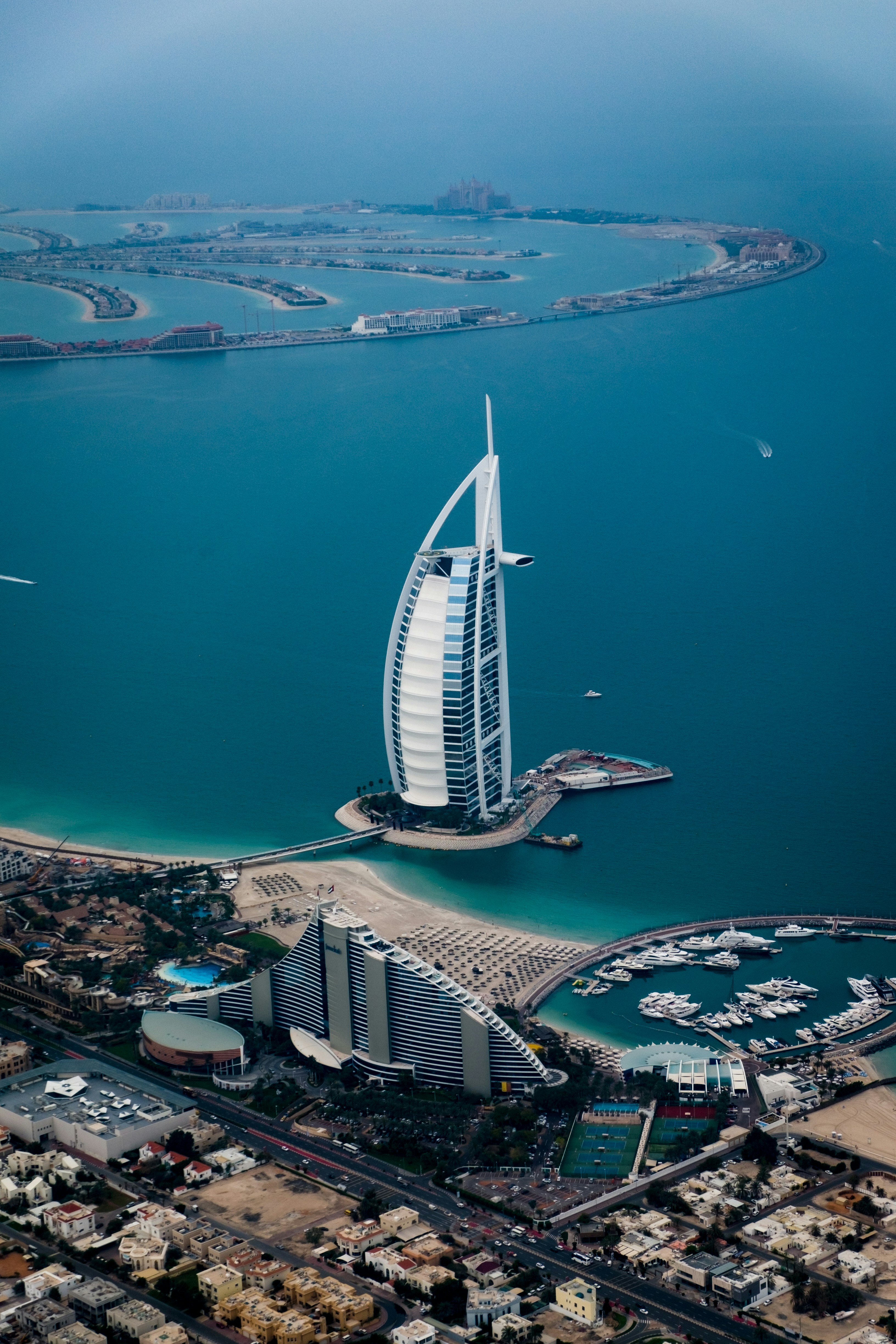
02More from Dubai
- 01Best Time to Visit Dubai: Month by Month Weather Guide7 min
- 02Where to Stay in Dubai: Areas Honestly Compared7 min
- 03Dubai Visa for Indians: Rules, Fees and How to Apply6 min
- 04Dubai Trip from India: The Complete Planning Guide7 min
- 05Dubai Trip Cost from India: A Real Budget Breakdown6 min
- 065-Day Dubai Itinerary from India7 min
Planning a Dubai trip?
Tell us where and when - a specialist replies with a plan and a price, usually within two hours.