
SingaporeView
Singapore Getaway Including flights ( Delhi )- Fixed Departure | With Cruise
5 nights
₹1,01,750per adult
No winter, no dry season. Just rain patterns, school holidays and F1 pricing.
By Meera Rao, City Breaks Specialist · · Updated
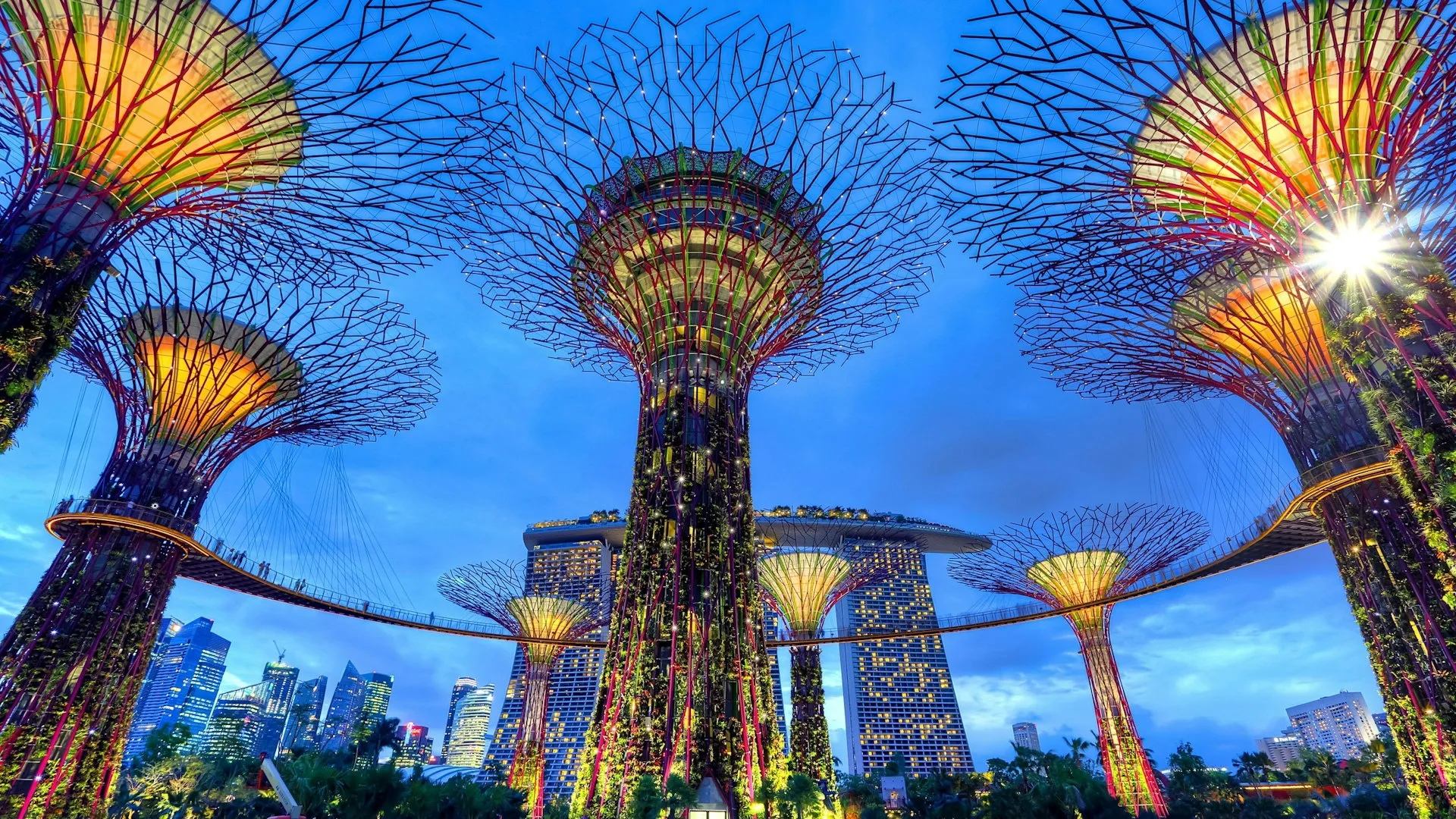
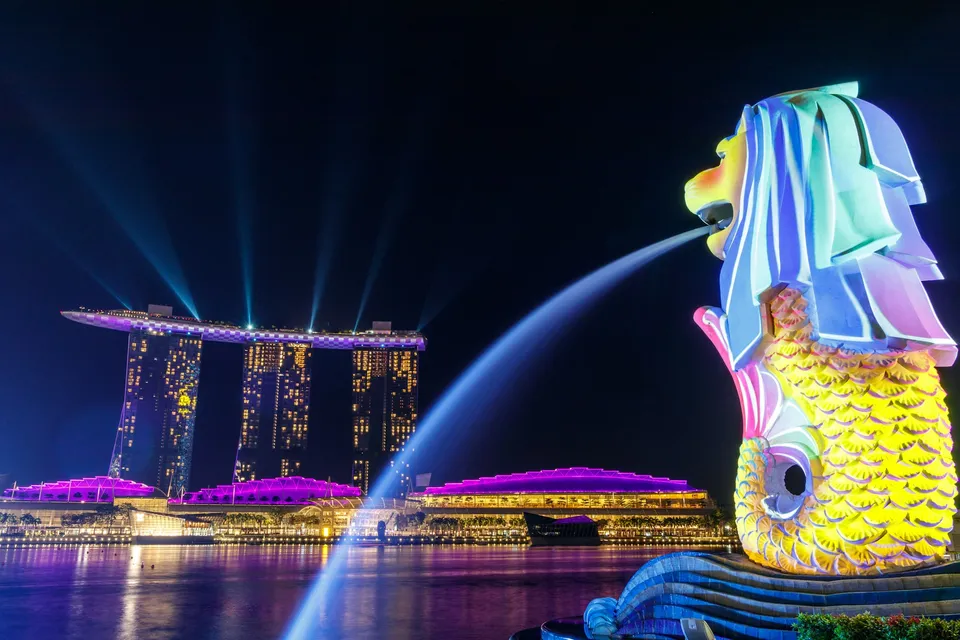
Photo by Mike Enerio on Unsplash
Singapore sits about one degree north of the equator, so it has no winter, no spring and no proper dry season. Singapore weather barely moves across the year: daytime highs run 30 to 33 degrees in every month, nights rarely drop below 24, and humidity sits near 80 percent. So the best time to visit Singapore comes down to three things that have nothing to do with temperature: rainfall, Indian school holidays, and the event weekends that quietly double your hotel bill.
The only Singapore season worth understanding is a rain pattern, not a temperature one.
Approximate return economy fares from Indian metros, booked six to eight weeks out:
Hotels swing harder. A four-star around Bugis, Clarke Quay or Tanjong Pagar runs about Rs 9,000 to 13,000 a night in February or September, and Rs 18,000 to 26,000 in Christmas week or the race weekend. All figures approximate.
Ask our Singapore team to price your exact dates on WhatsApp
Tell us where and when - a specialist replies with a plan and a price, usually within two hours.
The fortnight straight after Chinese New Year, usually late February into early March, gives you the driest weather of the year, hawker stalls reopened, short queues, and off-peak room rates. If you can only lock one window, this is it.
Late August to mid-September is the other, as long as you check the Grand Prix date and avoid that weekend. Rainfall is moderate, the Indian holiday rush is done, and a Sentosa room costs what a Bugis room does in December.
Almost every list says avoid November and December because of rain. That misreads how it rains here. A Singapore downpour is a heavy 45 to 90 minute burst, usually mid to late afternoon, then it stops. The city is engineered around it: MRT stations open into malls and covered walkways run for kilometres through Orchard and Marina Bay. You lose an afternoon slot, not the day. November is wet, cheap and already lit up for Christmas. December is a problem because of price, not weather.
The second miss is pushing February for the dry weather without flagging Chinese New Year, when a chunk of the food scene closes and Chinatown is shoulder to shoulder.
One honest skip: the Singapore Flyer. If you have already booked the Marina Bay Sands SkyPark deck, it is an expensive repeat of the same view. Put that money into the Night Safari or Bird Paradise at Mandai instead.
Work out when to go to Singapore before you book anything else, because the price swings are so wide for a city this small. Pick a shoulder fortnight, book the flight before the hotel, and the same trip costs about a third less than it would three weeks later.
Planning a trip to Singapore? Check out our tested guides for real Indian traveler budgets, day-by-day itineraries, and insider tips:
February to April and July to September are the best months to visit Singapore. These periods experience the lowest rainfall and the most sunshine, making them ideal for outdoor theme parks, zoo visits, and walking tours.
During the Northeast Monsoon (mid-November to January), Singapore receives frequent heavy afternoon rains and thunderstorms. However, because most tourist hubs, malls, and MRT stations are connected by sheltered underground walkways, sightseeing continues smoothly.
July, August (outside F1 Grand Prix), and late January (after New Year) offer the most competitive flight and hotel rates.
The Singapore F1 night race takes place in mid-to-late September around the Marina Bay street circuit. During race week, hotel rates in Marina Bay, City Hall, and Bugis surge by 150% to 300%, and roads are blocked. Non-race tourists should avoid this specific weekend.
Chinese New Year (January/February, Chinatown lantern light-ups), Deepavali (October/November, spectacular light displays in Little India), and Christmas on A Orchard Road (November/December street illuminations).
Singapore has a tropical rainforest climate with steady temperatures year-round between 25°C and 32°C and high humidity (75% to 85%). Light, breathable cotton clothing and carrying an umbrella are essential.
The Great Singapore Sale (held between June and July) offers seasonal discounts across electronics, luxury fashion, and department stores on Orchard Road and Marina Bay Sands.
May and June (summer holidays in India) offer extensive family festival activities across Sentosa and Gardens by the Bay, while November and December feature festive holiday light-ups.
Written by
Meera Rao
City Breaks Specialist. Meera plans Singapore stopovers and short city breaks, with an eye on value, transit and what actually works for families travelling from India.
All guides by Meera →₹1,01,750per adult

A practical Singapore trip from India: days, rupee budgets, visa basics, best months, where to stay and how to book it.
Indians need a visa before flying to Singapore. Fees in rupees, documents, the SG Arrival Card, timelines and the mistakes that get files rejected.
Planning a Singapore trip?
Tell us where and when - a specialist replies with a plan and a price, usually within two hours.