
beaches5 min read
The Best Beaches in Mauritius
Where to swim, snorkel, take the kids and catch the sunset, mapped coast by coast.
By Ananya Iyer, Maldives & Indian Ocean Specialist · · Updated
Mauritius is small enough to drive around in a day, but its four coasts behave like four different islands. The north is calm and social, the west owns the sunsets, the east has the postcard lagoons, and the south turns wild. Pick the wrong coast for what you actually want, say a snorkelling trip based out of a north-coast hotel, and you will spend half your holiday in the car. So the real question is not which beach is prettiest, it is which coast matches your week. Here is how the main Mauritius beaches stack up, coast by coast, with the honest trade-offs most guides skip.
North coast: Trou aux Biches and Mont Choisy
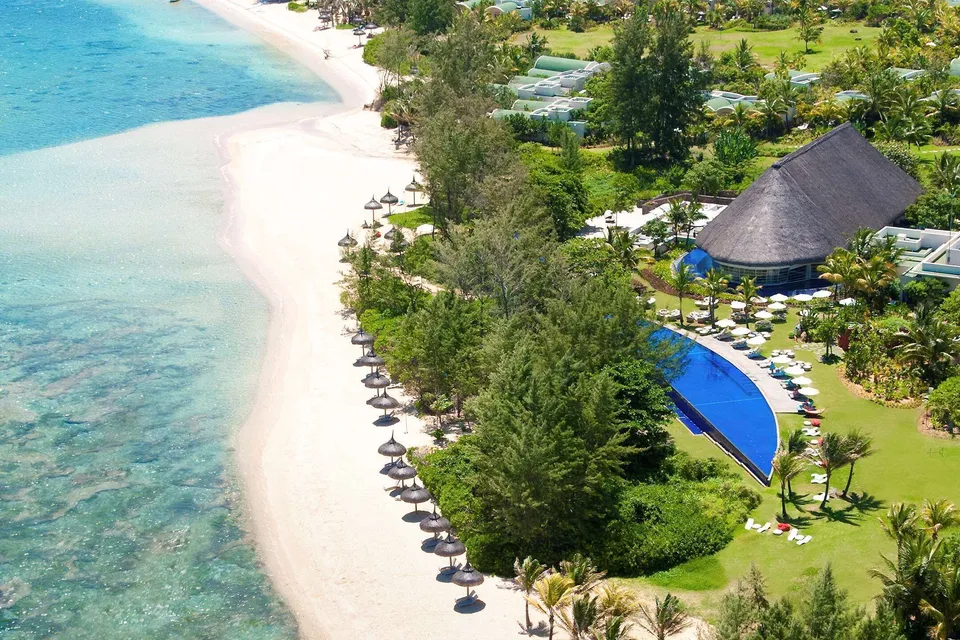
Trou aux Biches is the beach most people picture: a long ribbon of white sand, casuarina shade and a lagoon that stays waist-deep a long way out. The reef sits close in, so the water is calm and clear, which makes it one of the best beaches in Mauritius for families and nervous swimmers. Snorkelling straight off the sand is decent rather than spectacular, and it faces roughly west, so you get warm evening light without the Grand Baie crowds.
Just north, Mont Choisy is a wide crescent that fills with local families on Sundays. Pereybere is a small, handy public beach between Grand Baie's shops and boat jetties. Grand Baie itself is your launch pad for catamaran cruises and diving, not a lie-on-the-sand beach, so do not book a hotel there expecting to walk into the sea from your towel.
- Best for: families, easy swimming, calm water, quiet sunsets
- Getting there: about 20 minutes from Grand Baie, roughly an hour from the airport
West coast: Flic en Flac and Le Morne
Flic en Flac is the west coast's headline act, a genuinely long beach with a protected lagoon, plenty of shade and the most reliable sunsets on the island. The snorkelling near the reef edge is good, and there is room to spread out even in peak season. It works well as a base if you also want Casela nature park or an early dolphin-watching boat out of Tamarin (go at first light, around 6 am, before the flotilla arrives).
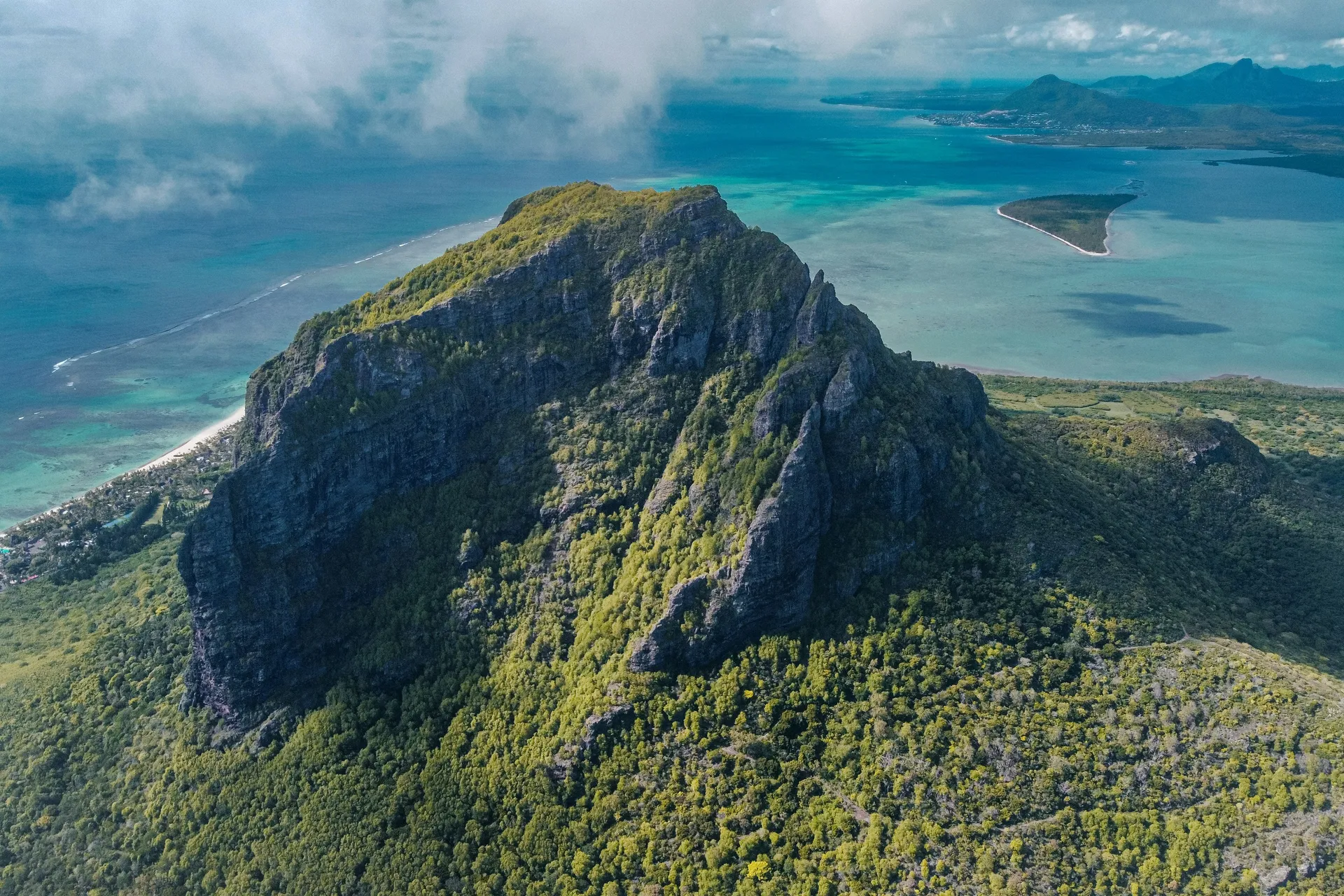
Further south, Le Morne sits under the Le Morne Brabant mountain, a UNESCO site. This is the kite and windsurf capital of Mauritius, home to the One Eye break, and the beach is superb: powder sand, turquoise water, sunsets framed by the peak. The luxury resorts cluster here, but by law the public beach is open to everyone, so you can enjoy the same stretch on a day trip.
- Best for: sunsets, snorkelling, kitesurfing at Le Morne, room to breathe
Ask our Mauritius team to map your coast on WhatsApp
Tell us where and when - a specialist replies with a plan and a price, usually within two hours.
East coast: Belle Mare and Ile aux Cerfs
Belle Mare is the east coast's showpiece, a huge sweep of soft sand and a shallow turquoise lagoon that looks exactly like the brochures. Because it faces east you get sunrises, and the water is glassy first thing. Here is the catch most guides leave out: the trade winds pick up most afternoons, so if you want flat, mirror-calm water for a swim, go before 11 am. The wind is a gift if you windsurf, an annoyance if you do not.
From nearby Trou d'Eau Douce you can catch a boat to Ile aux Cerfs, an offshore islet with a famous sandbar. Honest take: it is busy, heavily touristy and the water sports are overpriced, but that colour is hard to argue with, so treat it as a half-day, not a full one. Palmar and Poste Lafayette are quieter along the same coast.
- Best for: families, morning swims, photography, windsurfing
South coast: Blue Bay and Gris Gris
The south is where the beaches get varied. Blue Bay, near Mahebourg, sits inside a marine park and has the best snorkelling on the island: dense coral and clouds of fish in warm, shallow water. Glass-bottom boats run from the beach (roughly ₹800 to ₹1,200 per person, approximate) if you would rather stay dry. Go early, because the same lagoon fills with boat traffic by midday.
Then there is Gris Gris, near Souillac, the opposite kind of beach entirely. There is no protective reef, so the Indian Ocean slams the cliffs head on. You cannot swim, and you should not try, but the raw scenery and sea spray are worth the drive if you want the island's wilder side.
- Best for: snorkelling at Blue Bay, marine life, dramatic scenery at Gris Gris (no swimming)
The best beach for each kind of trip
Couples looking for secluded sunset walks, tranquil lagoon swimming, and beachfront dining should refer to our Mauritius Honeymoon Guide for romantic coast recommendations.
- Best for swimming: Trou aux Biches and Belle Mare, both calm, shallow and reef-protected
- Best for snorkelling: Blue Bay first, then Flic en Flac and Trou aux Biches
- Best for families: Trou aux Biches, Belle Mare and Mont Choisy
- Best for sunsets: Flic en Flac and Le Morne on the west, Trou aux Biches in the north
- Best for water sports: Le Morne for kite and windsurf, Belle Mare for windsurf, Tamarin for surf
Know before you go
- Getting there: Direct flights run from Mumbai and Delhi to Mauritius (MRU) in around 6 hours, with Bengaluru and other metros connecting via one stop. Indian passport holders get visa-free entry for up to 60 days.
- Best time to visit: May to December is drier and cooler. Skip January to March, the peak cyclone and rain window. The sea stays warm enough to swim all year.
- Budget: A mid-range beach week runs roughly ₹90,000 to ₹1,50,000 per person including flights and a decent resort (approximate). Self-drive plus guesthouses can bring that well below ₹70,000.
- Beaches are public: Every beach is open to all, even in front of five-star resorts. Look for the public beach signs for parking and shade.
- Rent a car: The coasts are 1 to 2 hours apart, so a small self-drive car (around ₹2,000 to ₹2,800 a day, approximate) is the easiest way to beach-hop. They drive on the left, just like in India.
- Reef shoes and sun: Some lagoons have patchy coral and the odd sea urchin, so reef shoes help. The UV is strong even on cloudy days, so pack a proper sunscreen.
Match the coast to your holiday and you can hit calm family lagoons, top snorkelling and west-coast sunsets in one week without ever feeling rushed.
Related Mauritius Travel Guides
Planning a trip to Mauritius?
-
Romantic Beach Escapes: Mauritius Honeymoon Guide: Packages, Resorts & Real Costs Check out our tested guides for real Indian traveler budgets, day-by-day itineraries, and insider tips:
-
Complete Planning Guide: Mauritius Trip from India: The Complete Planning Guide
-
Visa & Immigration: Mauritius Visa for Indians: Rules, Fees & Entry Form
-
Trip Budget & Flights: Mauritius Trip Cost from India: A Real Budget Breakdown
-
7-Day Itinerary: Mauritius in 7 Days: The First Timer's Itinerary
Questions people ask
Which is the number one best beach in Mauritius for swimming?
Trou aux Biches in the north is widely considered the best beach in Mauritius. It features powder-soft white sand, crystal-clear calm turquoise waters protected by a coral reef, safe swimming for children, and excellent snorkelling steps from the shore.
Which beach in Mauritius has the most dramatic scenery?
Le Morne Beach in the southwest offers breathtaking scenery with the towering limestone monolith of Le Morne Brabant mountain rising directly behind pristine white sands and turquoise lagoons.
Where are the best sunset beaches in Mauritius?
Flic-en-Flac, Trou aux Biches, and Mont Choisy on the West and North coasts offer panoramic, unobstructed sunset views over the Indian Ocean with beachside food trucks and cocktail bars.
Which beach is best for water sports and snorkelling?
Blue Bay on the southeast coast is unbeatable for snorkelling in its protected marine park, while Belle Mare and Grand Baie offer top parasailing, undersea walks, and tube rides.
Is Belle Mare Beach good for swimming?
Belle Mare is a stunning 10-kilometre stretch of untouched white sand. The lagoon is excellent for swimming and water sports during the summer months (Oct–Apr), but is breezier during the winter months (Jun–Aug).
Are there public facilities (toilets, showers, parking) at Mauritius beaches?
Yes, all major public beaches (Trou aux Biches, Mont Choisy, Flic-en-Flac, Belle Mare, Blue Bay) feature free public parking, clean public toilets, showers, and licensed street food vendors.
Can tourists access the beach fronting luxury 5-star hotels in Mauritius?
Yes. Under Mauritian law, all beaches up to the high-tide watermark are public. You are free to walk, swim, and sunbathe on the sand in front of any private luxury resort.
What is Mont Choisy Beach known for?
Mont Choisy is the longest beach in northern Mauritius, characterized by a gentle curving shoreline shaded by an extensive forest of Casuarina (Filao) trees, making it a favourite spot for weekend family picnics.
Written by
Ananya Iyer
Maldives & Indian Ocean Specialist. Ananya plans beach and island holidays across the Maldives and Mauritius for Indian travellers, and spends most of her research time on resort selection, transfers and meal plans.
All guides by Ananya →02More from Mauritius
- 01Long Beach Mauritius Review for Indian Couples and Families9 min
- 02Half Board or All-Inclusive in Mauritius: What Saves You Money8 min
- 03Mauritius Trip Cost for a Family of 4: Real 5-Night Budget10 min
- 04Mauritius vs Bali for Honeymoon: Which Is Cheaper for Indians?9 min
- 05Mauritius Visa for Indians: Rules, Fees and How to Apply5 min
- 06Mauritius Trip Cost from India: A Real Budget Breakdown6 min
03Popular packages
All 4 →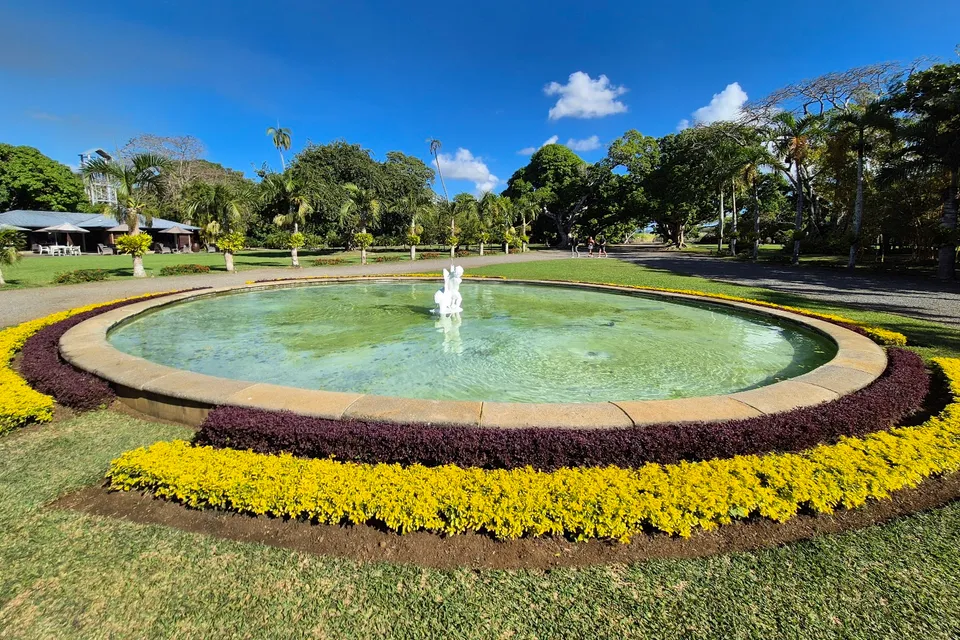
MauritiusView
6D/5N - OUTRIGGER Mauritius Beach Resort - Half Board (Private)
5 nights
₹75,000per adult
04You might also like
destination guides6 min read
Mauritius Trip from India: The Complete Planning Guide
How many days, what it costs, when to go and where to stay in Mauritius, planned for Indian travellers with rupee budgets and direct flights.
Ananya Iyer
honeymoon5 min read
Mauritius Honeymoon Guide: Beaches, Resorts and Romance
Which coast to pick, resort budgets in rupees, romantic day trips, and how a Mauritius honeymoon compares with the Maldives.
Ananya Iyer
Planning a Mauritius trip?
Tell us where and when - a specialist replies with a plan and a price, usually within two hours.