
when to visit6 min read
Best Time to Visit Mauritius: Month by Month Weather and Prices
Mauritius has no bad month, only expensive ones. Here is how to pick yours.
By Ananya Iyer, Maldives & Indian Ocean Specialist · · Updated

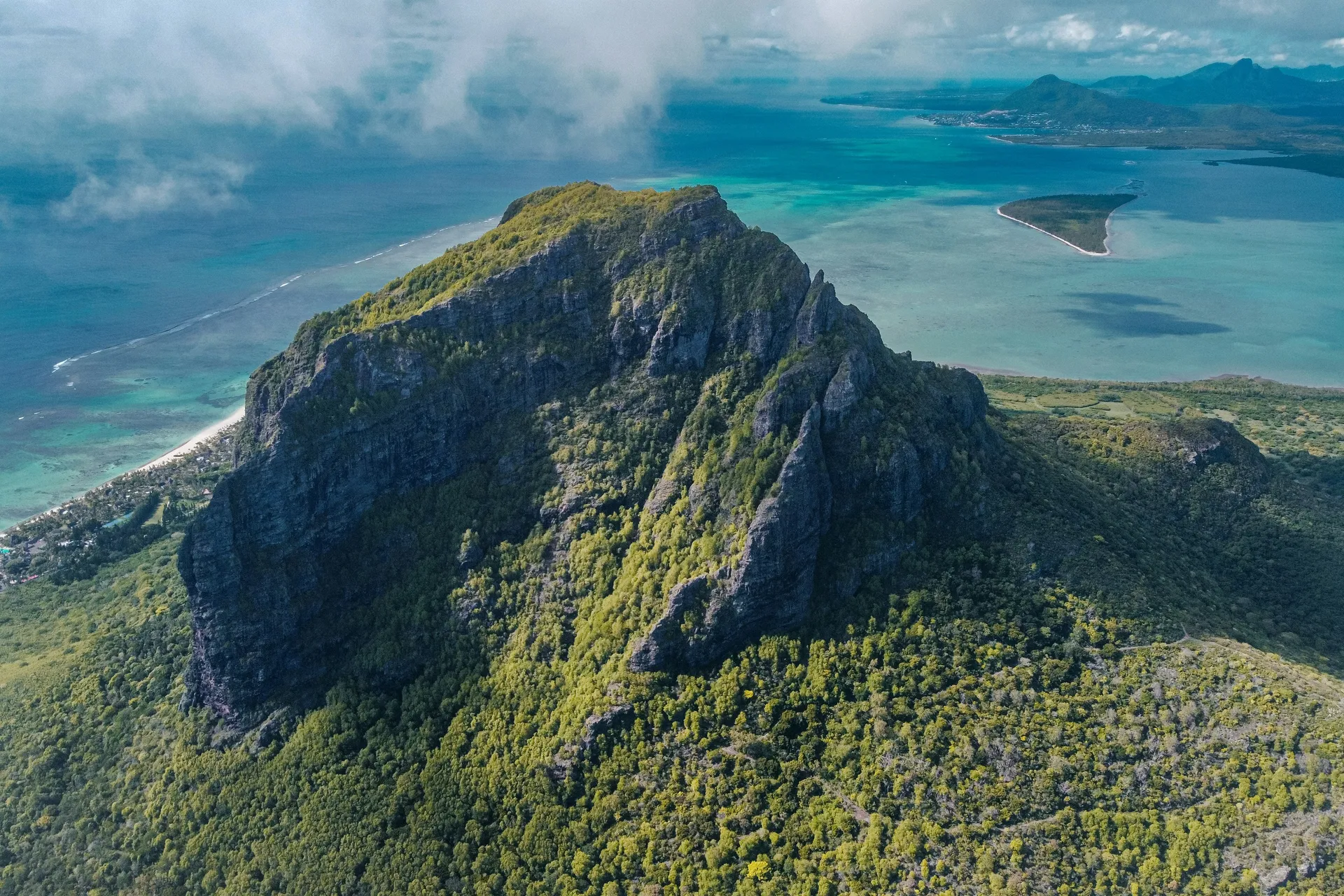
Photo by Daniel Klein on Unsplash
Mauritius sits south of the equator, which flips the calendar most Indian travellers carry in their heads. Summer here runs November to April, winter runs May to October, and neither one is a washout. The island is also small, about 65 km top to bottom, so you can cross it in under two hours, which means the coast you pick often matters as much as the month. Here is the best time to visit Mauritius broken down properly, with honest notes on crowd levels and where your rupee goes furthest.
The two seasons, plainly
Summer, November to April. Hot and humid at the coast, roughly 25 to 33 degrees Celsius, sea around 27 to 28. Rain usually arrives as short heavy bursts, often in the afternoon, rather than all day grey. This is also the cyclone window, with the real risk concentrated in January, February and early March.
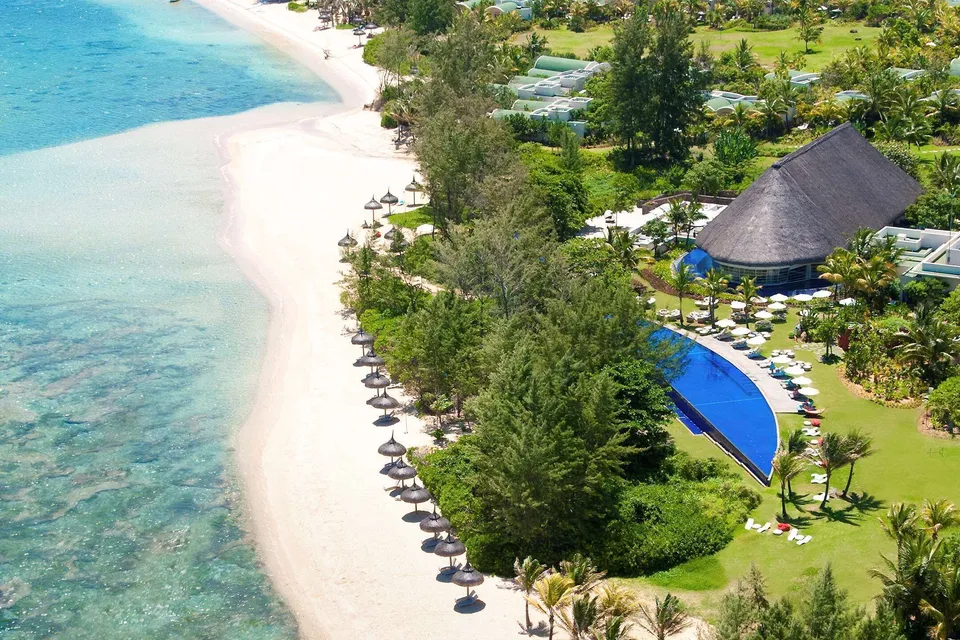
Winter, May to October. Drier and easier, roughly 18 to 26 degrees at the coast, sea around 22 to 24. Southeast trade winds strengthen from June to August, which makes the east coast (Belle Mare, Trou d'Eau Douce) breezy and pushes the calm water to the west and north (Flic en Flac, Le Morne, Grand Baie, Pereybere).
One caveat that trips people up when they check Mauritius weather online: the central plateau around Curepipe and Vacoas gets several times the rain the coast does, in every month. If your forecast app looks grim, check whether it is describing the plateau or your beach.
Month by month
- January and February. Hottest, wettest, cheapest. Humidity is heavy and cyclone probability peaks. Hotel rates often sit 30 to 40 percent below shoulder season. Fine if you are price led and flexible, risky if you have exactly one fixed week.
- March. Rain thins out through the month and cyclone risk drops after mid March, while rates stay low. Genuinely underrated.
- April. Warm sea, drying skies, moderate crowds. One of the best value months of the year, though prices firm up around Easter.
- May. Fresh, dry, comfortable and quiet, with the sea still very swimmable. Excellent all rounder.
- June. Little rain, cooler mornings, wind building on the east coast. Rates climb in the last week as northern hemisphere holidays start.
- July and August. Coolest and windiest stretch, and still high season because European, South African and Indian school holidays all land here. Strong for kitesurfing at Le Morne and humpback sightings off Tamarin, weaker for long lazy swims and for east coast resorts.
- September. Dry, warming, and among the least crowded weeks of the year. One of the best months for a first trip.
- October. The sweet spot for many people: warm, dry, calm water, wind gone. Prices are firm but not absurd. Diwali dates can spike flight fares, so book early if your trip falls there.
- November. Warm, mostly dry, and sensibly priced right up to about the middle of December.
- December. Two different months in one. The first fortnight is lovely and fairly priced. From roughly 20 December to 5 January, rates can double and Grand Baie is shoulder to shoulder.
When prices peak and when they dip
Think of it as three tiers. Peak is 20 December to 5 January, then July and August, then Easter week, plus Diwali and Indian long weekends for flights specifically. Mid is April to June and September to early December. Low is mid January to mid March.
Approximate return fares from Indian metros, and these move constantly, so treat them as a ballpark: Rs 35,000 to 45,000 in the low window, Rs 45,000 to 60,000 in the shoulder, and Rs 80,000 upward across Christmas and New Year. Air Mauritius flies direct from Mumbai and Delhi, roughly six to six and a half hours from Mumbai, and one stop routings via Dubai, Doha, Colombo or Nairobi are usually cheaper if you do not mind the layover.
Hotels swing harder than flights. A good four star on half board that costs about Rs 12,000 to 16,000 a night in February can be Rs 22,000 to 30,000 in October and well past Rs 45,000 over New Year, for the identical room.
The shoulder months that beat both
If you want one answer to when to go to Mauritius, it is late April to early June or September to early November. You get winter's dry, settled weather with summer's warm sea, resorts are running full service, excursion boats are not overbooked, and you pay mid season rates. September and early October in particular give you calm lagoons, good snorkelling visibility at Blue Bay, and beaches where you can still find a lounger at 10 am.
Ask our Mauritius team to pin your dates and price them
Tell us where and when - a specialist replies with a plan and a price, usually within two hours.
What each season is actually good for
- Diving and snorkelling: November to April for visibility, with October and November balancing warm water and calm seas.
- Kitesurfing: June to September at Le Morne, when the trade winds are reliable.
- Whale watching: humpbacks pass the west coast roughly July to October.
- Hiking Le Morne Brabant or Black River Gorges: May to September, cool enough to climb without suffering.
- Lazy beach honeymoon: April, May, September, October.
What most guides get wrong
The standard advice is to avoid January to March entirely. That is overcautious. Cyclones are tracked days in advance, resorts run drills, and in most Januarys the actual disruption is a couple of wet afternoons rather than a wrecked holiday. With proper travel insurance and a loose itinerary, low season gives you the same lagoon at meaningfully lower cost. What you should not do is book a rigid six night trip with non refundable excursions in mid February and expect it to run to plan.
A genuine skip: do not spend a peak season day on the standard Ile aux Cerfs catamaran cruise in late December. The island is lovely and near empty in May, and a circus when six boats unload at once. Swap it for a south coast day around Gris Gris and Le Souffleur, or a quiet morning at Ile aux Aigrettes.
Know before you go
- Indian passport holders currently get visa free entry on arrival for tourism, subject to conditions such as a return ticket, confirmed stay and sufficient funds. Rules change, so confirm on the official Mauritius Passport and Immigration Office portal before booking.
- There is an online arrival form to complete shortly before departure. Check the current requirement on the official portal, not on a blog.
- The Mauritian rupee is worth roughly Rs 1.8 to Rs 1.9 (approximate, check on the day). Cards work widely, carry some cash for markets and buses.
- Vegetarian food is easy. Around two thirds of Mauritians are of Indian origin, so dholl puri, farata, veg biryani and full thalis are everywhere. Jain or no onion no garlic meals are better arranged with the hotel in advance.
- Plugs are mostly UK style three pin, so carry a universal adapter, and remember driving is on the left.
- Carry one light layer for June to August evenings, especially if you head up to Chamarel or Curepipe.
Related Mauritius Travel Guides
Planning a trip to Mauritius? Check out our tested guides for real Indian traveler budgets, day-by-day itineraries, and insider tips:
- Complete Planning Guide: Mauritius Trip from India: The Complete Planning Guide
- Visa & Immigration: Mauritius Visa for Indians: Rules, Fees & Entry Form
- Trip Budget & Flights: Mauritius Trip Cost from India: A Real Budget Breakdown
- 7-Day Itinerary: Mauritius in 7 Days: The First Timer's Itinerary
Questions people ask
Which month is the best time to visit Mauritius?
October, November, and December are the best overall months to visit Mauritius. The weather is warm and sunny (26°C–30°C), sea waters are calm and clear, humidity is moderate, and it precedes the tropical cyclone peak of late January and February.
What is winter like in Mauritius (May to September)?
Winter in Mauritius is very mild and pleasant, with daytime temperatures around 22°C to 26°C and cooler evenings around 17°C to 19°C. The East Coast experiences brisk trade winds, while the North and West coasts (Grand Baie, Flic-en-Flac) remain sunny and sheltered.
When is the cyclone season in Mauritius and should tourists avoid it?
Tropical cyclones occasionally form in the southwest Indian Ocean between January and March. Severe cyclone strikes are rare, but passing systems can bring 2 to 3 days of heavy rain and wind. Resilient infrastructure and early warning tracking ensure visitor safety.
What are the cheapest months to visit Mauritius from India?
May, June, July, and September offer the best value, with flight discounts and resort rates dropping by 30% to 45% compared to December and January peak dates.
When is the best time for scuba diving and snorkelling in Mauritius?
November to April is the best window for diving. Warmer water temperatures (27°C–29°C) attract abundant marine life, including sea turtles, reef sharks, and eagle rays, with visibility often exceeding 25 metres.
Can you swim in the sea during winter (June to August) in Mauritius?
Yes, especially along the North and West coasts (Trou aux Biches, Mont Choisy, Flic-en-Flac) where sea temperatures stay around 23°C to 24°C, which is pleasant for casual swimming and water sports.
When is whale watching season in Mauritius?
Sperm whales reside off the West Coast of Mauritius year-round. Migratory humpback whales can be observed breaching off the southwestern coast between June and October.
How does the weather differ between the North, South, East, and West coasts?
The West and North coasts receive the most sunshine and least rainfall throughout the year. The Central Plateau (Curepipe) is noticeably cooler and wetter, while the East Coast experiences stronger trade winds, especially in winter.
Written by
Ananya Iyer
Maldives & Indian Ocean Specialist. Ananya plans beach and island holidays across the Maldives and Mauritius for Indian travellers, and spends most of her research time on resort selection, transfers and meal plans.
All guides by Ananya →02More from Mauritius
- 01Long Beach Mauritius Review for Indian Couples and Families9 min
- 02Half Board or All-Inclusive in Mauritius: What Saves You Money8 min
- 03Mauritius Trip Cost for a Family of 4: Real 5-Night Budget10 min
- 04Mauritius vs Bali for Honeymoon: Which Is Cheaper for Indians?9 min
- 05Where to Stay in Mauritius: Areas and Resorts Honestly Compared6 min
- 06Mauritius in 7 Days: The First Timer's Itinerary6 min
03Popular packages
All 4 →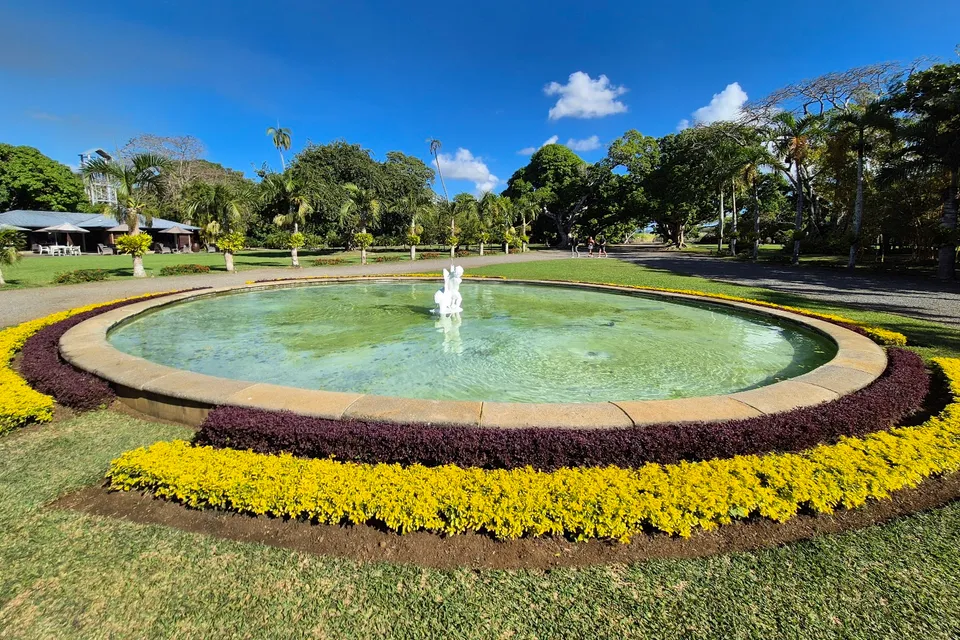
MauritiusView
6D/5N - OUTRIGGER Mauritius Beach Resort - Half Board (Private)
5 nights
₹75,000per adult
04You might also like

destination guides6 min read
Mauritius Trip from India: The Complete Planning Guide
How many days, what it costs, when to go and where to stay in Mauritius, planned for Indian travellers with rupee budgets and direct flights.
Ananya Iyer
visa documents5 min read
Mauritius Visa for Indians: Rules, Fees and How to Apply
What an Indian passport really needs for Mauritius: entry rules, the free arrival form, honest fee bands, documents to carry and why travellers get delayed.
Ananya Iyer
Planning a Mauritius trip?
Tell us where and when - a specialist replies with a plan and a price, usually within two hours.