
Thailand Travel Tips for Indians: Money, SIM, Food and Etiquette
Currency, SIM, plugs, veg food and etiquette, sorted before you land in Bangkok
By Kabir Nair, Southeast Asia Specialist · · Updated
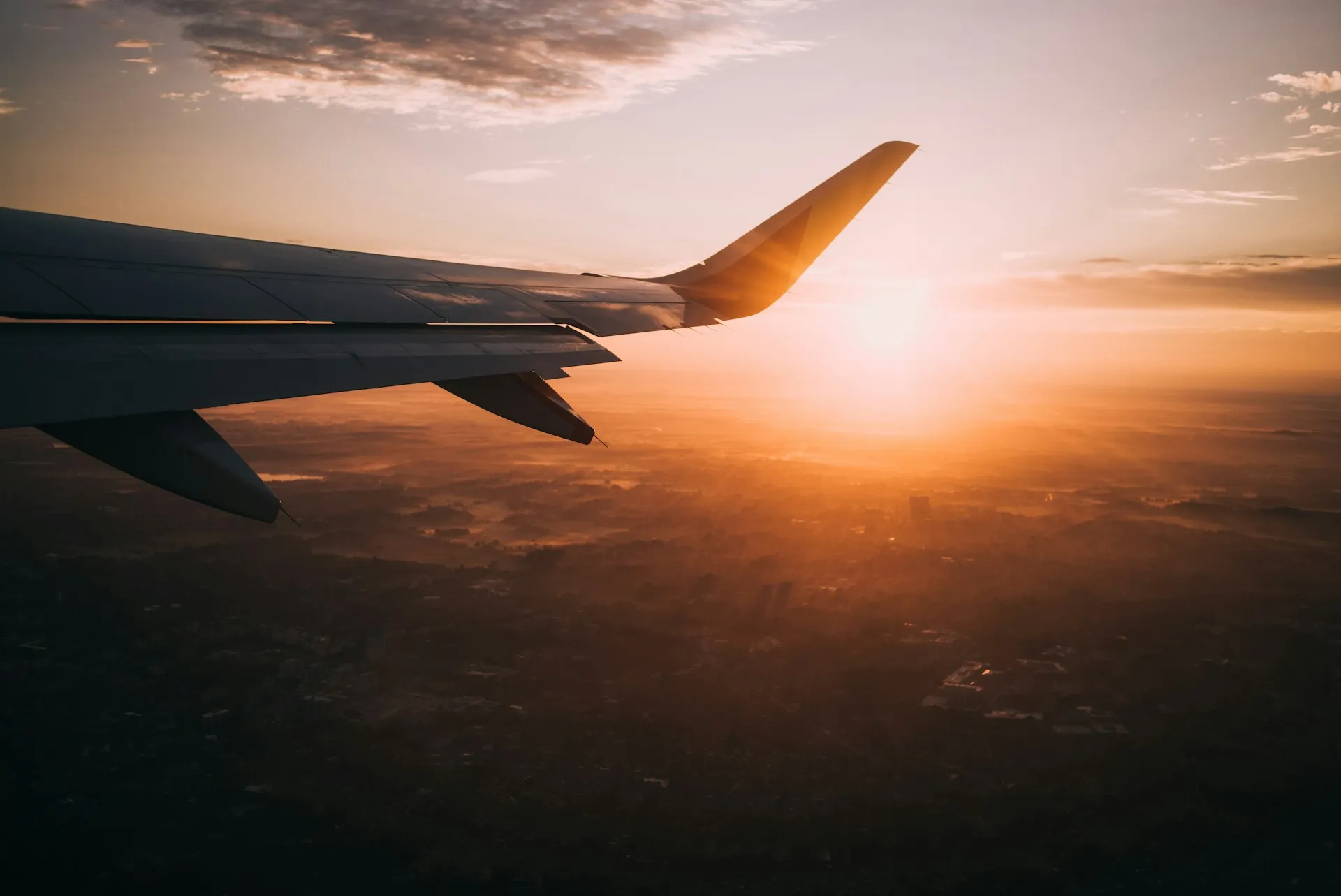
Photo by Hanny Naibaho on Unsplash
Thailand is the easiest first trip abroad for most Indians, which is exactly why people land under-prepared. What trips them up is always small: the wrong exchange counter, a charger that will not fit the socket, a "vegetable" curry with fish sauce in it, a vape in the cabin bag. These thailand travel tips cover what matters after you clear immigration.
Money: baht, rates and where not to change cash
The thailand currency is the baht (THB), recently around Rs 2.60 to Rs 2.80 per baht. Multiply baht by 2.5 and add a little for a quick head estimate. Those are approximate figures, so check the live rate on your travel day.
- Skip the Indian airport counters. They give the worst rate of the whole trip.
- Change 2,000 to 3,000 baht at Suvarnabhumi for the taxi and first meal, then use SuperRich or Vasu Exchange in the city. City counters usually beat the airport by 3 to 5 percent.
- Carry US dollars, not rupees. INR rates in Bangkok are poor and many counters refuse rupee notes.
- Thai ATMs charge a fixed 220 baht per withdrawal on top of your bank's fee, so pull 10,000 to 20,000 baht at a time.
- TCS applies on forex loaded above the LRS threshold, and that threshold has moved in recent budgets. Ask your bank what applies this financial year.
- The 7 percent VAT is refundable on shopping above roughly 2,000 baht per store per day, subject to a minimum total. Ask for the form with your passport and claim before check-in.
Cards and UPI: what actually works
Visa and Mastercard are fine at malls like ICONSIAM and Siam Paragon, at hotels and at chain restaurants. Cash runs everything else: street food, songthaews, island boats, markets, small massage shops, temple entry. A forex card beats a credit card on markup, and if a machine offers to bill you in rupees, decline and pay in baht, since that conversion quietly costs 3 to 5 percent.
What most Indian blogs get wrong: UPI is not generally accepted in Thailand. Linking it with Thailand's PromptPay has been discussed and an odd merchant may take it, but do not plan your spending around it.
Getting a Thailand SIM card or eSIM
AIS, TrueMove H and dtac counters sit in the Suvarnabhumi and Don Mueang arrival halls. A tourist thailand sim card runs roughly 300 to 600 baht for 8 to 15 days with generous data. Your passport is required to register, which is law here, not a formality.
- An eSIM bought before you fly costs about Rs 500 to Rs 900 for 10 GB and works the minute you land. Best for a 5 to 7 day trip.
- Keep your Indian SIM active for bank OTPs and run data on the Thai line.
- Roaming packs from Indian operators cost more for the same data. Worth it only on a 2 or 3 night trip.
- 7-Eleven sells top-ups on nearly every corner, so running out is never a crisis.
Plugs, voltage and gadgets
Thailand runs on 220V, 50Hz, same as India, so leave the converter at home. Sockets take flat and round two-pin plugs, so slim Indian chargers and laptop bricks fit. The chunky Indian three-pin plug with fat round pins will not, so pack one universal adapter per family. Power banks go in cabin baggage, never checked in.
Chat with our Thailand experts on WhatsApp
Tell us where and when - a specialist replies with a plan and a price, usually within two hours.
Indian and vegetarian food: what to say, where to go
In Bangkok, Pahurat (Little India) beside Chinatown has the North Indian restaurants around Chakraphet Road plus the Gurudwara Siri Guru Singh Sabha, which serves langar. Sukhumvit has Indian kitchens around Soi 11 and Gujarati thali places further down. Patong, Pattaya and Ao Nang all have Indian food. Koh Lanta and Koh Tao are thin on it, so plan those days around Thai dishes you can eat.
For pure vegetarians the trap is not meat, it is fish sauce (nam pla), oyster sauce and shrimp paste (kapi). They hide in dishes that look entirely vegetable, including papaya salad and standard pad thai, and in most red and green curry pastes.
- Say "gin jay" for strict vegan Buddhist food and look for the yellow flag with red script.
- "Mangsawirat" means vegetarian but may include egg and dairy.
- "Mai sai nam pla, mai sai kapi" means no fish sauce, no shrimp paste. Learn this line by heart.
- Safe orders: pad thai jay, morning glory without oyster sauce, jay green curry, mango sticky rice, banana roti.
Tipping, taxis and everyday manners
Tipping is not compulsory. Leaving the coins from your change is normal, 20 to 50 baht suits a hotel porter, and 50 to 100 baht after an hour of massage reads as generous. Mid-range and upscale restaurants often add 10 percent service charge plus 7 percent VAT; if that line is on the bill, no extra tip is expected.
For taxis, insist on the meter. At Suvarnabhumi join the public queue on the arrivals level (the 50 baht surcharge there is legitimate) and ignore anyone offering a limousine inside the terminal. Grab and Bolt work well, and the BTS and MRT beat a car in Bangkok traffic almost every time.
Skip this: the tuk-tuk as transport. It is fun for a ten minute photo ride, but otherwise two to three times a metered taxi, and it is where the "the Grand Palace is closed today, let me take you to a gem shop" routine begins.
Etiquette, dress and the rules people break
- Never joke about or criticise the Thai royal family. Lese majeste laws are enforced and apply to foreigners. Do not step on a dropped banknote or coin, since they carry the King's image.
- Feet are lowest, the head highest. Do not point your feet at people or Buddha images, and do not pat anyone on the head.
- Shoes come off at temples, homes and many massage shops. Temples want shoulders and knees covered, men included, and the Grand Palace enforces it strictly, so carry a scarf and long trousers rather than queue for rented cover-ups.
- Women set an item down for a monk to pick up rather than hand it over.
- Keep your voice low. "Jai yen" (cool heart) is the standard, and losing your temper is the fastest way to stop getting help.
- Vapes and e-cigarettes are illegal in Thailand and possession can mean confiscation and a fine. Most Indian travellers have no idea.
Safety and paperwork
Violent crime is low; use normal care on the Patong and Pattaya nightlife strips. The scams to know are jet ski damage claims, free tailor tours and inflated bar bills. Photograph any jet ski or scooter from every angle before taking it, and never leave your passport as a rental deposit. Offer cash or a photocopy instead.
Riding a scooter needs an International Driving Permit alongside your Indian licence, plus a helmet. Get the IDP from your RTO before you leave, or expect a police fine and an insurer who may refuse a claim.
Indian passport holders currently get a visa exemption for short tourist stays, and Thailand also asks arrivals to fill a free online digital arrival card shortly before travel, so ignore lookalike sites charging a processing fee. Both rules have changed recently, so confirm on the official Thai immigration portal close to departure. Immigration can also ask for proof of funds, roughly 20,000 baht per person.
Know before you go
- Kolkata to Bangkok is about 2 hours 30 minutes, Delhi about 4 hours 15 minutes. Return fares from Indian metros run approximately Rs 18,000 to Rs 35,000.
- Nov to Feb is the dry window. Jun to Oct is cheaper, with rain that is short and heavy rather than all day.
- Sunscreens with oxybenzone are banned in Thai marine national parks, with steep fines. Buy a reef-safe one at home.
- Forgotten items: universal adapter, dry bag for island boats, a light jacket for over-cooled malls and buses, ORS sachets, repellent, hotel address printed in Thai script.
- Keep a passport scan in your email and download Grab plus offline Google Maps before you land.
Related Thailand Travel Guides
Planning a trip to Thailand? Check out our tested guides for real Indian traveler budgets, day-by-day itineraries, and insider tips:
- Complete Planning Guide: Thailand Trip from India: The Complete Planning Guide
- Visa & Entry Exemption: Thailand Visa for Indians: Rules, Fees & Visa Exemption
- Trip Budget & Costs: Thailand Trip Cost from India: A Real Budget Breakdown
- Bangkok & Islands Itinerary: Thailand Itinerary: Bangkok, Phuket and the Islands
Questions people ask
How should Indian travellers carry and exchange money in Thailand?
Carry $150 to $200 in clean USD cash notes or withdraw Thai Baht in bulk (20,000–30,000 THB) using a zero-forex debit card (Niyo, Fi) to minimize the 220 THB ATM fee. SuperRich counters in Bangkok offer the best currency exchange rates.
How do you get a mobile internet SIM card or eSIM in Thailand?
AIS, TrueMove H, and dtac operate 24/7 service counters at Bangkok (Suvarnabhumi & Don Mueang) and Phuket airports. A tourist SIM with 30GB to 50GB 5G data for 8 to 15 days costs 299 to 399 THB (Rs 700 to Rs 950). Alternatively, activate an eSIM before departure.
How can Indian vegetarians find pure veg and Jain food in Thailand?
Look for signs displaying the yellow flag with red Thai character "เจ" (Jay), which indicates 100% vegan food without animal broths, fish sauce, onions, or garlic. Dedicated Indian restaurants are abundant in Sukhumvit, Patong, and Ao Nang.
How do you book taxis safely and avoid overcharging in Thailand?
Always use ride-hailing apps like Grab or Bolt for transparent, fixed pricing. If taking a traditional street taxi in Bangkok, insist firmly on "Meter please"; if the driver refuses the meter, simply wave down another taxi.
Can Indian tourists rent and ride scooters in Thailand?
Yes, but you MUST hold an International Driving Permit (IDP 1949) with motorcycle endorsement and wear a strapped helmet. Traffic police in Phuket, Pattaya, and Chiang Mai frequently stop foreign riders and impose fines of 500 to 1,000 THB for riding without an IDP or helmet.
What electrical plug type is used in Thailand?
Thailand uses hybrid Type A, B, and C plug sockets operating at 220V/50Hz. Indian standard two-pin round plugs (Type C) fit directly into Thai wall sockets without an adapter.
What is the tipping culture in Thailand?
Tipping is not strictly mandatory, but leaving 20 to 50 THB for hotel bellhops, 50 to 100 THB per day for tour drivers, and rounding up restaurant change is appreciated.
What common tourist scams should travellers avoid in Thailand?
1) The "Grand Palace is Closed" tuk-tuk scam (touts redirecting you to gem shops); 2) Jet-ski damage scams (always inspect and photograph rented jet-skis beforehand); 3) Unmetered airport taxi overcharges.
Written by
Kabir Nair
Southeast Asia Specialist. Kabir builds Thailand and Vietnam trips for first-timers and repeat visitors, from island-hopping in the Andaman to overland routes down Vietnam.
All guides by Kabir →
02More from Thailand
- 01Bali vs Thailand for Indians: Which Is Cheaper and Better in 2026?10 min
- 02Bangkok Pattaya Package: What 4 Nights Really Cost in 202610 min
- 03Phuket and Krabi Package Price for a Couple: 5 Nights10 min
- 04Thailand Trip for a Family of 4 from India: The Real Cost10 min
- 05Dubai or Thailand: Which Is Cheaper for Indians?10 min
- 06Thailand Honeymoon Guide (2026): Koh Samui & Krabi Villas, Phuket & Real Costs
03Nearby destinations
04You might also like
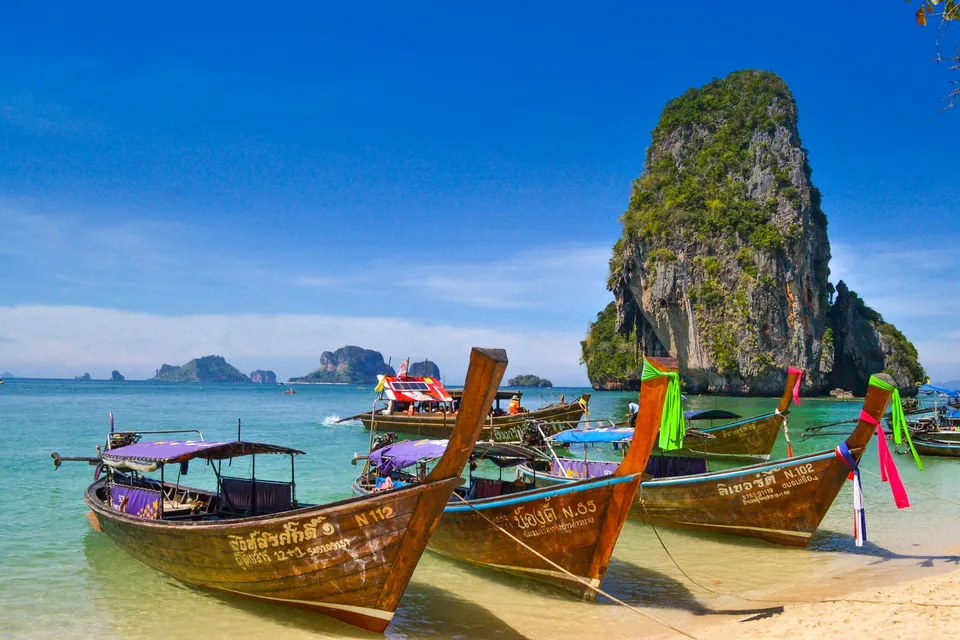
Thailand Trip from India: The Complete Planning Guide
Plan a Thailand trip from India: how many days, rough rupee budgets, visa in one line, when to go and where to base yourself.
Thailand Visa for Indians: Rules, Fees and How to Apply
What an Indian passport needs for Thailand: visa free rules, e visa fees in rupees, the digital arrival card and why travellers get stopped.
Planning a Thailand trip?
Tell us where and when - a specialist replies with a plan and a price, usually within two hours.