
Best Time to Visit Thailand: Weather and Seasons Explained
Cool, hot and green seasons, and why the Andaman and Gulf coasts peak at opposite times.
By Kabir Nair, Southeast Asia Specialist · · Updated

Photo by Miltiadis Fragkidis on Unsplash
Thailand runs on three seasons, not four, and getting the timing right shapes the whole trip. Short version: the cool season (November to February) gives the most reliable weather, the hot season (March to May) turns up the heat and brings Songkran, and the green or rainy season (June to October) is when prices fall and crowds thin. The catch that trips up most first-timers: Thailand's two coasts do not share a calendar, so the best time to visit Thailand depends heavily on which coast you pick, the Andaman side or the Gulf. Here is how Thailand weather and seasons actually play out, and how to time your trip for good conditions, fair prices, or both.
Thailand's three seasons at a glance
- Cool season (November to February): dry, comfortable, peak crowds and peak prices.
- Hot season (March to May): hot and humid inland, strong sun, the Songkran water festival in mid-April.
- Green season (June to October): short heavy showers, lush scenery, the lowest prices of the year.
Temperatures across most of the country sit between the high 20s and high 30s Celsius year round. What really changes through the Thailand seasons is the rain and the humidity, not the heat.
Cool season (November to February): the easy choice
This is the postcard version of Thailand. Skies are mostly clear, humidity drops, and the sea is calm on the Andaman coast. It is the best window for island hopping around Phuket, Krabi and Phi Phi, and for temple days in Bangkok without wilting.
The trade-off is company and cost. December and January are the busiest, most expensive weeks of the year, lining up with the Christmas and New Year rush and Indian holiday breaks. A mid-range island resort that runs around 4,000 to 6,000 rupees a night in the green season can easily double over the year-end peak (approximate). If you want cool-season weather with more breathing room, aim for November or February instead. Up north in Chiang Mai and Pai, mornings in December and January can be genuinely cold, so pack a layer.
Hot season (March to May): heat, Songkran and beach time
From March the mercury climbs, and by April much of the country, Bangkok especially, is hot and sticky. This is not the season for long temple treks or midday city sightseeing. It is, however, a fine time for the beach, since the Andaman sea stays calm into April.
The headline event is Songkran, the Thai New Year, around 13 to 15 April, when streets across the country turn into a giant water fight. It is a lot of fun, but book accommodation and transport well ahead, and expect some shops and offices to shut for a few days. One thing most guides skip: from roughly late February to April, farmers in the north burn their fields, and the haze over Chiang Mai can get bad enough to spoil the views and irritate your lungs. If clean mountain air is the point of your trip, skip the north in these months.
Ask our Thailand experts to pin down your best month on WhatsApp
Tell us where and when - a specialist replies with a plan and a price, usually within two hours.
Green season (June to October): value and fewer crowds
The rainy season scares people off, and that is exactly why it can be the smartest time to go. Rain here usually means a heavy downpour for an hour or two, often in the late afternoon, rather than grey skies all day. In between, the light is lovely, the jungle is at its greenest, and the waterfalls are actually running.
The real reward is value. Island hotel rates can drop by a third or more against December prices, flights from India are cheaper, and popular spots feel calm. If you do not mind carrying a light rain jacket and staying flexible, June to September is the best-value stretch of the year. October is the wettest month on the Andaman side and the least predictable, so treat it as a bit of a gamble.
Andaman vs Gulf: opposite best windows
Here is the part most guides gloss over. Thailand's two coasts sit on opposite monsoon calendars, so knowing which one you want changes when to go to Thailand entirely.
- Andaman coast (Phuket, Krabi, Phi Phi, Khao Lak, Koh Lanta): best from November to April, when seas are calm and skies clear. The southwest monsoon from May to October brings rougher water and more rain. The Similan and Surin islands, prime diving and snorkelling territory, close each year (roughly mid-October to mid-May) and reopen only for the dry months.
- Gulf coast (Koh Samui, Koh Phangan, Koh Tao): a different rhythm. These islands stay fairly dry from around February to September and get their heaviest rain from October to December, with November the wettest.
The practical takeaway: if you are travelling in July, August or September and want beach weather, choose Samui and its neighbours over Phuket. If you are going between November and April, the Andaman coast is prime, though Samui can still be wet in November. This single choice, west coast or lower gulf, matters more than the calendar month on its own.
Know before you go
- Book the year-end peak early. Late December and early January sell out and cost the most, so reserve hotels and internal flights weeks ahead.
- Green-season rain is short, not constant. Keep an indoor option for the afternoon and you will rarely lose a whole day.
- Mind the northern haze. Late February to April is field-burning season around Chiang Mai, and air quality can be poor.
- Getting there is easy. Direct flights from Delhi, Mumbai, Bengaluru and other metros reach Bangkok in about 4.5 hours, and fares are lowest in the green season.
- Check visa rules before you fly. Indian passport holders have recently enjoyed visa-free tourist entry, but confirm the current limit and paperwork close to your travel date.
- Pack for the season. Light, breathable clothing all year, a compact rain jacket for June to October, and a warm layer for northern mornings in December and January.
Related Thailand Travel Guides
Planning a trip to Thailand? Check out our tested guides for real Indian traveler budgets, day-by-day itineraries, and insider tips:
- Complete Planning Guide: Thailand Trip from India: The Complete Planning Guide
- Visa & Entry Exemption: Thailand Visa for Indians: Rules, Fees & Visa Exemption
- Trip Budget & Costs: Thailand Trip Cost from India: A Real Budget Breakdown
- Bangkok & Islands Itinerary: Thailand Itinerary: Bangkok, Phuket and the Islands
Questions people ask
Which months are the best time to visit Thailand overall?
November to February is the optimal window across the entire country: temperatures are comfortable (24°C–31°C), rainfall is low, humidity is pleasant, and the sea is calm for island boat tours in Phuket, Krabi, and the Phi Phi islands.
What is the difference in weather between Phuket (Andaman Coast) and Koh Samui (Gulf Coast)?
Phuket and Krabi (West Coast) receive their heaviest monsoon rainfall between May and October. In contrast, Koh Samui and Koh Phangan (East Coast) stay sunny and dry between June and September, experiencing their rainy season later from October to December.
What are the cheapest months to visit Thailand from India?
May, June, and September offer the lowest flight fares and up to 50% discounts on luxury 5-star beachfront resorts in Phuket and Krabi.
What is the Songkran Water Festival and should tourists attend?
Songkran is the Thai Traditional New Year celebrated annually from April 13 to 15. The entire country engages in joyful nationwide water fights, street concerts, and temple blessings. It is an extraordinary cultural celebration, though hotel rates in Bangkok and Chiang Mai rise.
When does the Loy Krathong and Yi Peng Lantern Festival happen?
Loy Krathong (floating water baskets) and Yi Peng (releasing thousands of floating sky lanterns in Chiang Mai) take place on the full moon of the 12th lunar month, usually falling in mid-November.
How hot does Thailand get during the hot summer season (March to May)?
Daytime temperatures in Bangkok and Central Thailand frequently exceed 36°C to 40°C with high humidity. Sightseeing is best done early in the morning, spending afternoons in air-conditioned malls or beach swimming pools.
Does it rain all day during the monsoon season in Thailand?
No. Monsoon rain in Thailand typically consists of heavy 1-hour late afternoon thunderstorms, followed by clearing skies. It rarely rains continuously for entire days.
When is Maya Bay (Phi Phi Ley) closed for environmental rehabilitation?
Thailand's Department of National Parks closes Maya Bay to tourists annually for two months between August 1 and September 30 to allow coral reefs and marine life to recover.
Written by
Kabir Nair
Southeast Asia Specialist. Kabir builds Thailand and Vietnam trips for first-timers and repeat visitors, from island-hopping in the Andaman to overland routes down Vietnam.
All guides by Kabir →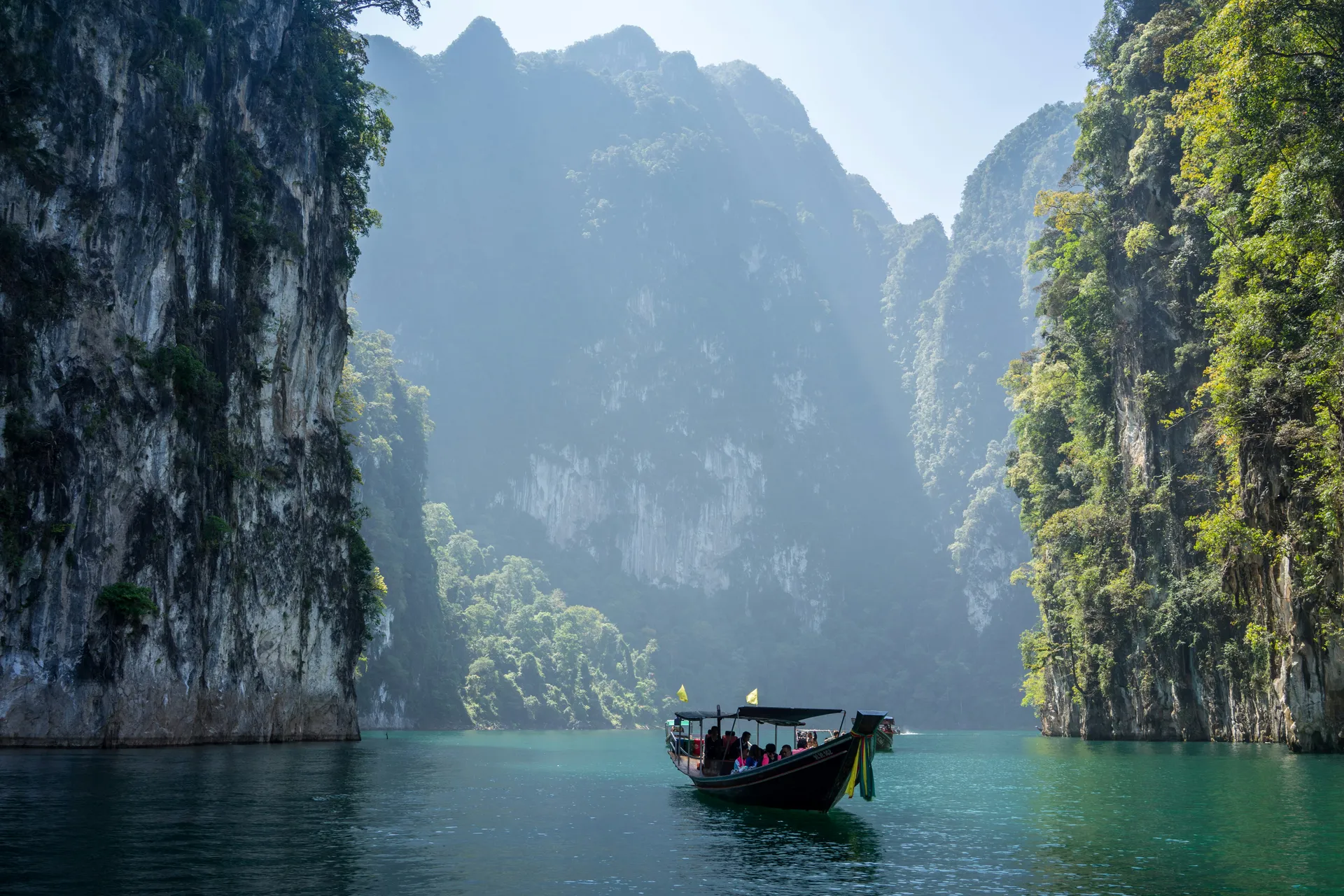
02More from Thailand
- 01Bali vs Thailand for Indians: Which Is Cheaper and Better in 2026?10 min
- 02Bangkok Pattaya Package: What 4 Nights Really Cost in 202610 min
- 03Phuket and Krabi Package Price for a Couple: 5 Nights10 min
- 04Thailand Trip for a Family of 4 from India: The Real Cost10 min
- 05Dubai or Thailand: Which Is Cheaper for Indians?10 min
- 06Thailand Honeymoon Guide (2026): Koh Samui & Krabi Villas, Phuket & Real Costs
03Nearby destinations
04You might also like
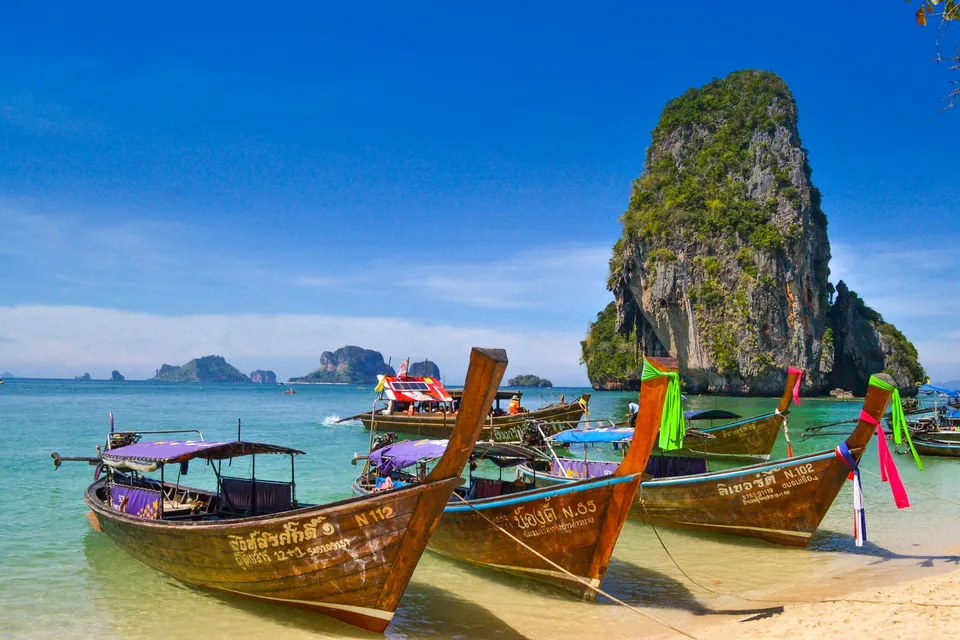
Thailand Trip from India: The Complete Planning Guide
Plan a Thailand trip from India: how many days, rough rupee budgets, visa in one line, when to go and where to base yourself.
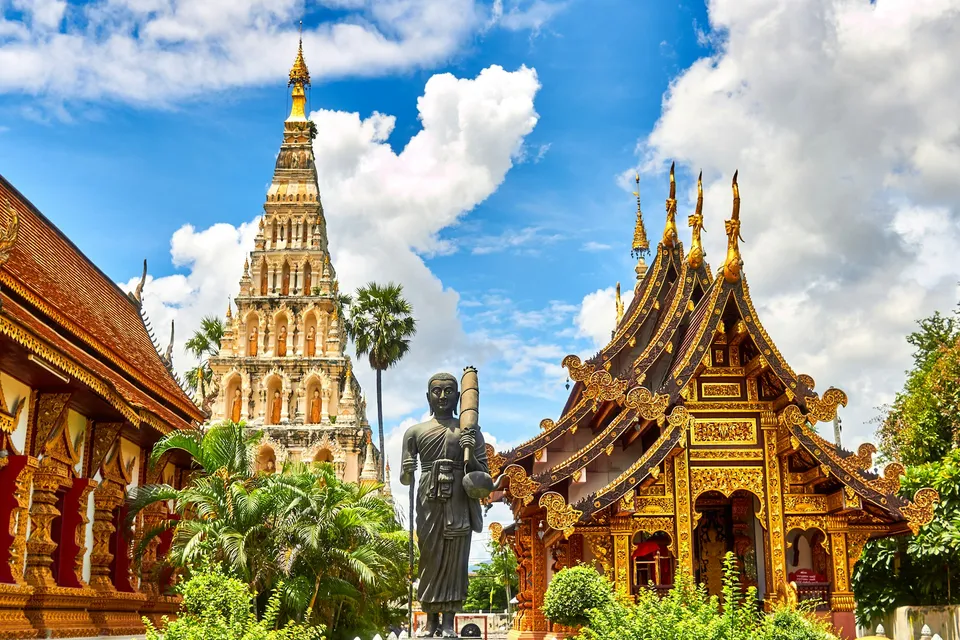
Thailand Itinerary: Bangkok, Phuket and the Islands
A practical first Thailand route: Bangkok temples and street food, then Phuket or Krabi with day trips to Phi Phi and James Bond Island.
Planning a Thailand trip?
Tell us where and when - a specialist replies with a plan and a price, usually within two hours.