
when to visit5 min read
Best Time to Visit the Maldives: Month by Month Weather Guide
Dry season vs wet season, and how to time your trip for weather, water and value.
By Ananya Iyer, Maldives & Indian Ocean Specialist · · Updated
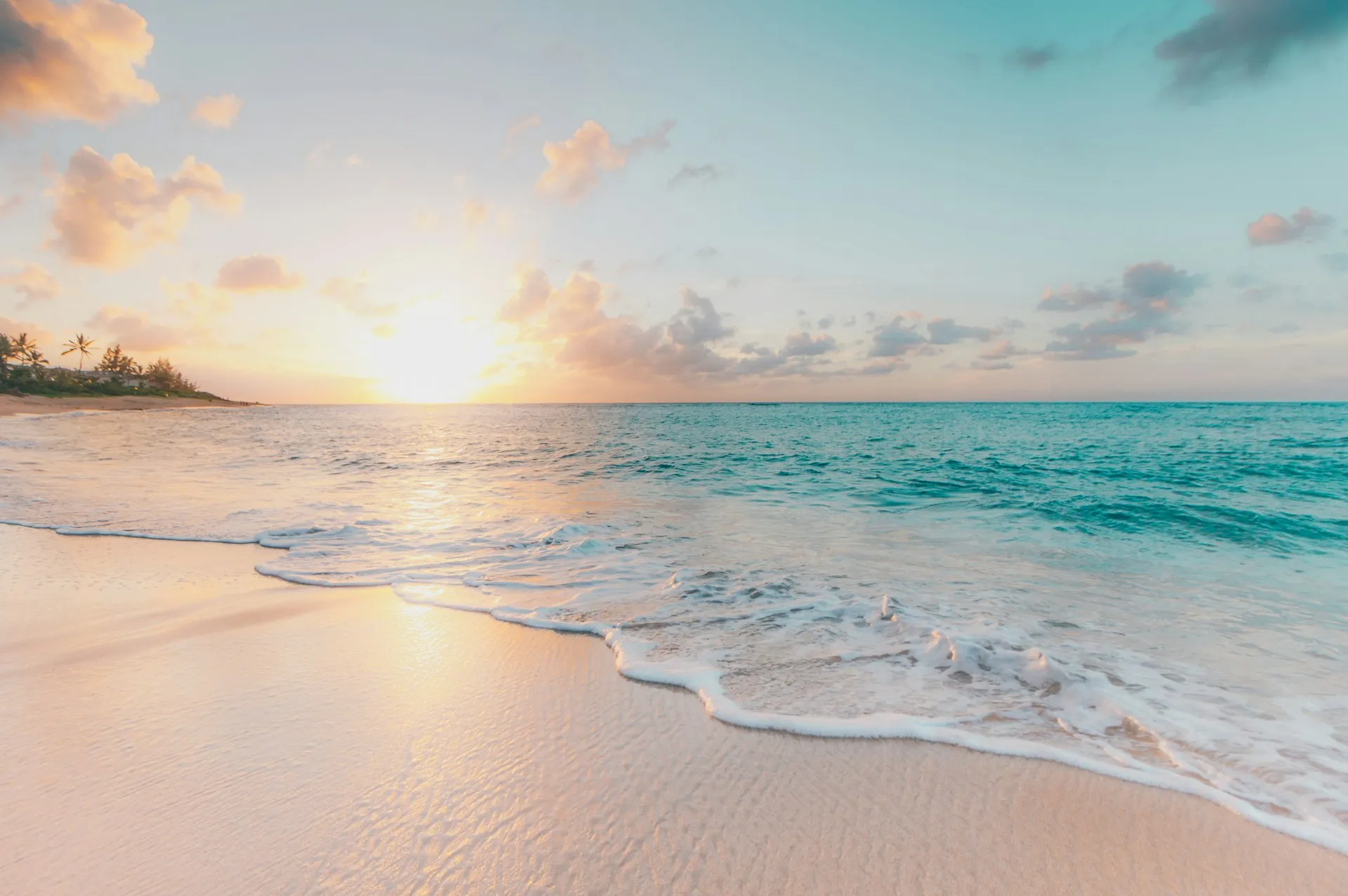
Photo by Sean Oulashin on Unsplash
The Maldives has two moods, and knowing which one you are booking into changes almost everything: your photos, your dive visibility, and your final bill. The dry season runs November to April, the wet season May to October, and the honest answer to the best time to visit the Maldives is "it depends on what you are optimising for". This month by month guide to Maldives weather helps you match your dates to what you actually want, whether that is glassy December lagoons or a quiet overwater villa at half the price.
The two seasons, in plain terms
Sitting right on the equator, the Maldives never really gets cold. Daytime temperatures stay around 28 to 31°C all year. What changes is rain and wind, driven by two monsoons.
- Iruvai (the dry, northeast monsoon), roughly November to April. Blue skies, calm seas, lower humidity. This is the Maldives dry season, and it is why the place looks the way it does on every postcard.
- Hulhangu (the wet, southwest monsoon), roughly May to October. More rain, more wind, choppier water. The Maldives monsoon is not the washout many Indian travellers fear. Rain tends to arrive in short, heavy bursts, often overnight, with plenty of sun in between.
Maldives weather, month by month
- November: The dry season is settling in. Rain tapers off and crowds are thin before the Christmas rush. Strong weather at fair prices, one of the smartest picks of the year.
- December: Peak everything. Near-perfect skies and calm water, plus the busiest and priciest fortnight of the year around Christmas and New Year. Book three to four months ahead.
- January: Prime dry season. Low humidity and excellent underwater visibility. Rates stay high but ease a little after the first week.
- February: Arguably the best all-rounder. Reliable sun, calm seas, top diving. Peak pricing continues.
- March: Still firmly dry and lovely, with warming seas. A good honeymoon month once the New Year crush clears.
- April: The last of the dry season, and the hottest, most humid stretch. Superb visibility underwater before the rains. Prices soften late in the month.
- May: The monsoon arrives and rates drop noticeably. Expect some rain and wind, but also long bright spells and quiet resorts.
- June: Wet, breezy, and one of the cheapest months. Surfers start showing up.
- July: Peak surf and a bump in European family traffic during summer holidays, so prices firm up a little.
- August: Still wet, still good value outside the mid-summer bump. Green, lush, dramatic skies.
- September: One of the quietest, cheapest months of all. If you do not mind rain, your rupee stretches furthest here.
- October: The tail of the wet season. Conditions start settling toward month's end, a sleeper pick for value hunters.
Diving and snorkelling windows
- Best all-round visibility: December to April, when the water is clearest and the reefs pop.
- Mantas and whale sharks: the wet season pushes plankton to the western atoll edges, so Baa Atoll's Hanifaru Bay peaks roughly June to October. The "worse" weather quietly delivers the best big-animal encounters, which is why keen divers often prefer the green months.
Surfing windows
The Maldives surf season runs roughly March to October, peaking June to September when the southwest monsoon sends consistent swell onto the reef breaks in the central and southern atolls. If waves are the point of your trip, the wet season is your friend, not your enemy.
Chat with our Maldives experts on WhatsApp
Tell us where and when - a specialist replies with a plan and a price, usually within two hours.
When prices peak and when they dip
- Highest: mid-December to mid-January (the festive peak), plus February.
- High: the rest of the dry season, so November, March and April.
- Lowest: May, June, September and October.
- The value sweet spot: late April to early May, and late October into November. These shoulder months give you mostly dry-season conditions at close to wet-season prices, which is the best trade many travellers never think to make.
For a first Maldives trip, a four to five night stay on a single resort island in this shoulder window is the sweet spot: enough time for a couple of dives or excursions without the transfer costs and rushing of island-hopping. A mid-range overwater villa in these weeks often runs roughly ₹1,20,000 to ₹1,80,000 per couple all in (approximate, and it climbs fast toward the festive peak).
How to pick shoulder months for value
If you are flexible, aim your dates at the edges of the seasons rather than the middle. Book a resort in the first ten days of May or the last ten days of October and you will often catch dry, sunny weather while paying rates set for the monsoon. Direct flights from Delhi, Mumbai, Bengaluru and Kochi to Malé are short (roughly 1.5 to 4.5 hours), so a four or five night trip is easy to justify even on a long weekend. Booking six to eight weeks ahead in these windows tends to beat both last-minute rates and the festive-peak scramble.
Know before you go
- Pack for water, not for cold. Reef-safe sunscreen, a rash guard and a light rain layer cover you in any month.
- Weather apps overstate the wet season. A forecast showing rain every day usually means an hour of downpour, not a lost day.
- Match the resort to the season. In the monsoon, pick atolls and resorts known for sheltered lagoons and calmer water.
- Ramadan and public holidays can shift resort dining and excursion timings, so check dates if they matter to you.
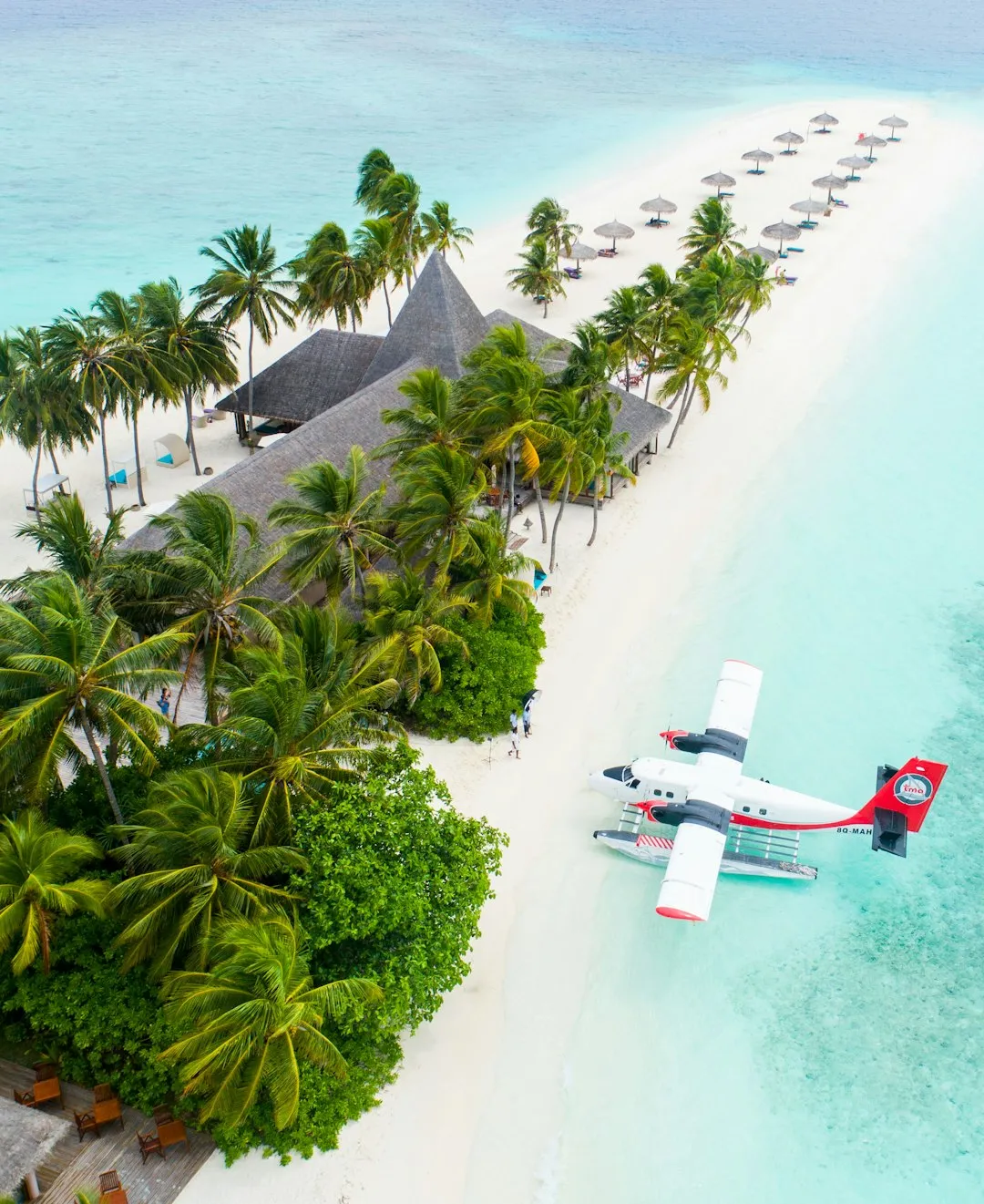
- Skip the seaplane obsession. A closer resort on a 20-minute speedboat transfer can be far cheaper than a distant one needing a costly seaplane hop, and seaplanes only fly in daylight, which can strand a late arrival overnight in Malé.
- The festive fortnight sells out first. If you have your heart set on the Maldives in December, treat three to four months out as the deadline, not the target.
The short version: go November to April for the calmest seas and clearest water, go May to October for surf, big marine life and the best prices, and aim for the shoulder months if you want most of the upside of both.
Related Maldives Travel Guides
Planning a trip to Maldives? Check out our tested guides for real Indian traveler budgets, day-by-day itineraries, and insider tips:
- Complete Planning Guide: Maldives Trip from India: The Complete Planning Guide
- Visa & Entry Rules: Maldives Visa for Indians: Rules, Fees & How to Apply
- Trip Budget & Resort Costs: Maldives Trip Cost from India: A Real Budget Breakdown
- 5-Day Itinerary: Maldives in 5 Days: A Relaxed First Trip Itinerary
Questions people ask
Which months offer the absolute best weather in the Maldives?
January to April is the prime dry season (Iruvai monsoon), featuring crystal-clear azure waters, almost no rainfall, gentle winds, and maximum underwater visibility (up to 30+ metres) for diving and snorkelling.
Is it worth visiting the Maldives during the monsoon/off-season (May to October)?
Yes, if you want significant savings (30% to 50% off resort villa rates) and fewer tourists. Rain usually comes in short, dramatic 30-minute tropical showers rather than constant grey skies. It is also the best time of year for surfing and spotting massive manta ray and whale shark aggregations in Baa Atoll.
When is the best time to see manta rays and whale sharks in the Maldives?
Whale sharks can be seen year-round in South Ari Atoll. For manta rays, the peak spectacle is between June and November at Hanifaru Bay in the UNESCO Biosphere Reserve of Baa Atoll, where hundreds gather during high tides to feed on concentrated plankton.
What is the cheapest month to travel to the Maldives from India?
May, June, and September offer the lowest resort rates and airfares of the year, making luxury overwater villas affordable on mid-range budgets.
Does it rain during the dry season in the Maldives?
Because the Maldives sits directly across the equator, brief passing showers can occur anytime, but dry season rains are infrequent and clear up within minutes under bright sunshine.
When is the peak holiday season in the Maldives to avoid if on a budget?
December 20 to January 10 (Christmas and New Year) is peak festive season, where resorts mandate expensive compulsory gala dinner surcharges ($300 to $800+ per person) and room rates double.
How warm is the water in the Maldives throughout the year?
Sea temperatures remain consistently tropical and warm year-round, averaging between 27°C and 30°C, meaning wetsuits are rarely needed for casual snorkelling.
What is the best month for a Maldives honeymoon?
November to early December and late April to May provide an ideal combination of romantic weather, fair villa pricing, and lower resort occupancy for greater privacy.
Written by
Ananya Iyer
Maldives & Indian Ocean Specialist. Ananya plans beach and island holidays across the Maldives and Mauritius for Indian travellers, and spends most of her research time on resort selection, transfers and meal plans.
All guides by Ananya →02More from Maldives
- 01Maldives All-Inclusive Packages from India: What a Couple Really Pays11 min
- 02Maldives Package for a Family of 4 from India: Cost and Resorts11 min
- 03Maldives Hidden Costs 2026: Green Tax, 17% TGST and What's Included10 min
- 04Maldives New Year Packages 2026: Price, Gala Dinners, Minimum Stays10 min
- 05Maldives Resorts Near Male Airport: 10 Speedboat Picks for 202610 min
- 06Siyam World Maldives Review: Who It Suits and What 4 Nights Cost11 min
03Popular packages
All 65 →
04Nearby destinations
05You might also like
destination guides6 min read
Maldives Trip from India: The Complete Planning Guide
How to plan a Maldives trip from India: how many days, rough rupee budgets, visa in one line, when to go, where to stay, and the booking order that saves money.
Ananya Iyer
honeymoon5 min read
Maldives Honeymoon Guide: Water Villas, Resorts and Real Costs
A practical Maldives honeymoon planner: water villa vs beach villa, seaplane vs speedboat, meal plans, and real INR budget bands.
Ananya Iyer
Planning a Maldives trip?
Tell us where and when - a specialist replies with a plan and a price, usually within two hours.