
where to stay6 min read
Where to Stay in Maldives: Areas and Resorts Honestly Compared
Near airport, far atoll or local island: pick the base, not just the photo.
By Ananya Iyer, Maldives & Indian Ocean Specialist · · Updated
Photo by Mohamed Thasneem on Unsplash
The Maldives is not a country where you pick a neighbourhood. It is roughly 1,200 islands, about 170 of them resorts, and almost every resort owns its island outright. So when you search where to stay in Maldives, you are not comparing maldives hotels the way you would in Bangkok, where a bad pick costs you a ten minute taxi. You are choosing the one island you wake up on every morning, plus the boat or plane that gets you there. That second part is where money and holiday days quietly disappear. Here is how the main maldives areas differ, who each suits, and the split stay that solves it for most people.
North and South Male Atoll: the sensible first-timer choice
These are the atolls ringing the airport. Resorts here sit 15 to 50 minutes away by speedboat: no seaplane, no daylight cutoff, no forced overnight in Male when your Delhi flight lands at 9 pm. Properties like Adaaran Rannalhi and Bandos give you a proper resort island within half an hour of landing.
Suits: first timers, short trips of three to four nights, families with young children, anyone arriving late.
The trade-off is traffic. This is the busiest water in the country: other boats, other islands on the horizon, reefs worked hard by day trippers. Some older properties sit in lagoons dredged during construction that never recovered, so the "house reef" is sand. Ask how far the living reef is from the beach in metres, and do not accept "excellent snorkelling" as an answer.
The far atolls: Baa, Raa, Noonu, Lhaviyani, Ari
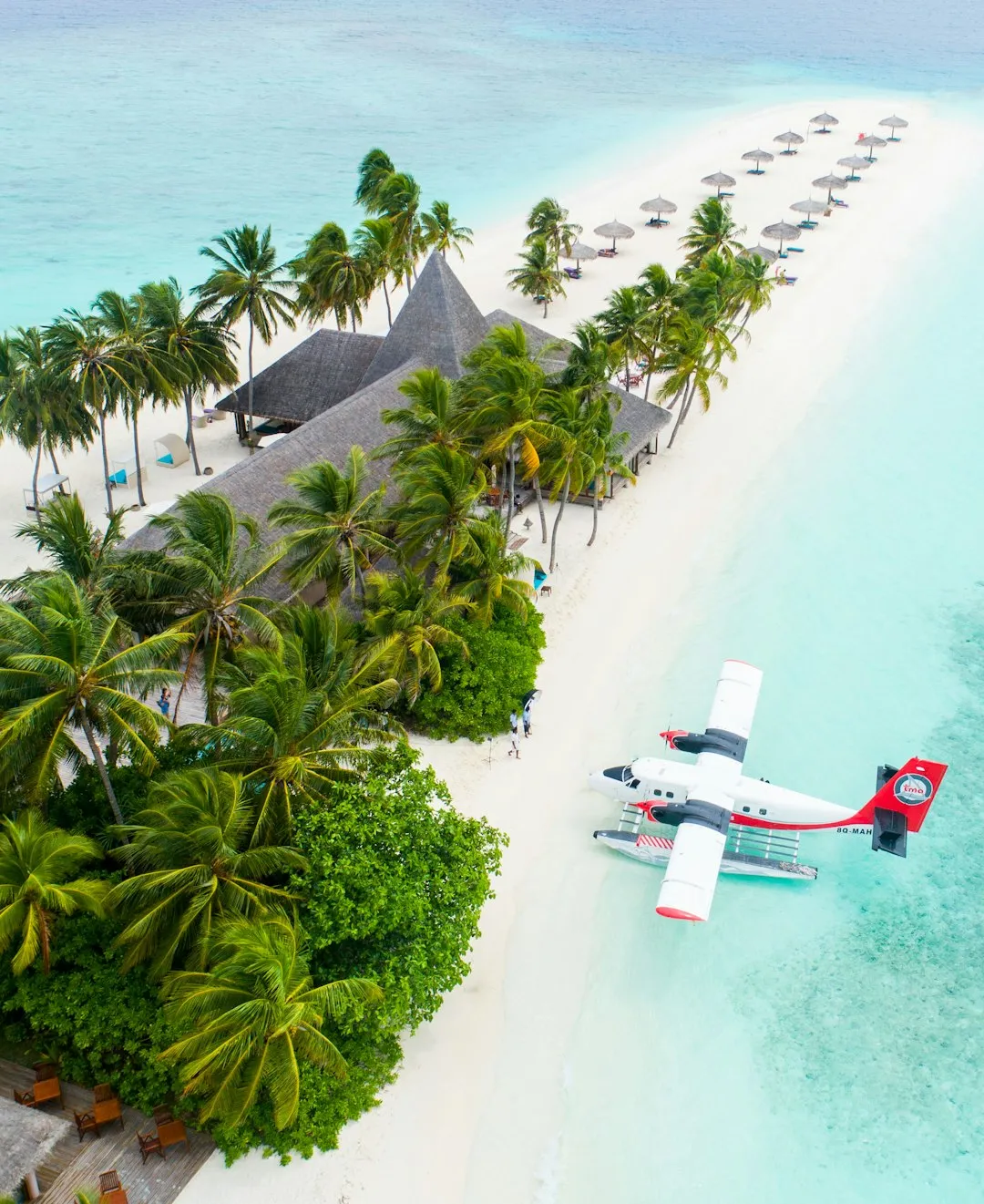
Anything past about 70 km from Male needs a seaplane, or a domestic flight plus a speedboat. Most lists of the best resorts in Maldives are dominated by these atolls, with reason: clearer water, healthier reefs, empty horizons. Baa Atoll holds the UNESCO biosphere reserve and Hanifaru Bay, where manta rays gather roughly Jun to Nov. Ari Atoll is the dependable place for whale sharks.
Suits: honeymooners, repeat visitors, divers and serious snorkellers, anyone staying five nights or more.
The trade-off is the transfer. A return seaplane runs roughly Rs 25,000 to 40,000 per person (approximate, resort specific), and seaplanes fly only in daylight, so a late Male arrival means a paid airport hotel night before you reach the island. On a three night trip you lose most of two days to travel. Blunt rule: under four nights, do not book a far atoll.
Local islands: Maafushi, Thulusdhoo, Dhigurah, Fulidhoo
Since 2009 Maldivians have been allowed to run guesthouses on inhabited islands, and this is still the part of the country most Indian travellers never consider. You stay in a village, eat where locals eat, and take boats to sandbanks and reefs for a fraction of resort prices.
Suits: budget and solo travellers, groups of friends, anyone who finds a private island claustrophobic by day three.
Here is what most guides get wrong. They send everyone to Maafushi because it is closest and cheapest. Maafushi is now crowded and heavily built up, and its bikini beach (the fenced strip where swimwear is permitted) is small and busy. Thulusdhoo has surf and space, Dhigurah has a long sandbank plus whale shark access, Fulidhoo is the quiet one. Skip Maafushi unless the lowest price is the only thing that matters.
The trade-off: these are Muslim communities. No alcohol on the island, modest dress outside the designated beach, no spa or infinity pool. Vegetarian food is easy in one sense, since rice, dhal, roshi and vegetable curries are everywhere, but variety is limited. If you are strictly Jain or need no onion and no garlic, message the guesthouse before booking.
Male and Hulhumale: a transit stop, not a stay
Hulhumale is the reclaimed island beside the airport with a strip of budget hotels. Book a night here only if your seaplane leaves next morning or your flight home leaves at dawn. Male city has a fish market, a few mosques and dense traffic: half a day of curiosity, not a night of your holiday.
Ask our Maldives team to pick your island on WhatsApp
Tell us where and when - a specialist replies with a plan and a price, usually within two hours.
The split stay that solves it for most people
The structure we book most often for Indian couples and families, and it beats either extreme:
- Nights 1 to 3 on a local island (Dhigurah, Thulusdhoo or Fulidhoo): guesthouse room, snorkelling trips, sandbank picnics, local food.
- Nights 4 to 6 at a resort: a near airport property if you want the transfer short, a far atoll if your dates allow.
You get the water, the excursions and the resort, and your average nightly cost drops hard. A seven night trip built this way often lands near what four nights at one mid-tier resort would cost.
Nightlife: be honest with yourself
There is essentially none. A resort has a bar, sometimes a DJ two evenings a week, and that is the ceiling. Local islands are dry, and Male has no bar scene. If nightlife matters to your group, the Maldives is the wrong country and Phuket is the right one. What you get instead is night fishing, plankton glow in season, and stars with no light pollution.
Rough nightly price bands in rupees
All approximate, per room per night, and they swing by season. Dec to Jan is peak, May to Sep is cheapest and wetter.
- Local island guesthouse: Rs 3,500 to 9,000, usually with breakfast
- Hulhumale transit hotel: Rs 4,000 to 8,000
- Near airport four star resort, beach villa, half board: Rs 20,000 to 40,000
- Mid-tier far atoll resort, water villa, half board: Rs 45,000 to 85,000
- Premium and luxury resorts: Rs 1,20,000 upwards, with no real ceiling
Transfers are extra: speedboat roughly Rs 8,000 to 15,000 per person return, seaplane Rs 25,000 to 40,000. Return flights from Indian metros run about Rs 18,000 to 40,000, with Kochi, Bengaluru and Chennai cheaper and shorter than Delhi.
Know before you go
- Indian passport holders get a free visa on arrival, normally 30 days, on production of a confirmed booking, an onward ticket and proof of funds. Rules and fees do change, so confirm on the official Maldives Immigration portal before you fly. Keep six months of passport validity.
- Book transfers through the resort. Seaplane seats are allotted resort by resort and going independent rarely saves anything.
- Most resorts run an Indian or South Asian chef and handle vegetarian and Jain requests well. Flag it at booking, not at the buffet.
- Half board plus two drinks a day often costs more than all-inclusive. Price both plans.
- Carry reef-safe sunscreen, and cards rather than cash. You barely need rufiyaa outside local islands.
If you want a shortlist matched to your dates, budget and tolerance for transfer time, our team plans this trip every week.
Related Maldives Travel Guides
Planning a trip to Maldives? Check out our tested guides for real Indian traveler budgets, day-by-day itineraries, and insider tips:
- Complete Planning Guide: Maldives Trip from India: The Complete Planning Guide
- Trip Budget & Resort Costs: Maldives Trip Cost from India: A Real Budget Breakdown
- 5-Day Itinerary: Maldives in 5 Days: A Relaxed First Trip Itinerary
- Top Activities & Water Sports: Things to Do in Maldives: The Definitive List
Questions people ask
What is the difference between staying on a private resort island and a local island?
A private resort occupies its own entire island with complete privacy, alcohol licences, overwater villas, and luxury spas. A local island (like Maafushi or Dhigurah) is an inhabited village with budget guesthouses, local cafes, and public streets; alcohol is banned, and bikinis are restricted to designated tourist bikini beaches.
Is it better to choose a speedboat resort or a seaplane resort?
Choose a speedboat resort (North/South Male Atoll) if you have late-night flight arrivals, travelling with young toddlers, or want to save $800–$1,300 per couple on transfers. Choose a seaplane resort (Baa, Raa, Noonu, Ari Atolls) for secluded lagoons, pristine house reefs, and the bucket-list aerial flight experience.
Which atoll has the best house reef and marine life in the Maldives?
Baa Atoll (UNESCO Biosphere Reserve, Hanifaru Bay), South Ari Atoll (year-round whale sharks), and North Ari Atoll (hammerhead sharks and manta points) are world-famous for exceptional marine biodiversity.
Is an overwater villa worth the extra money over a beach villa?
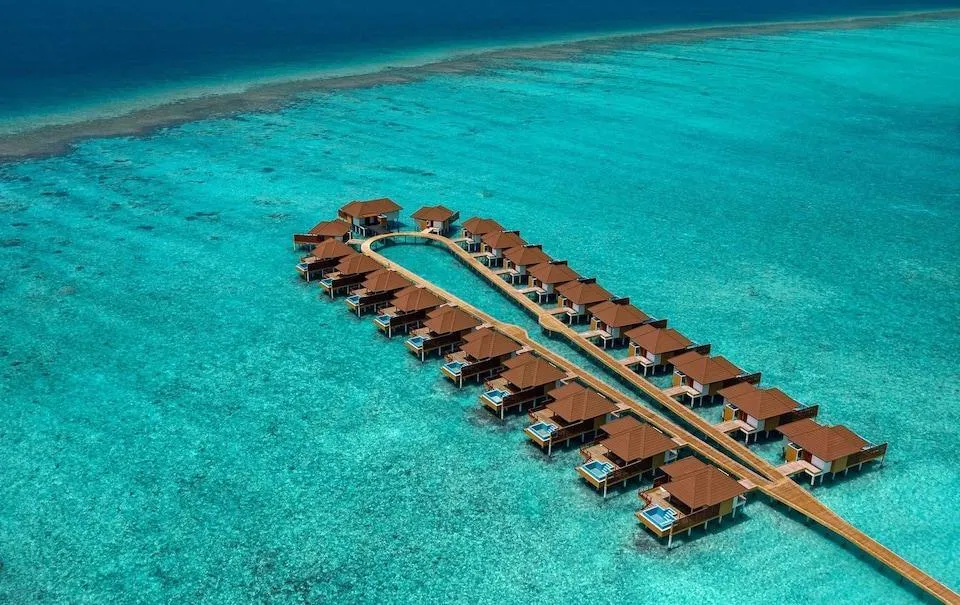
An overwater villa offers direct ladder access into the turquoise lagoon, unmatched sunset views, and iconic photos. Many travellers book a "split stay" (e.g. 2 nights in a Beach Villa + 2 nights in an Overwater Villa) to experience both while saving Rs 40,000 to Rs 80,000.
What are the best local islands for Indian couples and families on a budget?
Maafushi (best infrastructure, wide variety of Indian food, cheap watersports), Dhigurah (4 km sandbar, whale shark snorkelling), and Ukulhas (cleanest local island with a house reef steps from the beach).
Can you stay in Male or Hulhumale for an entire holiday?
Staying in Male or Hulhumale for a full vacation is not recommended. They are dense urban commercial islands with no resort feel. They are best used only for a 1-night transit stay if landing after 4:00 PM when seaplanes no longer fly.
Are all-inclusive resorts in the Maldives truly all-inclusive?
Read the inclusion list carefully. Basic all-inclusive packages cover buffet meals, house wines/beers, and select non-motorized watersports (kayaks, paddleboards). Premium spirits, motorized water sports, à la carte specialty dining, and spa treatments often incur extra charges unless specified as "Premium All-Inclusive".
Which resorts are best for families with kids in the Maldives?
Look for resorts with dedicated kids' clubs, shallow calm lagoons, doctor-on-call clinics, and short speedboat transfers, such as Kurumba Maldives, Bandos, Centara Grand, or Atmosphere Kanifushi.
Written by
Ananya Iyer
Maldives & Indian Ocean Specialist. Ananya plans beach and island holidays across the Maldives and Mauritius for Indian travellers, and spends most of her research time on resort selection, transfers and meal plans.
All guides by Ananya →02More from Maldives
- 01Maldives All-Inclusive Packages from India: What a Couple Really Pays11 min
- 02Maldives Package for a Family of 4 from India: Cost and Resorts11 min
- 03Maldives Hidden Costs 2026: Green Tax, 17% TGST and What's Included10 min
- 04Maldives New Year Packages 2026: Price, Gala Dinners, Minimum Stays10 min
- 05Maldives Resorts Near Male Airport: 10 Speedboat Picks for 202610 min
- 06Siyam World Maldives Review: Who It Suits and What 4 Nights Cost11 min
03Popular packages
All 65 →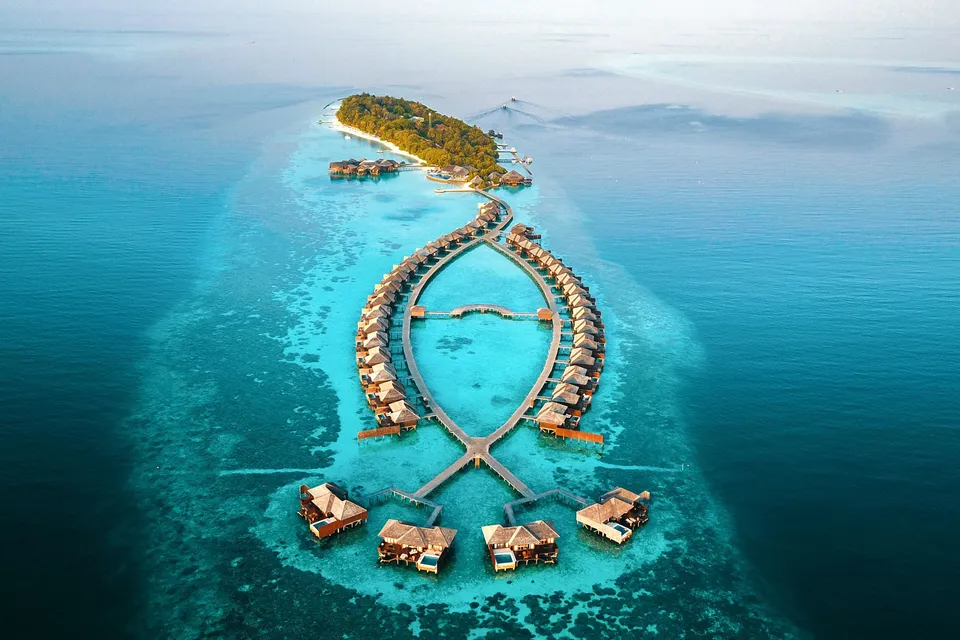
04Nearby destinations
05You might also like
destination guides6 min read
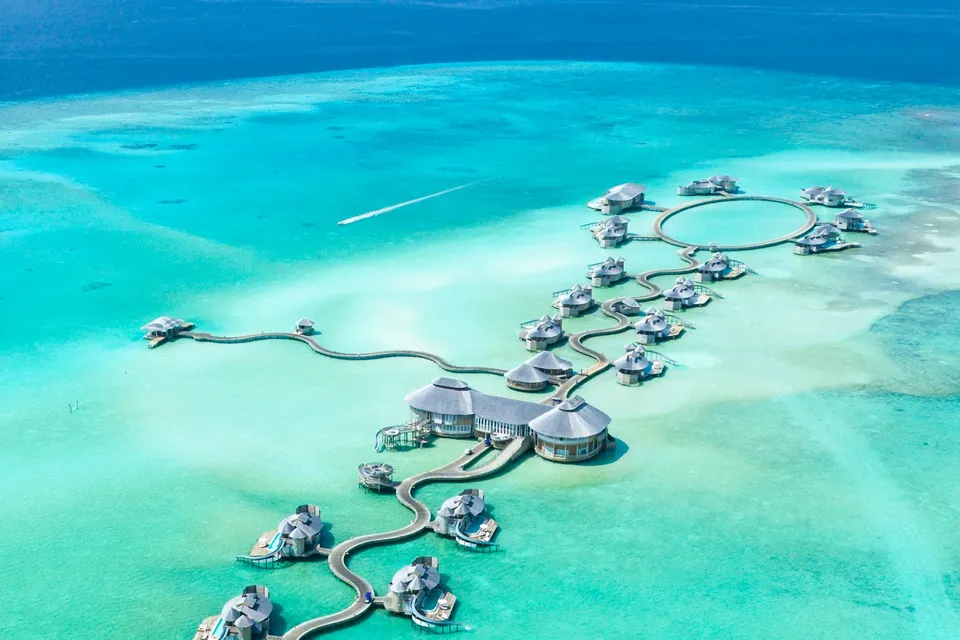
Maldives Trip from India: The Complete Planning Guide
How to plan a Maldives trip from India: how many days, rough rupee budgets, visa in one line, when to go, where to stay, and the booking order that saves money.
Ananya Iyer
visa documents6 min read
Maldives Visa for Indians: Rules, Fees and How to Apply
Indians get a free 30 day visa on arrival in the Maldives. Here is the one form you must file, the documents to carry and the fees to budget for.
Ananya Iyer
Planning a Maldives trip?
Tell us where and when - a specialist replies with a plan and a price, usually within two hours.